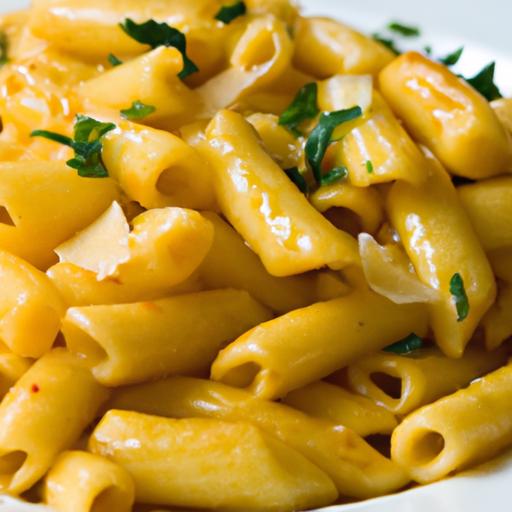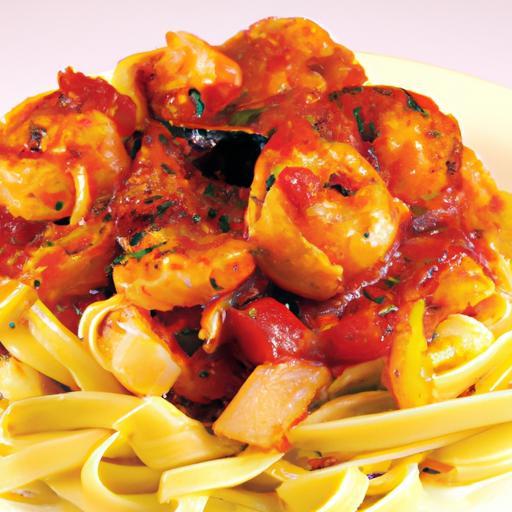

There’s something utterly comforting about a warm plate of pasta-its tender strands and savory sauce like a hug on a fork. But then comes the moment of truth: reheating those leftovers. Suddenly, that once-perfect pasta transforms into a glossy, greasy mess that leaves you reaching for the napkins. Why does reheated pasta turn oily, and how can you reclaim its original charm without the unwanted slick? In this article, we’ll unravel the mystery behind reheated pasta’s greasy makeover and share smart, simple tips to fix the grease, so your second helping is just as satisfying as the first.
Why is my reheated pasta oily? This common question crops up every time leftover pasta transforms into an unexpectedly greasy meal. The culprit often lies in the complex relationship between starches, residual oils, and reheating methods that can turn your once-perfect pasta into an unappetizing oily mess. Understanding this science unlocks the secrets to reviving those leftovers with freshness and balance.
Prep and Cook Time
Prep: 10 minutes | Cook/Reheat: 10 minutes
Yield
Serves 4 comfortably
Difficulty Level
Easy – perfect for cooks of all levels
Ingredients
- 400g cooked pasta (spaghetti or penne recommended, preferably al dente)
- 1 tablespoon olive oil (extra virgin or light depending on preference)
- 2 cloves garlic, minced
- 2 tablespoons water or low-sodium broth
- Salt to taste
- Freshly ground black pepper
- Fresh herbs (basil, parsley) for garnish
- Optional: Grated Parmesan cheese
Instructions
- Heat a non-stick skillet over medium heat and add the olive oil along with the minced garlic. Sauté until golden brown, about 1-2 minutes, stirring frequently to prevent burning and bitterness.
- Add the cold leftover pasta directly into the skillet. Spread it evenly and allow it to warm undisturbed for about 1-2 minutes to encourage slight caramelization and prevent mushiness.
- Pour in 2 tablespoons of water or broth. This step introduces moisture that reduces sticky starch buildup and prevents the pasta from absorbing more oil excessively.
- Toss the pasta gently to combine the liquid and oil. Continue to heat for another 2-3 minutes, allowing steam to rehydrate the noodles uniformly without scorching.
- Season with salt and pepper to your preference and stir through fresh herbs near the end for vibrant flavor.
- Serve immediately while the pasta is warm but not oily – the water trick balances moisture and fat beautifully.
Tips for Success
- Common mistakes causing oiliness: Reheating pasta with leftover oily sauce or microwaving without added moisture often concentrates grease. Avoid reusing the same pan oils repeatedly to cut down excess fat.
- Use a wide pan: This allows for even reheating and evaporation of excess oils rather than trapping grease.
- Smart Ingredients: Incorporating a splash of broth or water lightens the texture. Fresh herbs not only elevate flavor but add visual appeal, combating the “heavy” perception.
- Tools matter: Non-stick or cast iron pans help heat pasta evenly without sticking or requiring extra oil.
- For microwave reheating: Place a damp paper towel over the bowl and add a teaspoon of water before heating in short bursts to keep moisture balanced.
Serving Suggestions
Plate the reheated pasta garnished with finely chopped parsley or basil for a fresh touch. Offer a sprinkle of grated Parmesan cheese or red pepper flakes for a flavorful contrast. Pair with a crisp green salad or garlic bread for a comforting yet elevated meal.
| Nutrient | Per Serving |
|---|---|
| Calories | 320 kcal |
| Protein | 12 g |
| Carbohydrates | 45 g |
| Fat | 8 g |
For a deeper dive into pasta perfection beyond reheating, check out our detailed guide on Ultimate Pasta Cooking Tips. Also, authoritative food science insights at Serious Eats offer excellent context on starch behavior and reheating techniques.

Q&A
Q&A: Why Is My Reheated Pasta Oily? Tips to Fix the Grease
Q1: Why does my pasta turn oily when I reheat it?
A1: When pasta sits in the fridge, the sauce and oils separate. Upon reheating, this separation becomes more obvious because the oil melts and floats to the surface. Additionally, if the original dish had a generous amount of oil or butter, reheating can amplify that oily sheen, making your pasta look greasy rather than saucy.
Q2: Is reheated pasta supposed to be oily?
A2: Not necessarily! A little shine is normal, but excessive oiliness often means the fats have separated from the sauce. This usually happens when the dish has a high oil content or when reheated too quickly or unevenly.
Q3: Does the type of sauce affect oiliness after reheating?
A3: Absolutely. Oil-based sauces like aglio e olio or pesto tend to separate more easily upon reheating, leaving an oily layer on top. Creamy or tomato-based sauces generally hold together better but can still become greasy if too much oil was added initially.
Q4: How can I fix oily reheated pasta?
A4: Try these tips:
- Reheat gently on low heat, stirring often to emulsify the sauce back together.
- Add a splash of water, broth, or tomato sauce to help rebind the ingredients.
- Toss the pasta with fresh herbs or a squeeze of lemon to cut through the grease.
- Drain off excess oil carefully with a spoon before serving.
Q5: Can I prevent reheated pasta from getting oily?
A5: Prevention is key! When cooking pasta, use oil moderately. Store pasta and sauce separately if possible. When reheating, avoid high heat and rapid microwaving without stirring. Slow, gentle warming helps maintain that perfect texture and flavor without oily aftermath.
Q6: Does the pasta shape affect how oily it gets when reheated?
A6: Indirectly, yes. Pasta with lots of nooks like rotini or rigatoni can trap oil and sauce, sometimes making it feel richer and oilier on reheating. Smoother shapes like spaghetti might show less separated oil but can still get greasy if the sauce is heavy.
Q7: Any quick hacks if I’m in a rush and my reheated pasta is too oily?
A7: Dab the top with a paper towel to soak up surface oil, then toss with a little grated Parmesan or a handful of fresh spinach-both absorb and balance excess oil beautifully without extra cooking time.
With these insights and tips, you’ll reclaim your reheated pasta from oily disaster to delicious delight!
To Conclude
Reheated pasta turning oily can be a greasy surprise, but armed with the right know-how, it’s easy to keep your leftovers fresh and flavorful without the unwanted slick. By understanding why the oil separates and learning a few smart reheating tricks, you can enjoy your pasta just as much the second time around-minus the grease puddles. So next time you dig into your leftover spaghetti or fettuccine, remember: a little technique goes a long way toward transforming oily reheats into perfectly balanced plates. Happy cooking, and may your pasta always stay smooth and satisfying!