
In the world of culinary delights, the secret to unforgettable meals often lies not in the price tag, but in the art of transformation. Unlocking tenderness from cheap cuts of meat is a journey of patience, creativity, and simple techniques that elevate humble ingredients into dishes bursting with flavor and succulence. Whether you’re a seasoned chef or a home cook seeking budget-friendly mastery, this guide will reveal the magic behind turning every tough slice into a melt-in-your-mouth masterpiece. Prepare to rethink your approach to cooking and discover how simplicity can unlock extraordinary taste.
Unlock tenderness with the art of transforming humble, tough cuts into melt-in-your-mouth masterpieces. Drawing on traditional wisdom and modern culinary science, this approach unlocks flavors and textures hidden deep within connective tissues. Whether you’re working with a rugged brisket, chuck roast, or skirt steak, mastering marinades, brines, and slow cooking will elevate every affordable bite to gourmet status. Let this guide inspire you to embrace the potential of economical cuts and craft dishes rich in both flavor and soul.
Prep and Cook Time
Preparation: 20 minutes (plus marinating time)
Cooking: 4 to 6 hours (depending on method)
Yield
Serves 6 hearty portions
Difficulty Level
Medium – Requires patience but minimal hands-on time
Ingredients
- 3 lbs beef chuck roast, trimmed and cut into large pieces
- 1/2 cup kosher salt
- 1/4 cup brown sugar
- 4 cups cold water (for brine)
- 6 cloves garlic, smashed
- 2 sprigs fresh rosemary
- 1 tbsp black peppercorns, crushed
- 1 tbsp smoked paprika
- 1 tbsp Dijon mustard
- 1/4 cup olive oil
- 2 medium onions, sliced
- 2 cups beef broth or stock
- 1 cup dry red wine (optional but recommended)
- Fresh parsley for garnish
Instructions
- Prepare the brine: In a large bowl, dissolve kosher salt and brown sugar in cold water. Add garlic, rosemary, and black peppercorns. Submerge the beef chuck in the brine, cover, and refrigerate for 8-12 hours to enhance moisture retention and seasoning depth.
- Remove and dry: After brining, rinse the beef pieces under cold water and pat dry thoroughly with paper towels. Dry meat sears better, producing richer flavor.
- Make the marinade: In a small bowl, mix smoked paprika, Dijon mustard, and olive oil to form a thick paste. Rub this evenly over the beef, coating every crevice to infuse smoky warmth and complexity.
- Sear the beef: Heat a heavy skillet or Dutch oven over medium-high heat. Add a splash of oil and sear the beef pieces on all sides until a deep golden crust forms, 3 to 4 minutes per side. This caramelization builds layers of savory flavor.
- Layer aromatics: Remove beef and set aside. In the same pot, sauté onions until translucent and starting to caramelize, about 7 minutes. This step unlocks natural sweetness that balances the rich meat.
- Deglaze and assemble: Pour in red wine (if using) and beef broth, scraping the bottom to lift all browned bits. Return the beef to the pot. Cover tightly with a lid.
- Slow cook low and slow: Transfer to a preheated oven at 275°F (135°C) or set slow cooker on low. Cook for 4 to 6 hours until the connective tissue breaks down and beef is tender enough to pull apart effortlessly.
- Finish and rest: Remove beef and let it rest 10 minutes before shredding or slicing. Reduce cooking juices on high heat if desired to thicken into a luscious gravy.
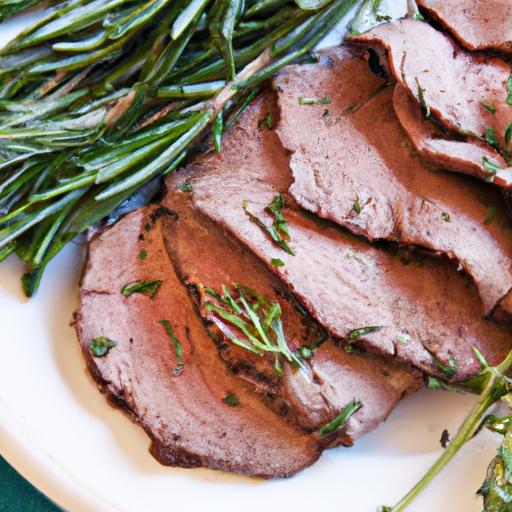
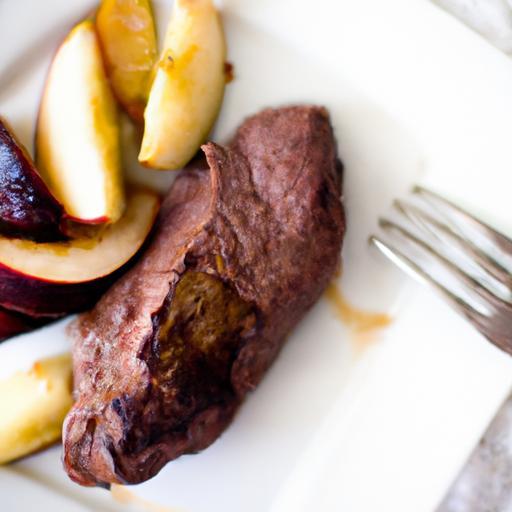
- Serve: Plate with creamy mashed potatoes, roasted root vegetables, or crusty bread to soak up every savory drop. Garnish with freshly chopped parsley for a vibrant contrast.
Tips for Success
- For added tenderness, use a meat mallet to gently pound thicker sections before marinating.
- Don’t skip the brine-this step dramatically increases juiciness and seasoning penetration in tougher beef cuts.
- If short on time, pressure cooking reduces cooking to under an hour but still yields tender results.
- Experiment with wine substitutes like balsamic vinegar or brewed tea for different flavor profiles.
- Make this dish ahead: it tastes even better the next day as flavors meld beautifully overnight.
Serving Suggestions
Present this dish family-style in a rustic ceramic dish surrounded by colorful roasted vegetables. Drizzle the rich pan gravy liberally and sprinkle freshly chopped parsley or thyme leaves for a burst of color and freshness. Complement with a crisp green salad tossed in lemon vinaigrette to balance the depth of the slow-cooked beef.
| Nutrient | Amount per Serving |
|---|---|
| Calories | 450 kcal |
| Protein | 38 g |
| Carbohydrates | 12 g |
| Fat | 28 g |

Unlock tenderness in affordable cuts with techniques that turn every meal into an indulgence. For more tips on maximizing flavor from budget-friendly beef, check out our guide to slow cooking beef cuts. To deepen your understanding of the effects of brining on meat texture, visit this detailed resource from Serious Eats.
Q&A
Q&A: Unlock Tenderness – Mastering Cheap Cuts with Simple Cooking
Q1: Why should I bother cooking with cheap cuts of meat? Aren’t they tough and flavorless?
A1: Cheap cuts often get a bad rap for being tough, but they’re actually flavor-packed gems waiting to be transformed. Their richness comes from connective tissue and muscle fibers that, when cooked right, melt into mouthwatering tenderness. Plus, they’re wallet-friendly and perfect for creative, hearty meals.
Q2: What’s the secret to turning tough, cheap cuts into tender, juicy dishes?
A2: Patience and gentle heat are your best friends. Low-and-slow cooking methods like braising, stewing, or slow roasting break down collagen into gelatin, unlocking tenderness and deep flavors. Simple touches like marinating, seasoning, and using acidic ingredients (think vinegar or citrus) can also soften meat fibers.
Q3: Can I use everyday kitchen tools to master these cheap cuts, or do I need specialized equipment?
A3: The beauty lies in simplicity! A sturdy pot or Dutch oven, a slow cooker, or even a covered pan on the stovetop will do just fine. No fancy gadgets required-just a little time, a pinch of love, and an adventurous spirit.
Q4: Which cheap cuts are best for beginners looking to try this at home?
A4: Start with chuck roast, pork shoulder, brisket, or beef shank. These cuts shine with slow cooking and give you plenty of forgiving room for experimentation. Once you get comfortable, you’ll find there’s a whole world of affordable, flavorful meat to explore.
Q5: Are there any quick tips to enhance flavor when cooking cheap cuts?
A5: Absolutely! Searing meat before slow cooking locks in juices and adds a golden crust of flavor. Don’t shy away from aromatics like garlic, onions, herbs, and spices-they work magic in building complexity. And remember to taste and adjust seasoning throughout the cooking process.
Q6: Can these techniques be applied to other proteins, like poultry or lamb?
A6: Definitely! Tougher parts of chicken (thighs and legs) and lamb shoulder respond beautifully to slow cooking. The principles remain the same: low heat, moisture, and time. You’ll unlock tenderness while creating comforting, succulent dishes.
Q7: How does mastering cheap cuts benefit my cooking skills overall?
A7: Learning to transform humble ingredients teaches patience, technique, and flavor layering-skills that enrich every recipe you tackle. It’s a rewarding gateway to home-cooked satisfaction and savvy kitchen confidence.
Unlock your kitchen’s potential by embracing cheap cuts. With simple methods and a little know-how, you’ll craft dishes bursting with tenderness and character-proving that great cooking doesn’t have to cost a fortune.
Final Thoughts
As you close the chapter on mastering cheap cuts, remember that tenderness isn’t reserved for the pricey or the pristine-it’s a promise waiting in every humble hunk of meat. With patience, simple techniques, and a touch of culinary curiosity, you can transform budget-friendly cuts into mouthwatering masterpieces. Unlocking tenderness is less about splurging and more about savoring the process, proving that great flavor and juicy satisfaction are achievable for every kitchen, every wallet, every meal. So next time you face a bargain cut, embrace it with confidence-you hold the key to delicious possibilities.