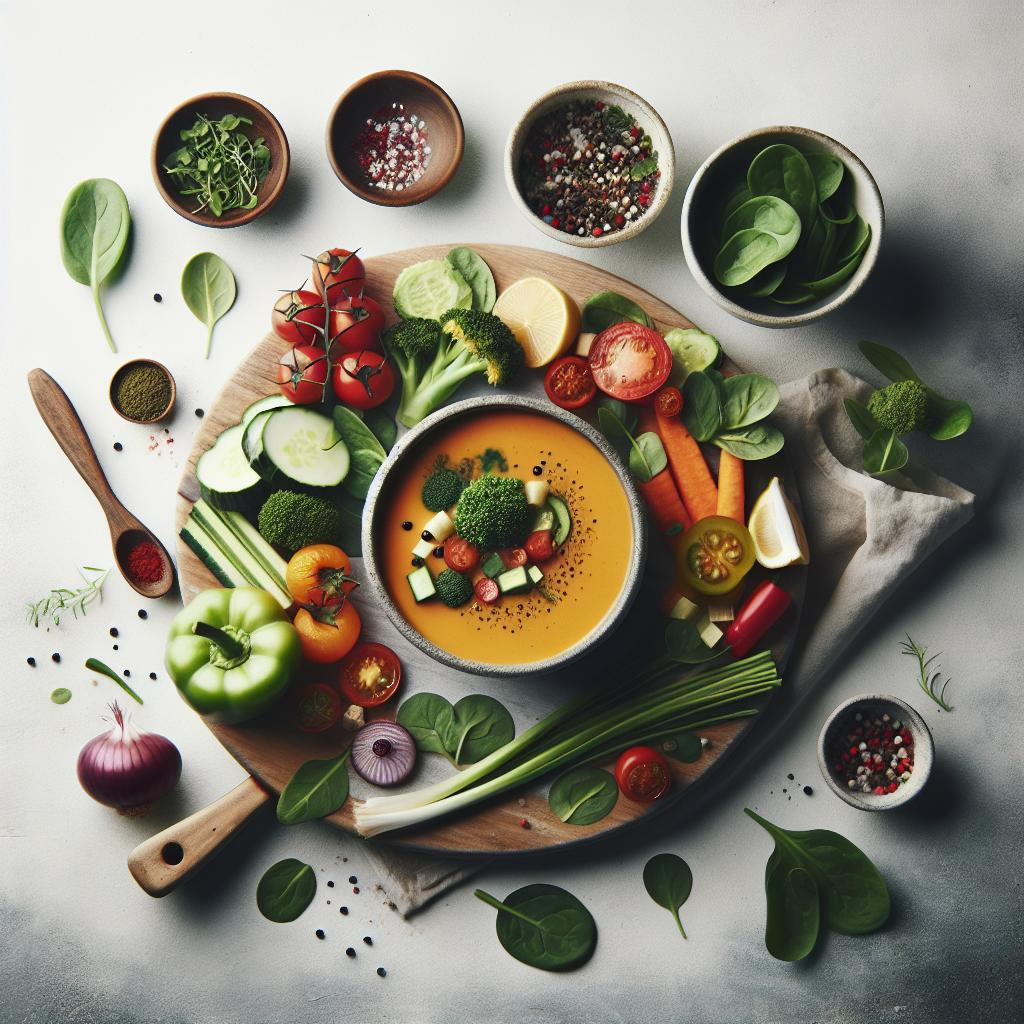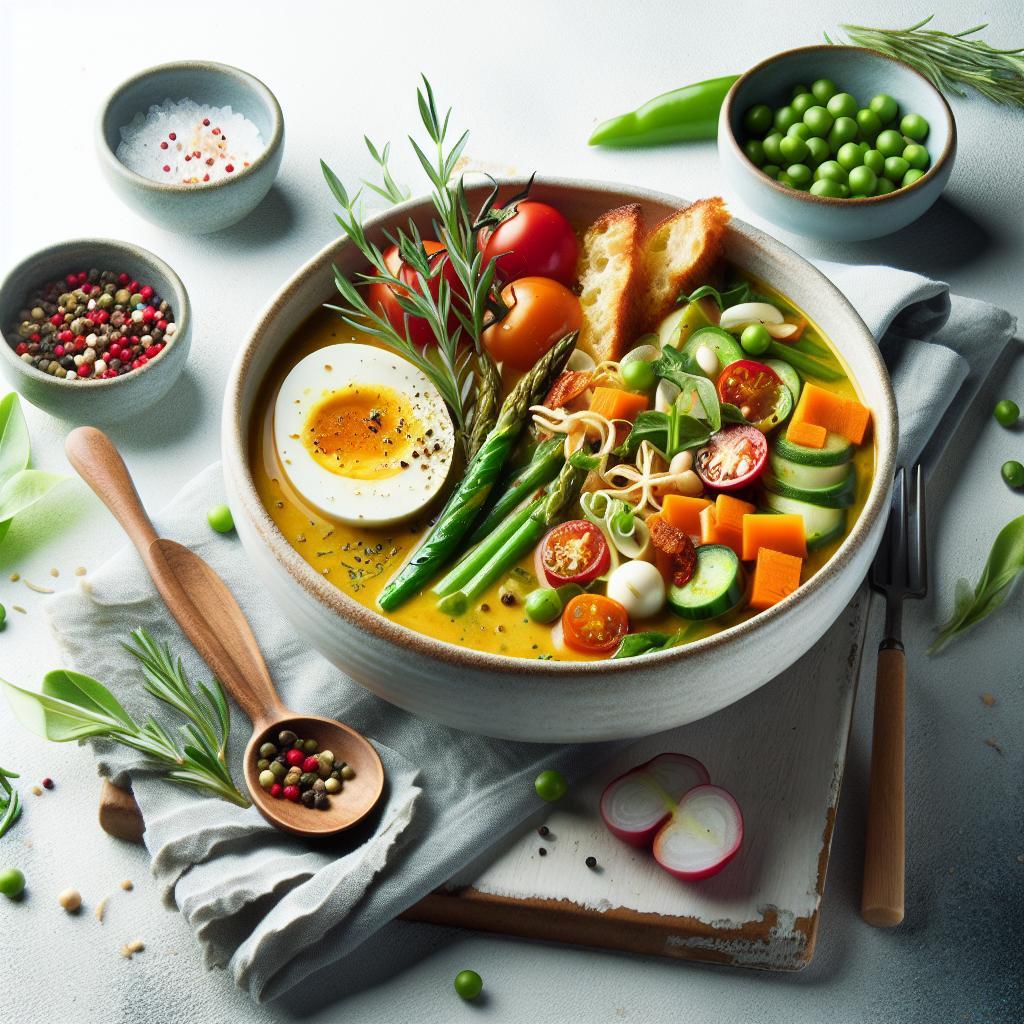

There’s something undeniably comforting about a bowl of soup-warm, flavorful, and nourishing. But for many of us, the magic sometimes fades after reheating, when textures turn mushy and flavors fall flat. Enter the art of soup savvy: mastering not just the initial creation but the careful crafting of recipes designed to taste just as vibrant and fresh on day two, three, or even later. In this guide, we’ll dive into the science and secrets behind soups that withstand the test of time and temperature, transforming leftovers into culinary delights that reheat to perfection every single time. Whether you’re meal prepping for the week or simply savoring a second helping, get ready to rethink your approach to soup-and become a reheating virtuoso.
Understanding the Science Behind Soup Texture and Flavor Preservation
Soup Savvy is key when crafting recipes that reheat to perfection, capturing the essence of fresh-made broth and maintaining velvety textures every time. At the heart of preserving flavor and texture lies the balance of ingredients and cooking techniques that ensure your soup doesn’t turn watery or lose depth after reheating. Proteins and starches gelatinize and thicken over time; meanwhile, aromatic compounds either intensify or fade depending on storage methods. Balancing these elements ensures your soup stays luscious, robust, and just as inviting as the moment it was first ladled.
Selecting Ingredients That Thrive Through Reheating
Not all ingredients respond equally well to reheating. For resilience in flavor and texture, focus on hearty vegetables like carrots, potatoes, and squash that soften but don’t disintegrate. Root vegetables provide natural sweetness and body, while legumes such as lentils and beans absorb seasoning and remain firm. Avoid delicate or watery greens like spinach or lettuce, which can become slimy or lose color upon reheating. Meats with some fat content, such as chicken thighs or brisket, stay tender and juicy, whereas lean cuts risk drying out. Incorporating slow-releasing starches, like barley or pearl couscous, gives structure without over-thickening during heating cycles.
Techniques for Cooling and Storing Soup to Maintain Freshness
Proper cooling and storage dramatically impact your soup’s ability to shine when reheated. To chill soup quickly and safely, divide into shallow containers no more than 2 inches deep; this encourages rapid cooling and reduces bacterial growth. Let the soup cool uncovered at room temperature for no longer than 30 minutes before sealing and refrigerating. Label each container with the date to keep track of freshness. For extended preservation, freezing in airtight containers or vacuum-sealed bags maintains flavor integrity and texture-just avoid overfilling to accommodate expansion. When thawing frozen soup, plan ahead and thaw overnight in the refrigerator for even reheating.
Step by Step Guide to Reheating Soup for Optimal Taste and Consistency
- Slow and gentle heats win the day: Reheat your soup over low to medium heat on the stovetop, stirring occasionally to prevent sticking or scorching. Avoid high-heat blasts that can separate fats or cause uneven warming.
- Top up the broth if needed: If your soup appears thick or overly reduced after storage, add a splash of freshly made stock or water to restore balance without diluting taste.
- Fresh herbs last-minute: Add delicate herbs such as parsley, dill, or cilantro just before serving to maintain freshness, color, and aromatic vibrancy.
- Reheat only what you’ll serve: Minimize repetitive reheating by portioning food in single servings, preserving consistency and taste for every serving.
- Check seasoning after warming: Flavors intensify differently after reheating, so always taste and adjust salt, pepper, or acidity (like lemon juice or vinegar) just before plating.
Prep and Cook Time
- Preparation: 15 minutes
- Cook Time: 45 minutes
- Total Time: 1 hour
Yield
Serves 6 hearty bowls
Difficulty Level
Easy to Medium – perfect for everyday meal prep or special occasions where leftovers shine just as brightly.
Ingredients
- 2 tablespoons olive oil
- 1 large onion, diced
- 3 cloves garlic, minced
- 3 medium carrots, peeled and chopped
- 2 celery stalks, diced
- 3 medium potatoes, peeled and cubed
- 1 cup pearl barley or lentils, rinsed
- 6 cups low-sodium vegetable or chicken broth
- 2 cups cooked shredded chicken thigh (optional)
- 1 teaspoon dried thyme
- 1 bay leaf
- Salt and freshly ground black pepper, to taste
- 1/4 cup chopped fresh parsley (reserved for garnish)
Instructions
- Heat the olive oil in a large stockpot over medium heat. Add diced onion and sauté until translucent, about 5 minutes, stirring occasionally to prevent sticking.
- Add garlic, carrots, and celery, continuing to cook for an additional 5 minutes until softened and aromatic.
- Stir in potatoes and pearl barley or lentils, coating them in the vegetable mixture for 2 minutes.
- Pour in the broth, add thyme and bay leaf. Bring to a gentle boil, then reduce heat to low and simmer uncovered for about 30-35 minutes, or until barley and potatoes are tender.
- If using cooked chicken, stir it in during the last 5 minutes of simmering to warm through without drying out.
- Remove bay leaf, season soup with salt and pepper to taste, then remove pot from heat.
- Allow soup to cool slightly, then transfer to shallow containers for rapid cooling before refrigeration or freezing, following the tips above.
- When ready to serve, gently reheat on low heat, stirring occasionally. Adjust broth consistency or seasoning as needed and sprinkle freshly chopped parsley before ladling into bowls.
Chef’s Notes: Tips for Success
- Swap pearl barley for brown rice or quinoa as gluten-free options that hold up well during reheating.
- Use homemade broth for richer flavor depth, but quality store-bought broth works beautifully for convenience.
- To keep meat tender, add it only in the last phase of cooking or after fully cooking the soup base.
- Freeze soup in individual portions in freezer-safe jars or bags to make single-serve reheating hassle-free.
- If your soup thickens too much after refrigeration, always restore texture with a splash of broth or water before warming.
Serving Suggestions
Serve your soup in rustic ceramic bowls for warmth and charm. Garnish with a drizzle of good-quality olive oil and a sprinkle of freshly cracked black pepper. Accompany with crusty artisan bread or garlic toast for dipping. For an indulgent twist, add a dollop of crème fraîche or a sprinkle of grated Parmesan cheese. Pair with a crisp side salad for a balanced, vibrant meal.

| Nutrient | Amount per Serving |
|---|---|
| Calories | 280 kcal |
| Protein | 18 g |
| Carbohydrates | 30 g |
| Fat | 7 g |
Explore more techniques on meal prep and flavor preservation in our Mastering Meal Prep guide. For scientific insights on reheating safety, visit the USDA Food Safety Information.
Q&A
Q&A: Soup Savvy – Crafting Recipes That Reheat to Perfection
Q1: Why does some soup taste amazing fresh but lose its charm when reheated?
A1: Great question! Soup is a delicate dance of flavors and textures. Freshly made soup benefits from harmonized aromas and lively ingredients, but when reheated, certain components-like herbs or dairy-can fade or separate. Starches may thicken unevenly, and proteins might toughen. Understanding how ingredients behave during reheating is key to keeping that first-batch magic alive.
Q2: Which soups are naturally better suited for reheating?
A2: Hearty, rustic soups with robust flavors tend to shine on their second round. Think lentil stew, chili, or tomato bisque. These soups often mellow and deepen in flavor over time. Broth-based soups with delicate vegetables or seafood, however, might lose their fresh snap and can become watery or overcooked upon reheating.
Q3: How can I tweak my soup recipe to make it “reheat-friendly”?
A3: Focus on layering your flavors thoughtfully. Add delicate herbs like parsley or basil fresh after reheating rather than during the initial cook. Consider using sturdier vegetables (carrots, potatoes) that hold shape well. Add dairy-cream, yogurt, or cheese-at the end to avoid curdling. If your soup has noodles or rice, cook them separately and add them only when serving to prevent mushiness.
Q4: What’s the best method to reheat soup without sacrificing texture?
A4: Gentle and gradual is the key. Reheat soup slowly over low heat on the stovetop, stirring occasionally to ensure even warming. Avoid the microwave for cream-based soups, or use medium power and short bursts to prevent breaking the texture. If your soup thickens too much, a splash of broth or water can help restore the perfect pour.
Q5: Can soup improve in flavor after resting overnight?
A5: Absolutely! Many soups embark on a flavor journey overnight. The ingredients have more time to meld, creating a richer, more harmonious taste profile. This “resting period” makes your soup a secret superstar for lunches or next-day dinners. Just keep it well-covered and refrigerated for safety and freshness.
Q6: Any pro tips for storage that keep soup tasting top-notch?
A6: Store soup in airtight containers to prevent moisture loss and absorption of fridge odors. Cool the soup slightly before sealing to avoid condensation buildup, which can dilute flavors. Portioning soup into meal-sized containers helps to reheat just what you need, preserving the rest for future enjoyment.
Q7: Can experimenting with spices help my reheated soup?
A7: Definitely! Since reheating can sometimes mute flavors, adding a pinch of fresh spices or a squeeze of acid like lemon juice or vinegar can brighten your soup just before serving. Experiment with warming spices like cumin, smoked paprika, or even a dash of chili flakes to revive and deepen the taste after reheating.
With these savvy soup secrets in your arsenal, your leftovers will taste as glorious as your fresh batch-if not better. Happy cooking and savoring!
Key Takeaways
As the steam rises and the aroma of a well-crafted soup fills your kitchen, remember that the true mark of a great recipe lies not just in the first serving but in every comforting spoonful that follows. Mastering the art of soups that reheat beautifully transforms mealtime into a seamless experience, where flavors deepen and textures remain inviting. With these savvy tips and thoughtful techniques, your soups will become timeless meals-ready to nourish and delight, day after day. So, stir, simmer, and store with confidence, and let your soup creations shine long beyond the initial ladle.