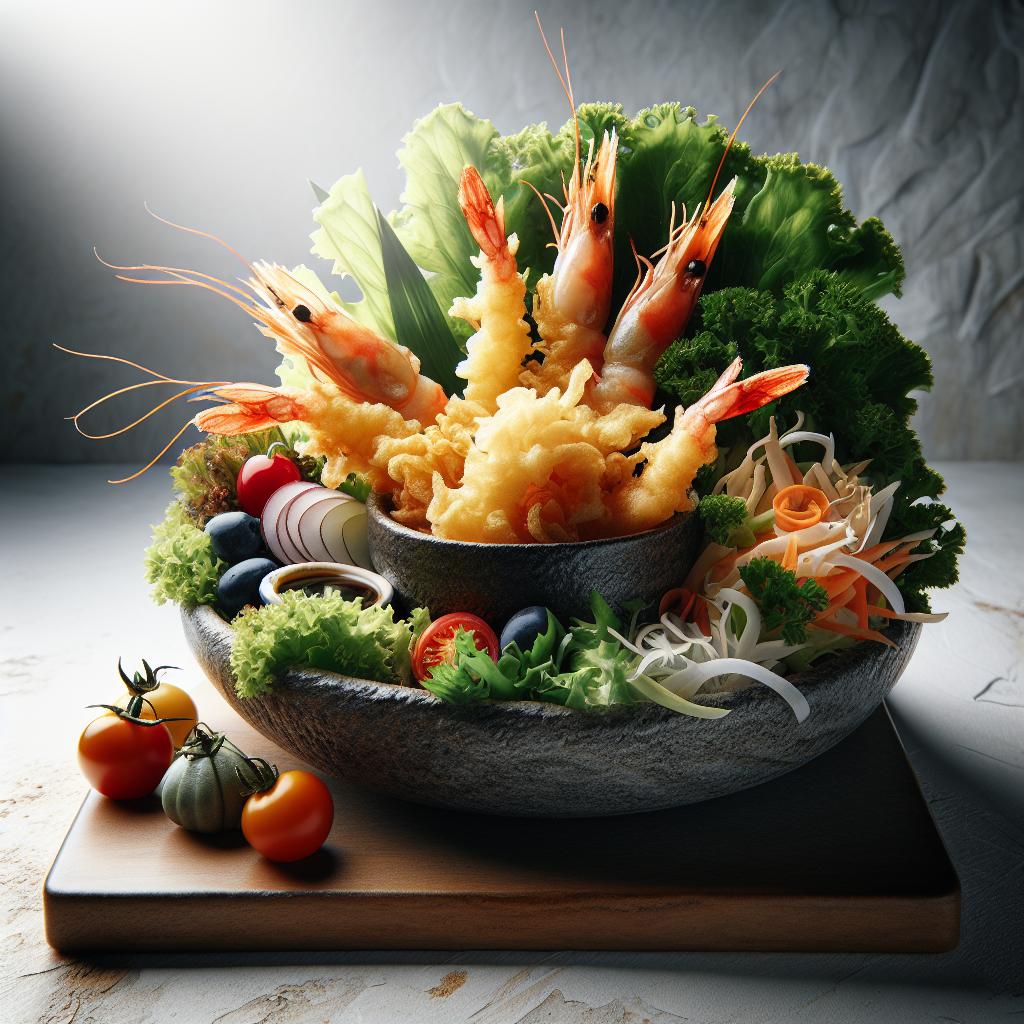
In the delicate dance of batter and brine, shrimp tempura emerges not just as a dish, but as a vibrant tapestry woven from history, culture, and culinary artistry. From its roots in the Edo period kitchens to the sizzling woks of contemporary restaurants, this iconic Japanese delicacy has captivated palates with its ethereal crispness and subtle flavors. “Shrimp Tempura: Crafting Crisp History and Flavorful Art” invites you on a journey-exploring the origins, techniques, and cultural significance behind every golden bite. Here, tradition meets innovation, inviting food lovers to savor a masterpiece where texture and taste converge in perfect harmony.
Shrimp Tempura: Crafting Crisp History and Flavorful Art
Shrimp Tempura, a celebrated jewel of Japanese cuisine, enchants food lovers with its ethereal crispness and delicate flavor. Tracing back to the 16th century when Portuguese missionaries introduced frying techniques to Japan, this dish evolved into a harmonious blend of East-West culinary art, perfecting textures while highlighting natural shrimp sweetness. My first encounter with shrimp tempura at a quaint Tokyo eatery was transformative-each bite a crisp melody that inspired me to unravel and share its secrets in this guide.
Prep and Cook Time
Preparation: 15 minutes | Cooking: 10 minutes | Total: 25 minutes
Yield
4 servings (8-12 shrimp)
Difficulty Level
Medium
Ingredients
- 12 large raw shrimp, peeled and deveined, tails intact
- 1 cup all-purpose flour, sifted, plus extra for dusting
- 1/2 cup cornstarch
- 1 large egg, chilled
- 1 cup ice-cold sparkling water
- Vegetable oil for deep frying (about 4 cups)
- 1/2 teaspoon baking powder
- 1 teaspoon sea salt
- Fresh lemon wedges, for serving
- Tempura dipping sauce (Tentsuyu) or soy sauce-based dip
Instructions
- Prepare the shrimp: Make shallow diagonal cuts along the belly side of the shrimp to prevent curling during frying, then gently pat dry with paper towels.
- Make the batter: In a bowl, gently beat the chilled egg, then add the ice-cold sparkling water. Quickly sift in the sifted flour, cornstarch, baking powder, and sea salt. Stir gently just to combine; lumpy batter is key to lightness-do not overmix.
- Heat the oil: Pour vegetable oil in a deep pan to a depth of about 3 inches. Heat to 350°F (175°C), checking with a candy or deep-frying thermometer for precision.
- Dust and dip: Lightly dust each shrimp with flour. Holding by the tail, dip shrimp into batter ensuring full but light coating.
- Fry to golden crispness: Carefully lower battered shrimp into hot oil, frying 2-3 pieces at a time to avoid temperature drop. Fry until pale golden and crisp, about 2-3 minutes. Flip as needed for even cooking.
- Drain excess oil: Remove shrimp with slotted spoon onto wire rack or absorbent paper towels to drain excess oil without sogginess.
- Serve immediately: Serve warm with tempura sauce and lemon wedges for a sensory contrast of tang and saltiness.
Tips for Success
- Use ice-cold sparkling water and prepare batter right before frying to ensure maximum crispness.
- Keep batter mixing to a minimum; the lumps create air pockets that fry into delightful crunch.
- Maintain oil temperature – too cold yields greasy tempura, too hot burns the delicate coating.
- For a lighter touch, substitute part of the flour with rice flour or add a small sprinkle of baking powder for extra fluffiness.
- Make ahead: Prep shrimp in advance and keep them chilled but uncovered to maintain texture, fry just before serving.
- Explore other proteins or vegetables like asparagus, sweet potato, or shiso leaves for variety and vibrant colors.
Serving Suggestions
Plate your shrimp tempura on a rustic wooden platter lined with absorbent paper or banana leaf for an authentic touch. Garnish with fresh microgreens or thinly sliced scallions and vibrant lemon wedges. Pair with a chilled glass of crisp sake or dry white wine like Sauvignon Blanc for a well-rounded experience. Accompany with a small bowl of tempura dipping sauce enhanced by freshly grated daikon or a hint of yuzu zest for an elevated flavor profile.
| Nutritional Information (Per Serving) | Amount |
|---|---|
| Calories | 320 kcal |
| Protein | 22 g |
| Carbohydrates | 18 g |
| Fat | 16 g |

To deepen your culinary adventure into Japanese specialties, explore related recipes and techniques in our Japanese Cuisine Guide. For authentic knowledge and cultural insights into tempura’s traditional roots, visit Japan Guide: Tempura History.
Q&A
Q&A: Shrimp Tempura – Crafting Crisp History and Flavorful Art
Q1: What exactly is shrimp tempura?
A1: Shrimp tempura is a beloved Japanese dish featuring succulent shrimp enveloped in a light, airy batter that crisps to golden perfection when fried. It’s not just food-it’s a delicate dance of textures and flavors that celebrates the art of frying.
Q2: How did tempura become a culinary icon in Japan?
A2: Tempura’s story begins in the 16th century, introduced by Portuguese missionaries and traders. The Japanese elevated simple fried batter into a refined technique, transforming humble ingredients like shrimp into elegant, crispy delights. Over centuries, tempura evolved into a hallmark of Japanese cuisine, embodying balance and nuance.
Q3: What makes the batter for shrimp tempura so special?
A3: Tempura batter is a masterpiece of simplicity-ice-cold water, flour, and sometimes egg. The magic lies in minimal mixing, which keeps the batter lumpy and cold, ensuring a crisp, delicate coating that doesn’t overpower the shrimp’s natural sweetness. It’s a technique that values lightness and subtlety above all.
Q4: Why is the temperature of the oil important in frying tempura?
A4: The oil’s temperature, usually around 350°F (175°C), is crucial. Too cool, and the batter absorbs oil, becoming greasy; too hot, and it burns before cooking through. Perfect heat crisps the batter instantly, locking in moisture and delivering that signature satisfying crunch.
Q5: How is shrimp tempura traditionally served?
A5: Shrimp tempura often arrives elegantly plated alongside dipping sauces like tentsuyu-a mix of dashi, soy sauce, and mirin-or simply with a sprinkle of sea salt. It might also crown bowls of udon or soba, bringing a crispy contrast to soothing noodles and broth.
Q6: Can shrimp tempura be enjoyed beyond Japanese cuisine?
A6: Absolutely! While tempura is rooted in Japanese tradition, its irresistible crunch and flavor have inspired chefs worldwide. From tempura tacos to fusion rolls, shrimp tempura bridges cultures, turning simple shrimp into culinary art.
Q7: What tips can home cooks use for perfect shrimp tempura?
A7: Keep your batter cold and mixed lightly, use fresh shrimp peeled but with tails on for aesthetics and easy handling, maintain consistent oil temperature, and fry in small batches to avoid oil temperature drops. Patience and attention turn frying from mundane to magical.
Q8: What cultural significance does shrimp tempura hold?
A8: Beyond taste, tempura reflects Japanese values-respect for ingredients, precision, and harmony. Shrimp tempura, with its balance of crunch and tenderness, embodies the pursuit of perfection in everyday life, making each bite a celebration of culinary heritage.
This Q&A captures the essence of shrimp tempura as both history and art, inviting readers to savor its crisp legacy and flavorful identity.
Wrapping Up
As the delicate batter crisps to a golden finish and the tender shrimp inside reveals its ocean-kissed sweetness, shrimp tempura stands as more than just a dish-it is a timeless craft woven from centuries of tradition and culinary artistry. From its humble beginnings to its revered place on dining tables worldwide, shrimp tempura invites us to savor not only its vibrant flavors but also the rich history and meticulous skill that bring each bite to life. Whether enjoyed in a bustling Tokyo street or a tranquil home kitchen, this flavorful art continues to inspire chefs and food lovers alike, celebrating the dance between texture and taste that only perfectly crafted tempura can offer. In every crunchy morsel lies a story, waiting to be discovered and cherished one crispy bite at a time.