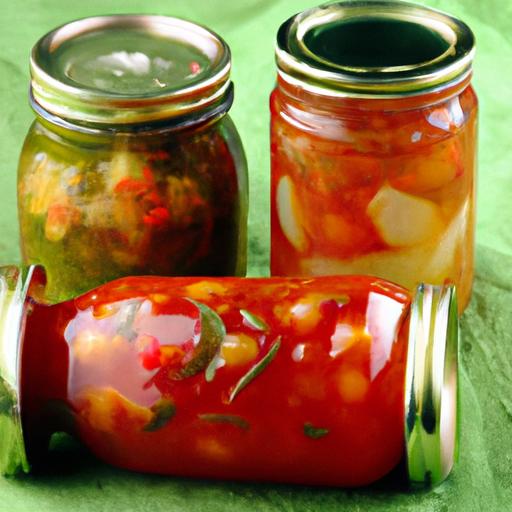

In a world where time races forward and convenience often trumps tradition, the age-old art of canning stands as a delicious testament to human ingenuity and patience. “Sealing Freshness: Exploring the Art of the Canning Process” invites you on a journey into the captivating science and craft behind preserving nature’s bounty. From vibrant summer peaches to hearty garden tomatoes, canning transforms fleeting harvests into timeless treasures, locking in flavors, nutrients, and memories. Join us as we unravel the secrets behind those sealed jars-where freshness is captured, and the essence of the season is held safe for months, even years, to come.
Understanding the Science Behind Air-Tight Seals and Their Role in Preservation
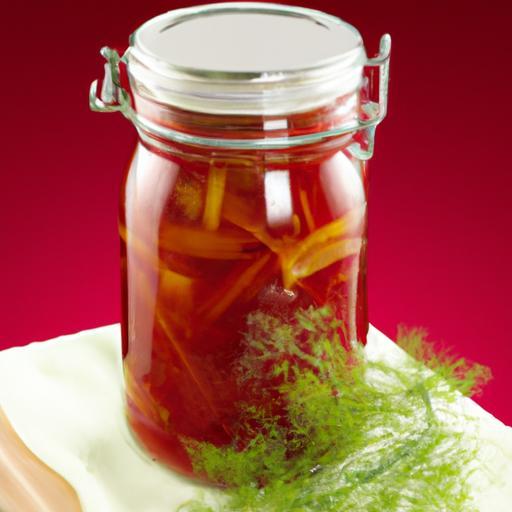
Sealing Freshness is at the heart of every successful canning journey. Creating an air-tight seal locks in flavors, nutrients, and freshness while keeping harmful bacteria out, allowing your preserves to last months, sometimes years. This magic happens because the vacuum inside the jar deprives microbes of oxygen, halting their growth and ensuring a safe, long-lasting preserve. The iconic “pop” sound you hear when opening a freshly canned jar is a testament to this science-a satisfying confirmation that the seal is intact and your food is preserved perfectly.
Selecting the Right Equipment and Materials for Optimal Canning Results
The journey to perfectly sealed jars begins with choosing the correct tools and materials. Investing in quality heat-resistant glass canning jars is essential, as they withstand high temperatures without cracking. Pair these with two-piece metal lids, which include a flat sealing disc coated with a heat-sensitive polymer and a screw band that holds the lid in place during processing. The seal forms as the contents cool and contract, creating a vacuum. Additionally, a reliable canner-whether a water bath or pressure canner-ensures your jars reach the necessary temperatures to destroy spoilage organisms.
Opt for equipment with easy-to-read gauges and sturdy handles for safety. Tools like jar lifters, funnel sets, and magnetic lid lifters streamline the process, reducing spills and contamination risks. Remember, the integrity of your seal depends on every component working in harmony.
Step-by-Step Techniques to Ensure a Perfectly Sealed Jar Every Time
- Prepare Your Jars and Lids: Sterilize jars by boiling or in a dishwasher with a sanitizing cycle. Warm your lids in hot (not boiling) water to soften the sealing compound for an optimal seal.
- Fill Jars with Hot Food: Use a funnel to fill jars, leaving the recommended headspace (usually ¼” to 1″) so the vacuum can form during cooling. Remove air bubbles with a non-metallic spatula.
- Clean Jar Rims: Wipe rims with a clean, damp cloth to remove any food residue that might prevent sealing.
- Apply Lids and Screw Bands: Center the lid on the jar rim, then screw the band on finger-tight. Avoid over-tightening to allow air escape during processing.
- Process Jars: Submerge jars in a boiling water bath or pressure canner for the time and pressure specified in your recipe.
- Cool and Test Seals: Remove jars carefully and set them on a towel to cool undisturbed for 12-24 hours. Test seals by pressing the lid center-if it doesn’t flex, the jar is sealed.
Common Pitfalls in Canning and How to Avoid Them for Long-Lasting Freshness
Even seasoned home canners encounter hurdles, but knowing the pitfalls can keep your kitchen successes consistent. One frequent mistake is improper headspace, which can cause jars not to seal or food to spoil. Follow recipe guidelines meticulously-too little space prevents vacuum formation, too much can cause oxygen exposure. Another is washing off the sealing compound by rinsing lids, which compromises their ability to seal. Handle lids gently; place them in hot water only.
Over-tightening lids is another issue; it traps air and hampers air escape during processing, resulting in unsealed jars. Instead, finger-tighten and let the canning process create the perfect seal. Also, skipping the recommended processing time or temperature can lead to unsafe preserves, as harmful bacteria may survive. Invest in a good thermometer and timer-your friends in this craft.
Lastly, always use reliable resources like the National Center for Home Food Preservation for up-to-date protocols and safety information.
Prep and Cook Time
- Preparation: 20 minutes
- Canning Process: 30-60 minutes depending on the recipe
- Cooling and Sealing: 12-24 hours
Yield
Yields approximately 6 to 8 half-pint jars, depending on the recipe and jar size.
Difficulty Level
Medium – requires attention to detail and some specialized equipment.
Ingredients
- 6-8 half-pint canning jars, heat-resistant glass
- 6-8 two-piece metal canning lids (flat sealing lids plus screw bands)
- Fresh produce or preserves, prepared according to recipe needs
- Water for boiling and sterilizing
- Optional spices or preservatives based on recipe
Instructions
- Sterilize jars: Boil jars for 10 minutes or clean in a sanitizing dishwasher cycle.
- Prepare lids: Soak lids in hot water to soften sealing compound.
- Fill jars: Use funnel to pour hot prepared food into jars, leaving ¼” headspace. Remove air bubbles gently with a plastic spatula.
- Clean rims: Wipe jars’ rims with a damp cloth to remove any residue.
- Seal jars: Place flat lid on jar and screw band finger-tight.
- Process jars: Immerse jars fully in boiling water bath or pressure canner, timing and pressure per recipe instructions.
- Cool: Remove jars carefully and let them rest on a towel, undisturbed, for 12-24 hours.
- Test seal: Press center of lid; it should not flex. Remove screw bands for storage to avoid rusting.
Tips for Success
- Use a magnetic lid lifter to avoid contamination when handling lids.
- Never reuse flat lids once jars are opened; always use new lids for each canning session.
- Maintain consistent headspace to ensure perfect seals every time.
- Check jars during cooling for any signs of bubbling or leaks.
- Label jars with date and contents to track freshness.
- Explore canning different fruits, vegetables, and sauces to expand your pantry creatively.
Serving Suggestions
Once your preserves are successfully canned, they become versatile gems in your kitchen. Use homemade jams on a flaky croissant for breakfast, spoon preserved tomatoes into hearty pasta, or share jars as charming gifts. Garnish opened preserves with fresh herbs or a drizzle of infused oil to elevate simple dishes. Canning reveals the beauty of seasonality and homemaking-each jar holds a story of patience and love.
| Nutritional Element | Per Half-Pint Jar |
|---|---|
| Calories | 120-250 (varies with recipe) |
| Protein | 1-3g |
| Carbohydrates | 30-60g |
| Fat | 0-2g |

Discover more about preserving seasonal bounty in our Preserving Seasonal Abundance guide, and empower your kitchen with techniques that celebrate flavors all year round.
Q&A
Q&A: Sealing Freshness – Exploring the Art of the Canning Process
Q1: What exactly is the canning process, and why is it considered an art?
A1: At its core, canning is the method of preserving food by sealing it in airtight containers, typically glass jars or metal cans, and then applying heat to destroy spoilage-causing microorganisms. It’s an art because it requires precision, patience, and a deep understanding of timing, temperature, and technique to lock in freshness, flavor, and nutrition just right-transforming fleeting harvests into lasting treasures.
Q2: How does canning keep food fresh for so long?
A2: The magic lies in creating a vacuum seal that blocks out air and bacteria, the main culprits behind food spoilage. By heating the food in sealed containers, the process kills microbes and enzymes that would otherwise cause deterioration. Without oxygen and with sterilized contents, the food remains safe and fresh, sometimes for years.
Q3: What are the different methods of canning, and how do they affect the final product?
A3: The two primary techniques are water bath canning and pressure canning. Water bath canning works for high-acid foods like fruits, jams, and pickles, using boiling water to process jars. Pressure canning reaches higher temperatures ideal for low-acid foods like vegetables, meats, and soups, ensuring thorough sterilization. The chosen method impacts texture, flavor retention, and shelf life.
Q4: Can anyone become a skilled canner, or is it reserved for professionals?
A4: Absolutely anyone can become a skilled canner! Like any art, mastering canning takes practice, attention to detail, and respect for safety guidelines. Beginners often start with simple recipes and gradually experiment with techniques and ingredients, developing a personal style that honors tradition while embracing innovation.
Q5: What role does temperature play in the success of canning?
A5: Temperature is both the artist’s brush and the alchemist’s flame. Precise temperatures kill harmful bacteria and enzymes without cooking the food to mush. Too low, and spoilage risks remain; too high, and you sacrifice texture and flavor. That delicate balance is why timing and equipment calibration are essential chapters in the canner’s handbook.
Q6: Beyond preservation, how does canning influence flavor and texture?
A6: Canning isn’t just about sealing in freshness; it subtly transforms foods. Heat softens textures and melds flavors, sometimes intensifying sweetness or mellowing acidity. The process can bring out hidden notes, turning garden fruits into luscious preserves or humble beans into savory stews sealed for later enjoyment.
Q7: What are some creative ways people are innovating with canning today?
A7: Modern canners are blending tradition with creativity by experimenting with global spices, layering ingredients for complex flavors, and even canning unexpected items like cocktails or gourmet sauces. Sustainable practices like using reusable jars and local ingredients also reflect a growing ethos of mindful canning that celebrates both art and environment.
Q8: How can readers get started with their own canning adventures?
A8: Begin with trustworthy recipes from reliable sources, invest in quality jars and tools, and never skip safety checks. Join local workshops or online communities to share tips and stories. Remember, canning is as much about patience and love as it is about science-each sealed jar is a jar of preserved memories waiting to be savored.
To Wrap It Up
As we peel back the layers of the canning process, we uncover more than just a method of preservation – we reveal a timeless art that locks in nature’s bounty and carries flavors through seasons and years. From the meticulous sealing of vibrant fruits to the careful timing that ensures safety and taste, canning stands as a bridge between the harvest and the table, a quiet guardian of freshness. Whether you are an aspiring home canner or simply curious about the science behind your favorite jarred delicacies, understanding this craft enriches every bite with appreciation. So next time you pop open a can or jar, savor not just the contents, but the mastery and tradition that keep freshness alive, one seal at a time.