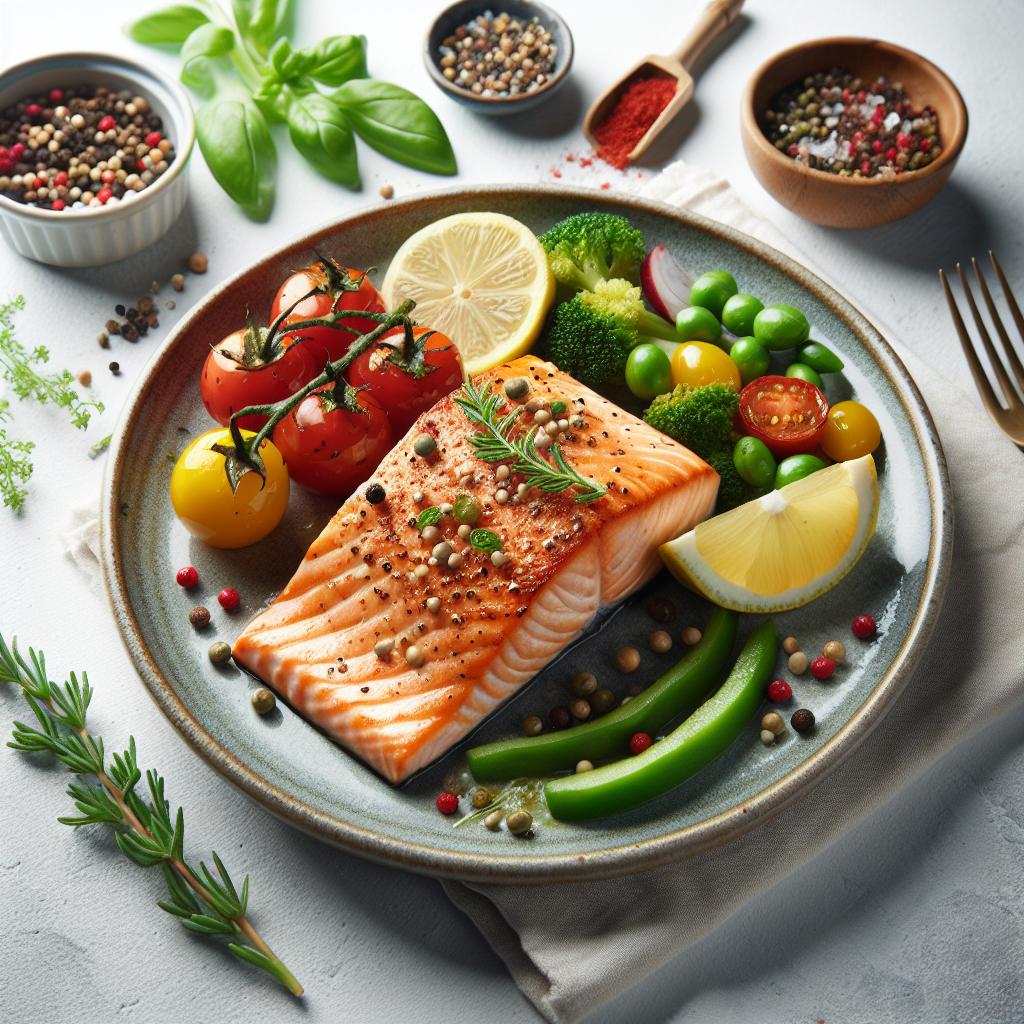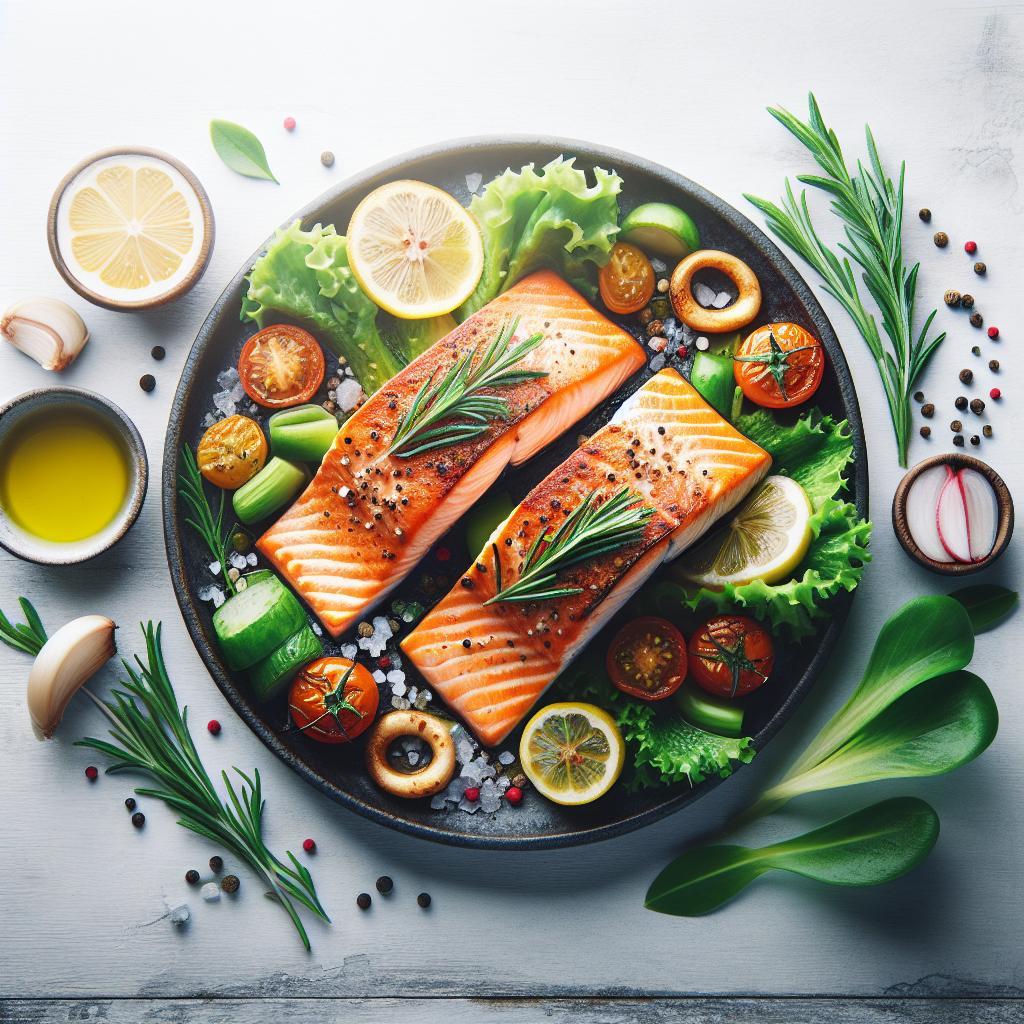

There’s something undeniably magical about a perfectly baked salmon fillet-the tender, flaky flesh infused with a subtle symphony of herbs and spices, kissed by just the right amount of heat. Whether you’re a seasoned home chef or a culinary curious beginner, mastering the art of baking salmon can turn a simple meal into a gourmet experience. In this article, we’ll dive into the essential tips and tricks to help you savor every juicy, flavorful bite. Prepare to elevate your dinner table with salmon that’s nothing short of perfection.
Savor the perfect baked salmon fillets starts with selecting the freshest fish-this simple step transforms ordinary dinners into memorable feasts. Whether sourced from local markets or trusted suppliers, the ideal salmon fillet boasts a vibrant pink-orange hue, firm texture, and subtle ocean aroma. Understanding these freshness cues ensures your dish will be tender, juicy, and bursting with natural flavor.
Prep and Cook Time
- Preparation: 15 minutes
- Marinating: 30 minutes to 2 hours (optional but recommended)
- Cooking: 12-15 minutes
Yield
Serves 4 generous portions
Difficulty Level
Easy to Medium – perfect for home cooks ready to elevate their seafood skills
Ingredients
- 4 salmon fillets (6 oz each), skin on
- 2 tablespoons extra virgin olive oil
- Juice of 1 lemon
- 3 cloves garlic, minced
- 1 tablespoon fresh dill, finely chopped
- 1 tablespoon fresh parsley, chopped
- 1 teaspoon Dijon mustard
- Salt and freshly ground black pepper to taste
- Optional: 1 teaspoon honey for a subtle glaze
Instructions
- Choose your salmon fillets with care, looking for moist, translucent flesh and avoid any fillets with dry edges or discoloration.
- Prepare the marinade: In a bowl, combine olive oil, lemon juice, minced garlic, Dijon mustard, chopped dill, parsley, salt, and pepper. Add honey if you want a touch of sweetness to balance the tang.
- Marinate the fillets: Place the salmon in a shallow dish and pour the marinade over the top. Cover with plastic wrap and refrigerate for 30 minutes to 2 hours. Longer marinating enhances flavor and moisture retention but avoid exceeding 2 hours to prevent denaturing the fish.
- Preheat your oven to 400°F (200°C) and line a baking tray with parchment paper or lightly grease it.
- Arrange the salmon fillets skin-side down on the baking tray, allowing some space for even heat circulation.
- Bake uncovered for 12-15 minutes depending on thickness. The salmon is done when it flakes easily with a fork but still retains moistness – avoid overcooking to retain luscious texture.
- Final touch: Optional-broil for 1-2 minutes to crisp the skin beautifully.
- Remove from oven and let rest for 2 minutes before serving to allow juices to redistribute.
Tips for Success
- Freshness first: If possible, buy wild-caught salmon, which tends to have a richer flavor and firmer texture than farmed options.
- Temperature check: Use an instant-read thermometer; the internal temp should hit 125°F (52°C) for medium-rare perfection.
- Marinate mindfully: Acidic marinades tenderize fish quickly; keep timing precise to avoid mushy texture.
- Make-ahead: Salmon can be marinated up to 2 hours in advance and baked right before serving for ease during entertaining.
- Substitute herbs: Try tarragon or basil for a different aromatic profile without overpowering the salmon’s natural essence.
- Cooking method variation: For a smoky touch, consider finishing fillets on a hot grill post-baking to add subtle char and complexity.
Creative Serving Suggestions to Elevate Your Baked Salmon Experience
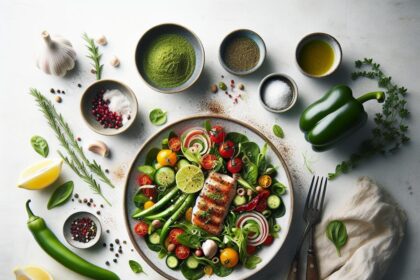
Present your salmon fillet on a bed of vibrant sautéed spinach or tender asparagus for a burst of color and nutrients. Garnish with fresh lemon zests, thinly sliced radishes, and a sprinkle of toasted pine nuts or sliced almonds for crunch. A drizzle of tangy tzatziki or an herbaceous chimichurri sauce complements the fish’s richness beautifully.
For a complete meal, pair with roasted baby potatoes tossed lightly in garlic and rosemary or a chilled quinoa salad tossed with cucumber, cherry tomatoes, and fresh herbs to contrast textures and refresh the palate.
| Nutrition (per serving) | Amount |
|---|---|
| Calories | 320 kcal |
| Protein | 34 g |
| Carbohydrates | 3 g |
| Fat | 18 g |

Discover more about selecting quality seafood in our Guide to Choosing Fresh Seafood and deepen your cooking skills with insights from the FDA’s seafood safety recommendations.
Q&A
Q&A: Savor the Perfect Baked Salmon Fillets – Tips & Tricks
Q1: What makes baked salmon a standout dish in home cooking?
A1: Baked salmon is a spectacular blend of simplicity and sophistication. It’s quick to prepare, requires minimal ingredients, and yields a tender, flaky filet infused with natural flavors. Its luscious texture and rich omega-3 content make it both a delicious and nutritious centerpiece.
Q2: How do I choose the best salmon fillets for baking?
A2: Opt for fresh, wild-caught salmon if possible-its firm texture and vibrant pink hue indicate quality and flavor. Look for fillets that are moist but not slimy, with no fishy odor. Thicker, evenly sized fillets will bake more consistently.
Q3: What’s the secret to perfectly moist salmon without it drying out?
A3: The golden rule is not to overcook. Bake at a moderate temperature-around 375°F (190°C)-for about 12-15 minutes depending on thickness. Another trick is to pat the fillet dry, then brush it lightly with olive oil or melted butter to seal in moisture. Wrapping the fillets loosely in parchment paper or foil can also create a steamy environment that keeps the fish tender.
Q4: Which seasonings elevate the flavor of baked salmon?
A4: Simple is often best. A sprinkle of sea salt and cracked black pepper lets the salmon shine. Fresh herbs like dill, parsley, or thyme add aromatic notes. A splash of lemon juice or zest imparts brightness, while a dusting of smoked paprika or garlic powder can introduce a subtle depth.
Q5: Can I prepare a marinade for baked salmon?
A5: Absolutely! A quick marinade of soy sauce, honey, garlic, and ginger creates a deliciously savory-sweet glaze. Marinate the fillet for 15-30 minutes before baking, but avoid soaking too long as acidity can start to cook the fish prematurely.
Q6: What sides pair beautifully with baked salmon?
A6: Think fresh and vibrant-steamed asparagus, lemony quinoa, or a crisp arugula salad make excellent companions. Roasted baby potatoes or a creamy dill yogurt sauce can add hearty and cooling contrasts.
Q7: Is it possible to bake frozen salmon fillets directly?
A7: Yes! Baking from frozen is convenient. Just add a few extra minutes to the cooking time and consider covering the fillets with foil to prevent drying out. Season generously once partially thawed in the oven for best flavor absorption.
Q8: How can I tell when my salmon is perfectly baked?
A8: The salmon should be opaque and flake easily with a fork but still feel moist. The internal temperature should reach 125-130°F (51-54°C) for medium doneness. Avoid baking until it’s dry or stringy-stay vigilant!
Q9: Any creative finishing touches to impress guests?
A9: Drizzle a tangy herb vinaigrette, sprinkle toasted pine nuts, or add a dollop of bright citrus salsa. Fresh microgreens or edible flowers provide a stunning visual finish, turning weekday dinners into culinary celebrations.
Q10: What’s the best way to reheat leftover baked salmon without losing its charm?
A10: Gently warm leftovers in a low oven (around 275°F/135°C), covered with foil, for about 10-15 minutes. This keeps the fillet moist and prevents it from becoming rubbery. Avoid microwave reheating if you want to preserve the delicate texture.
Enjoy baking your way to perfectly succulent salmon fillets-each bite a celebration of flavor and finesse!
Closing Remarks
As the final flakes of your perfectly baked salmon melt on your tongue, you’ll know that mastering this simple yet exquisite dish is within your reach. With the tips and tricks shared here, you’re equipped to transform humble fillets into culinary triumphs-richly flavored, tender, and beautifully cooked every time. So next time you crave a healthy, elegant meal, remember: the secret to savoring salmon isn’t just in the recipe, but in the care and confidence you bring to the kitchen. Happy baking, and may your salmon always be as flawless as your newfound skills!