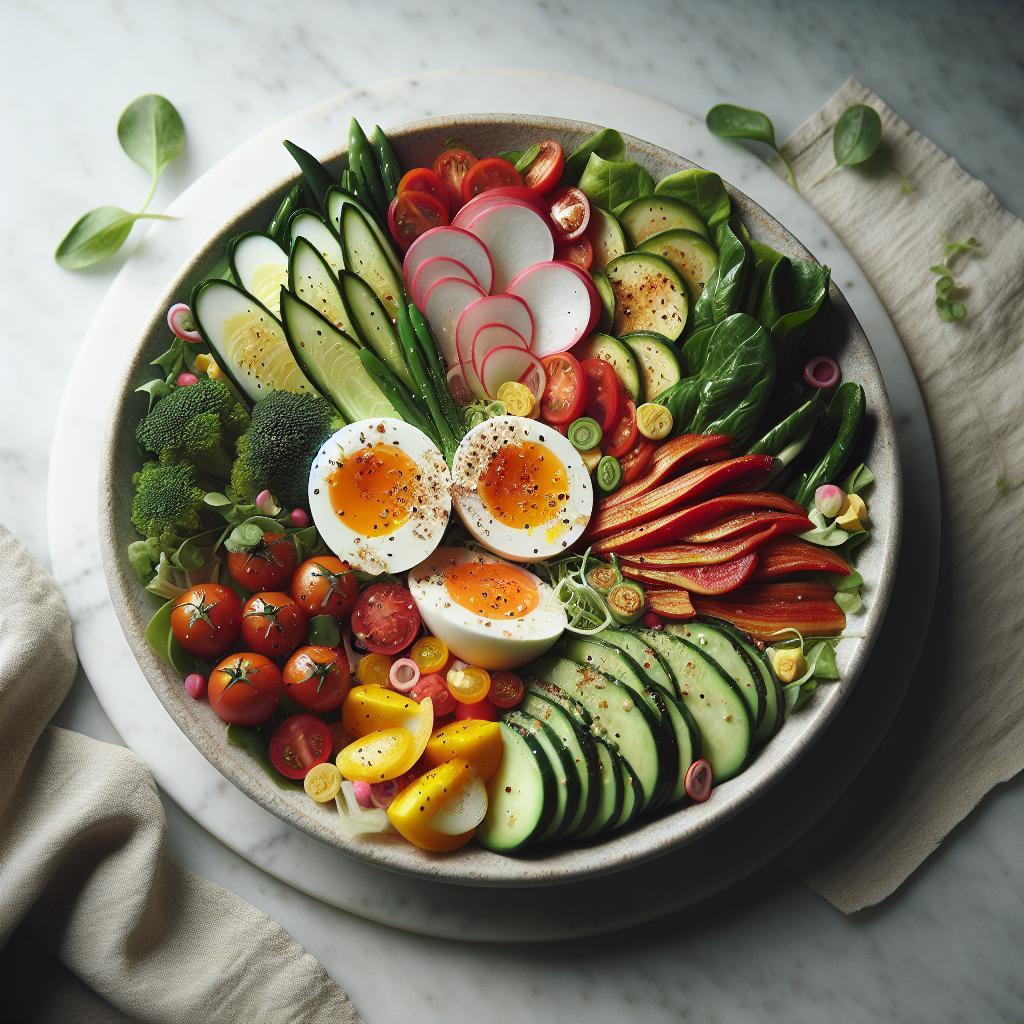

In the bustling rhythm of daily life, the kitchen often becomes a stage for quick decisions and hurried fixes-especially when it comes to dealing with leftovers. Those carefully stored morsels of yesterday’s meal can be a blessing or a headache, depending on how we handle them. But beneath the simple act of reheating lies a surprisingly complex web of culinary logic, where small missteps can turn a perfectly good dish into a wasteful or even risky endeavor. In this article, we’ll uncover the most common leftover slip-ups and show you how to avoid them, transforming your leftover routine from a chaotic scramble into a smart, sustainable practice that delights both your palate and your pantry.
Leftover Logic: Avoid These Common Kitchen Slip-Ups
Mastering leftover management can revolutionize your kitchen routine, unlocking hidden flavors and saving precious time. By understanding the nuances of storage, reheating, and innovative upcycling, you’ll breathe new life into your meals while keeping safety front and center.
Prep and Cook Time
Preparation: 10 minutes | Cook / Reheat: 15 minutes | Total: 25 minutes
Yield
Serves 4 with plenty of versatile leftover options
Difficulty Level
Easy – Perfect for busy home cooks eager to reduce waste
Ingredients
- 3 cups cooked rice, cooled (preferably leftover)
- 2 cups cooked vegetables, chopped (carrots, peas, bell peppers)
- 1 cup cooked protein (chicken, tofu, or shrimp), diced
- 2 large eggs, beaten
- 2 tbsp oil (sesame or vegetable)
- 3 cloves garlic, minced
- 2 tsp soy sauce or tamari
- 1 tsp freshly grated ginger
- Salt and pepper, to taste
- 2 green onions, sliced for garnish
- Optional: chili flakes or a splash of toasted sesame oil for finishing
Instructions
- Preheat a large skillet over medium-high heat and add 1 tablespoon of oil. Sauté garlic and ginger until aromatic, about 30 seconds.
- Add the cooked vegetables and protein to the skillet. Stir-fry for 2-3 minutes until warmed through and lightly caramelized.
- Push the mixture to one side of the skillet and pour in the beaten eggs. Allow them to cook undisturbed for 1 minute, then scramble gently until just set.
- Add the cooked rice, breaking up any clumps with a spatula. Drizzle soy sauce over the rice and mix thoroughly to combine all ingredients evenly.
- Continue stir-frying for 5-7 minutes until the rice is heated through and slightly crisp on the edges-the hallmark texture of well-reheated leftovers.
- Season with salt, pepper, and optional chili flakes or sesame oil. Toss once more and remove from heat.
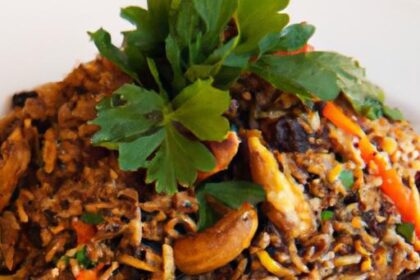
- Garnish with sliced green onions and serve immediately for a vibrant, flavor-packed meal that celebrates smart leftover use.
Tips for Success
- Properly cool leftovers quickly and store in airtight containers to avoid bacterial growth and maintain freshness.
- When reheating, avoid microwaving directly from the fridge; let food reach room temperature for 10-15 minutes or reheat gently to preserve texture and flavor-a key part of mastering leftover logic.
- Label containers with date and contents using a waterproof marker or reusable stickers to track freshness and rotate items accordingly.
- Upcycle rice and proteins in this stir-fry to create a new dish with exciting textures-avoid monotony by rotating vegetables and sauces seasonally.
- Freeze portions safely in single servings for quick future meals, ensuring leftovers don’t go to waste.
Serving Suggestions
This vibrant fried rice is perfect paired with a light side salad or pickled vegetables for contrast. For extra crunch and visual appeal, sprinkle toasted sesame seeds or crushed peanuts on top. Brighten the plate with fresh cilantro or a wedge of lime to add a zesty finish that transforms leftover logic into gourmet meals.
| Nutrient | Per Serving |
|---|---|
| Calories | 350 kcal |
| Protein | 22 g |
| Carbohydrates | 40 g |
| Fat | 8 g |
Discover more smart kitchen waste solutions here.
For detailed food safety guidelines, visit FDA’s official food storage recommendations.

Q&A
Q&A: Leftover Logic – Avoid These Common Kitchen Slip-Ups
Q1: Why do leftovers sometimes taste worse the next day?
A1: Leftovers can lose their magic if not stored properly. Exposure to air causes moisture loss or sogginess, and improper sealing invites bacteria growth. Using airtight containers and refrigerating within two hours keeps flavors fresh and prevents that mysterious taste downgrade.
Q2: Can I safely reheat any leftover food multiple times?
A2: It’s tempting to keep reheating, but every cycle puts your food at risk. Reheating repeatedly allows bacteria to multiply, especially if food cools down slowly between heats. Stick to reheating only once, and finish your leftovers in one go to play it safe.
Q3: Is it true that some foods shouldn’t be reheated at all?
A3: Absolutely! Foods like rice and certain leafy greens can become unsafe or develop off flavors when reheated improperly. Rice needs rapid cooling and thorough reheating, or harmful bacteria may thrive. Always check if your leftover star has special reheating needs.
Q4: How long can I keep leftovers before tossing them?
A4: A general rule is 3-4 days in the refrigerator. Beyond that sweet spot, bacterial growth ramps up and taste quality declines. For longer storage, freeze leftovers in portions with clear date labels to enjoy the flavors later without risking food safety.
Q5: What’s the biggest leftover slip-up most home cooks make?
A5: Leaving food out too long before refrigerating is the usual culprit. Bacteria multiply quickly between 40°F-140°F (4°C-60°C), so the sooner leftovers chill out, the better. Remember: two hours is your countertop time limit before refrigeration.
Q6: Can I mix different leftovers in one container?
A6: Mixing isn’t a terrible idea-but be mindful of differing storage times and moisture levels. Combining a delicate salad with a hearty stew might lead to soggy messes or uneven heating. Best to store leftovers by type to preserve texture and safety.
Q7: Any tips for turning leftovers into new culinary delights?
A7: Absolutely! Think beyond reheating. Leftover roasted veggies become soup, day-old rice transforms into fried rice, and leftover chicken stars in a fresh salad or sandwich. A splash of fresh herbs or citrus can breathe new life into tired dishes-creative reuse is the ultimate leftover logic.
By mastering these tips, your leftovers won’t just survive-they’ll thrive, saving you money, reducing waste, and keeping your taste buds satisfied!
To Wrap It Up
In the end, mastering the art of leftover logic isn’t just about saving food-it’s about transforming your kitchen into a smarter, more sustainable space. By steering clear of these common slip-ups, you not only stretch your meals further but also give your creativity room to flourish. So next time you face a fridge full of remnants, remember: with a little intention and know-how, yesterday’s extras can become today’s culinary triumphs. Here’s to turning leftovers into lasting legends-one mindful bite at a time.