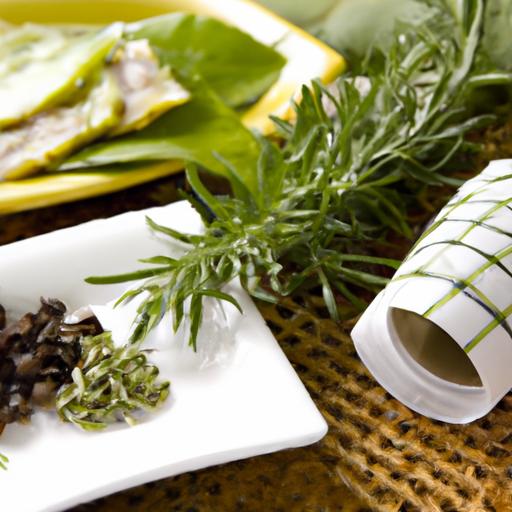

In the delicate dance between garden and kitchen, herbs play the starring role-bursting with vibrant aromas and flavors that can transform every dish into a culinary masterpiece. But what happens when the busy seasons fade, and those fresh green treasures are out of reach? Enter the art of herb drying: a timeless technique that captures the essence of your garden’s bounty and preserves it for days when fresh is just a memory. In this article, we’ll unlock the secrets of herb drying, revealing the best methods to retain those vivid flavors and fragrances. Whether you’re a seasoned gardener or a kitchen novice, mastering these preservation skills will ensure that your meals never miss that fresh, herbal kiss-no matter the season.
Choosing the Ideal Herbs for Drying and Flavor Retention
Herb Drying Secrets: Best Ways to Preserve Fresh Flavors begins with selecting the perfect herbs that hold their aroma and essence after drying. Not all herbs respond the same-some lose their potency quickly while others flourish in dried form. Opt for hardy herbs like thyme, rosemary, , and sage which retain robust flavors and essential oils. Delicate herbs like basil and parsley can also be dried effectively if handled with care but are better suited for freezing if freshness is your priority.
Harvest herbs in the morning after the dew evaporates to ensure maximum oil content, cutting stems just before budding or flowering for vibrant flavor retention. Always start with clean, unblemished leaves. Avoid overly mature or yellowing foliage to keep your dried herbs vivid, fragrant, and fresh-tasting.
Optimal Drying Methods for Maximum Aroma and Color
The secret to vibrant, aromatic dried herbs lies in drying methods that gently coax out moisture without sacrificing color or essential oils. The most time-honored technique is air drying, where herbs are tied into small bundles and hung in a warm, well-ventilated, and shaded space. This preserves hues and blends subtle aromas perfectly over 7-14 days.
For quicker results, a dehydrator set to 95°F-115°F is ideal-consistent heat with airflow prevents leaf brittleness and conserves aroma. Herbs can also be dried in the oven on the lowest setting with the door cracked open, but monitor carefully to avoid scorching which dulls color and flavor.
Using a microwave is a fast method suited to small batches, but it requires vigilant timing-usually just 20-40 seconds per batch-to retain oils and avoid a cooked taste. Regardless of method, the leaves should be crisp but still colorful, crumbling easily between your fingers and bursting with scent.
Storage Techniques to Maintain Freshness and Potency
Once your herbs are dried perfectly, storage is the next key step in preserving their vibrant notes. Use airtight containers-glass jars with tight-fitting lids are excellent for blocking moisture and air. Keep your containers in a cool, dark, and dry place away from sunlight to protect chlorophyll and essential oils from degrading.
Label each jar with the herb name and drying date. For the freshest flavors, use dried herbs within 6-12 months. Adding a small food-safe silica gel packet can control residual moisture and extend shelf life. Avoid plastic bags or loosely sealed containers which invite humidity and degrade flavor.
Troubleshooting Common Drying Challenges for Perfect Results
Herb Drying Secrets: Best Ways to Preserve Fresh Flavors is not without its common pitfalls, but solutions are simple with attention and care. If herbs mold during drying, it usually indicates too much moisture or poor air circulation-spread bundles further apart or use a fan. Leaves that turn brown or dull may be drying at too high a temperature; drop the heat or switch to air drying.
Some herbs lose potency quickly-try harvesting earlier in the day and drying promptly to capture oils at their peak. If leaves crumble to dust, lower drying temps and shorten drying time, checking texture frequently. By mastering these nuances, your dried herbs will bloom with the fresh flavors you expect.

Prep and Cook Time
- Preparation: 15 minutes (harvesting and cleaning)
- Drying Time: 7-14 days (air drying) or 2-4 hours (dehydrator)
Yield
1 bunch of fresh herbs yields approximately ⅓ cup dried herbs
Difficulty Level
Easy to Medium-requires patience and careful monitoring
Ingredients
- Fresh herbs of choice (thyme, rosemary, oregano, sage, basil)
- Optional: food-safe silica gel packets for storage
- Glass jars or airtight containers for storing dried herbs
- Twine or rubber bands for bundling herbs
Instructions
- Harvest herbs in the morning after dew has dried, selecting healthy, vibrant leaves.
- Rinse gently in cool water to remove dirt, pat dry thoroughly with a clean towel.
- Bundle small herb bunches (4-5 stems) with twine or rubber bands.
- Hang bundles upside down in a warm, dark, and well-ventilated place for 7-14 days, checking periodically.
- If using a dehydrator, arrange small portions on trays and set temperature between 95°F and 115°F, drying for 2-4 hours until crisp.
- Check dryness by crumbling leaves-if fragile and crumbly, herbs are ready.
- Remove leaves from stems, crumble gently, and pack into airtight containers immediately.
- Label jars with herb type and drying date, store in a cool, dark cupboard.
Tips for Success
- Harvest herbs before flowering for the most flavorful leaves.
- Dry smaller bundles to improve airflow and shorten drying time.
- Rotate bundles occasionally in the drying area for even moisture loss.
- Use a dehydrator for rapid drying without sacrificing color.
- Test dryness by snapping leaves-if tough or moist, continue drying.
- Preserve aroma by storing dried herbs away from heat and sunlight.
- If mold appears, discard affected herbs immediately to avoid cross-contamination.
Serving Suggestions
Dried herbs are a pantry powerhouse: crush and sprinkle over roasted vegetables, infuse into oils or vinegar, mix into bread dough, or steep into warm herbal teas. Garnish dishes with whole leaves or blend finely for seasoning blends. Combine dried herbs with fresh counterparts to layer flavors beautifully in any recipe.
| Herb | Drying Time | Flavor Retention | Best Uses |
|---|---|---|---|
| Thyme | 7-10 days (air dry) | High | Soups, roasts, marinades |
| Rosemary | 10-14 days (air dry) | Very High | Grilled meats, bread, oils |
| Basil | 2-4 hours (dehydrator) | Medium | Pasta, sauces, pesto |
| Oregano | 7-10 days (air dry) | High | Pizza, tomato dishes, dressings |
| Sage | 10-14 days (air dry) | High | Stuffing, roasted poultry, butter sauces |
For more creative uses and preservation tips, explore our related herbal preservation guide. For additional scientific insights into herb drying, visit Extension.org’s detailed herb storage guide.
Q&A
Q&A: Herb Drying Secrets – Best Ways to Preserve Fresh Flavors
Q1: Why should I dry herbs instead of freezing or refrigerating them?
A1: Drying herbs concentrates their flavors and extends their shelf life without needing freezer space or electricity. Unlike freezing, which can sometimes cause herbs to become mushy upon thawing, drying locks in their aromatic oils-if done properly-so you can enjoy vibrant flavors year-round.
Q2: What’s the secret to drying herbs without losing their fresh taste?
A2: The secret lies in gentle drying at low temperatures to preserve essential oils, combined with quick drying times to avoid bitterness. For instance, hanging herbs upside down in a warm, well-ventilated, and dark space helps maintain their taste and color better than oven or microwave drying.
Q3: Can I dry all herbs the same way?
A3: Not quite! Leafy herbs like basil, mint, and parsley thrive when air-dried, while woody herbs such as rosemary and thyme handle higher heat without losing essence. Delicate herbs like cilantro or basil benefit from fast drying methods like dehydrators set to low heat, while robust herbs can be more forgiving.
Q4: How do I know when my herbs are perfectly dried?
A4: Properly dried herbs will snap or crumble easily between your fingers. If they still feel pliable or damp, they need more time. Avoid over-drying, which can turn them brittle and flavorless-aim for crispness but not powder.
Q5: What’s the best way to store dried herbs to keep their aromas alive?
A5: Store dried herbs in airtight, dark containers away from heat and light-think glass jars tucked in a cupboard. Crushing herbs only at the moment of use also helps prevent fragrant oil loss, ensuring each pinch bursts with fresh flavor.
Q6: Are there any hacks to enhance flavor retention during drying?
A6: Absolutely! Rinsing herbs gently and drying them thoroughly before drying avoids mold. Also, harvest herbs early in the morning when their oils are most potent, and dry in small batches to speed the process. For an extra touch, you can add a sprinkle of sea salt before drying to preserve and amplify herbal notes.
Q7: Can I mix different herbs while drying?
A7: It’s best to dry similar herbs together to avoid cross-contamination of flavors. Strong aromatics like rosemary can overpower milder herbs such as basil. Keep them separate during drying and storage to maintain pure, fresh flavors.
Q8: How long do dried herbs keep their flavor?
A8: Properly dried and stored herbs can keep their flavor for up to one year, though peaks vary. Leafy herbs lose potency faster than woody ones. For the freshest taste, use them within six months and always check aroma before adding generously to recipes.
With these herb drying secrets, you’ll turn your fresh garden bounty into pantry treasures bursting with flavor-ready to enhance any dish come rain or shine!
Insights and Conclusions
As the last wisps of moisture leave your herbs, what remains is a concentrated essence of nature’s finest flavors-ready to elevate your culinary creations long after the growing season has passed. Mastering the art of herb drying is more than just preservation; it’s a way of capturing time, aroma, and vitality in every crisp leaf. Whether you opt for traditional air drying, gentle oven methods, or the efficiency of a dehydrator, each technique unlocks a unique way to extend the garden’s bounty. So, embrace these drying secrets with patience and care, and transform your kitchen into a fragrant haven where fresh flavors live on, season after season. Your dishes-and your senses-will thank you.