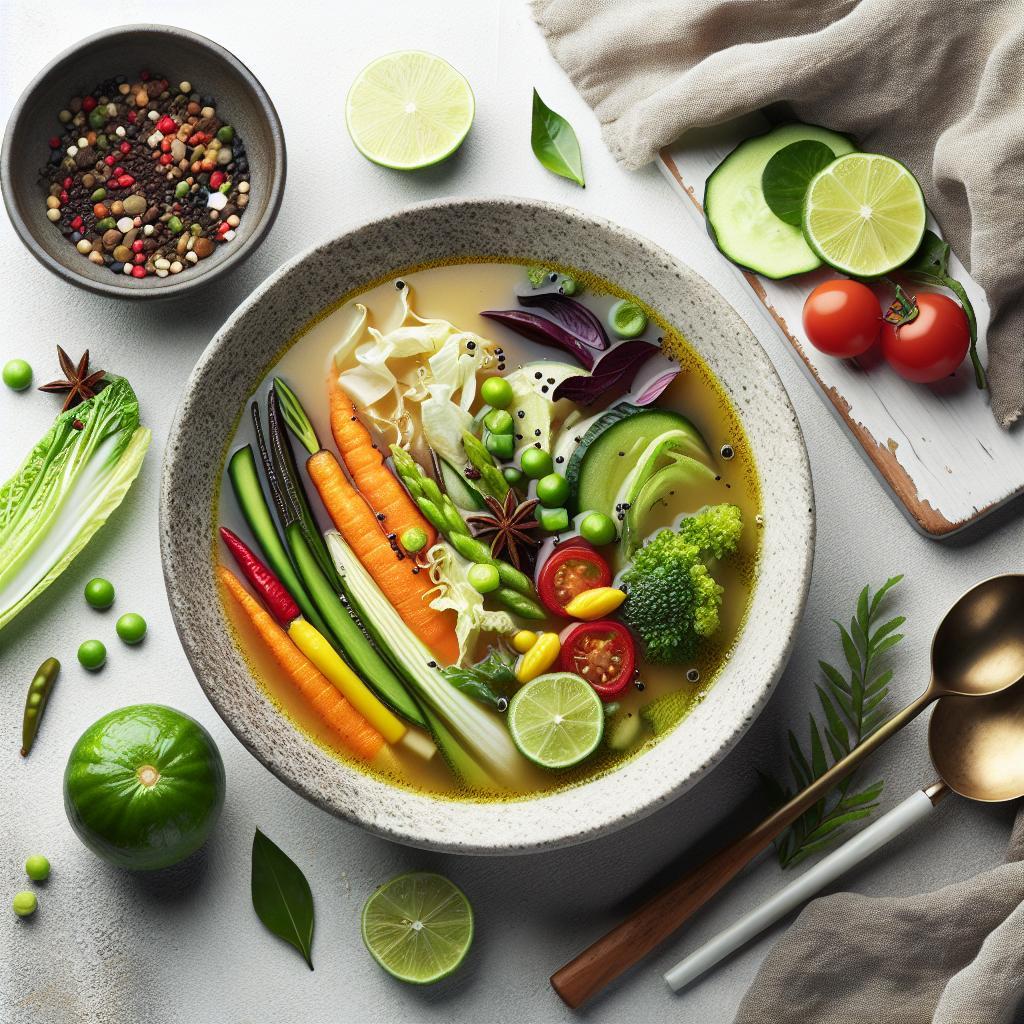

Every great dish begins with a foundation, and in the world of cooking, few ingredients are as humble yet transformative as broth. But what if the secret to a rich, deeply layered stock isn’t hidden in fancy cuts of meat or pricey spices, but in the kitchen scraps we often toss away? “From Peel to Pot: Crafting Flavorful Broth with Veggie Scraps” invites you to rethink your peelings, stems, and ends-not as waste, but as the very soul of a soul-satisfying broth. Journey with us as we explore how everyday veggie remnants can be elevated into a hearty, aromatic elixir that adds depth and nutrition to your meals, proving that sustainable cooking is as delicious as it is resourceful.
The Art of Selecting Veggie Scraps for Maximum Flavor
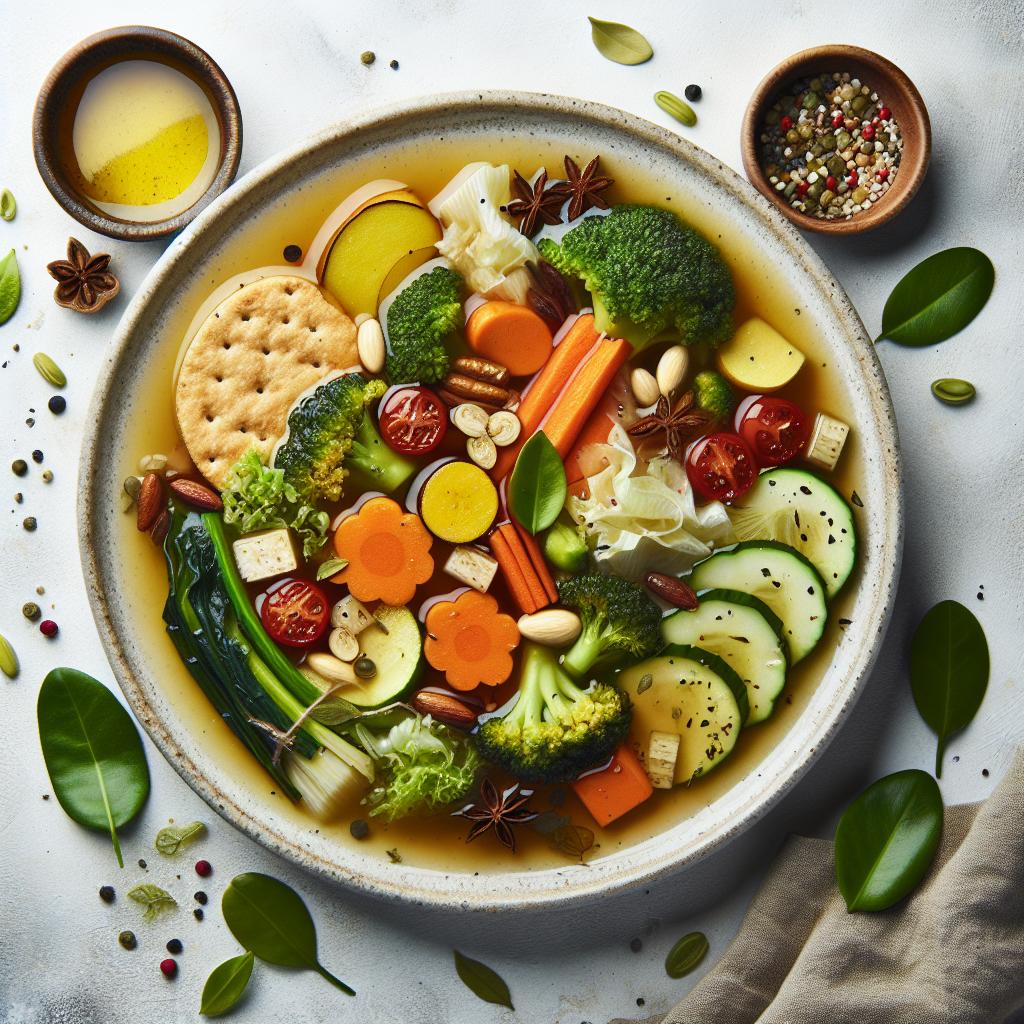
From peel to pot: crafting flavorful broth with veggie scraps begins with choosing the right ingredients. The secret lies not just in quantity but in the quality and diversity of your vegetable remnants. Bright green celery tops, golden carrot peels, and robust onion skins hold concentrated flavors and pigments that amplify your broth’s depth. Avoid anything overly bitter like broccoli stalks or cruciferous leaves, which can overpower the subtle nuances. Champion various textures-firm stems mingle with soft leaves-to create a broth bursting with layered personality.
Building Depth with Aromatics and Herbs
Add a fragrant backbone by selecting the perfect aromatics and herbs that coax out umami magic. Garlic cloves, lightly crushed, and whole peppercorns spark warmth, while bay leaves offer an earthy undertone. Fresh thyme sprigs or rosemary needles infuse herbal brightness without overpowering. Toss in a few slices of fresh ginger or a star anise if you crave an exotic twist. Balancing these elements transforms your humble veggie broth into a symphony of fragrances and flavors.
Prep and Cook Time
- Preparation: 10 minutes
- Simmering: 1 to 1.5 hours
- Total: Approximately 1 hour 40 minutes
Yield
- About 8 cups (2 liters) of veggie broth
Difficulty Level
- Easy
Ingredients
- 4 cups assorted vegetable scraps (carrot peels, celery tops, onion skins, mushroom stems)
- 1 medium onion, quartered (skin on for color)
- 2 garlic cloves, crushed
- 2 stalks celery, chopped
- 1 large carrot, chopped
- 1 bay leaf
- 5 whole black peppercorns
- 3 sprigs fresh thyme or 1 tsp dried thyme
- 1/2 tsp sea salt, adjust to taste
- 10 cups cold water
Instructions
- Gather and rinse all vegetable scraps thoroughly to remove any dirt or grit, especially if sourced from the garden or unwashed produce.
- In a large stockpot, combine the vegetable scraps, onion, garlic, celery, and carrot. Pour in 10 cups of cold water, ensuring the ingredients are fully submerged.
- Add the bay leaf, peppercorns, thyme, and salt. Stir gently to distribute.
- Bring the mixture to a boil over medium-high heat, then reduce to a gentle simmer.
- Simmer uncovered for 1 to 1.5 hours, stirring occasionally. This slow extraction allows flavors and nutrients to meld deeply without clouding the broth.
- After simmering, remove from heat and let cool slightly. Use a fine-mesh strainer or cheesecloth to strain the broth into a large bowl, pressing the solids gently to extract every drop of flavor.
- Discard the veggie scraps responsibly by composting or repurposing in garden mulch.
- Cool the broth completely before storing in airtight containers. It can be refrigerated for up to 5 days or frozen for 3 months.
Chef’s Notes: Tips for Success
- Use fresh, organic scraps whenever possible for cleaner, more vibrant broth.
- Don’t overload with bitter greens like kale or mustard greens-these can dominate the flavor.
- For a clearer broth, skim off any foam or impurities as they rise during simmering.
- Experiment with adding a dash of soy sauce or miso paste post-cooking for a savory boost.
- Always cool broth quickly before refrigeration to maintain freshness and safety.
Creative Ways to Use Your Homemade Veggie Broth
Homemade veggie broth crafted from scraps offers a flavorful foundation for countless dishes. Use it as the base for exquisite risottos, imparting rich umami without animal products. Add it to stews and casseroles for a natural depth that enhances every bite. It also shines simply heated as a soothing cup, garnished with fresh herbs and a twist of lemon for instant comfort. Freeze portions in ice cube trays to elevate sauces and sautés effortlessly. Let this broth redefine your cooking by turning humble leftovers into culinary gold.

| Nutrient | Per 1 Cup |
|---|---|
| Calories | 15 |
| Protein | 1g |
| Carbohydrates | 3g |
| Fat | 0g |
For more inspiration on reducing kitchen waste and enhancing flavors, check out our article on Zero Waste Kitchen Tips. To deepen your understanding of vegetable nutrition, visit Nutrition Australia.
Q&A
Q&A: From Peel to Pot – Crafting Flavorful Broth with Veggie Scraps
Q1: What exactly is broth made from veggie scraps?
A1: Simply put, it’s a nutrient-packed, savory liquid crafted by simmering vegetable peelings, stems, and ends that might otherwise be tossed away. Instead of wasting your kitchen scraps, you transform them into a rich, flavorful broth perfect for soups, stews, or as a cooking base.
Q2: Which veggie scraps work best for broth-making?
A2: The beauty lies in variety! Onion skins, carrot tops, celery leaves, garlic peels, mushroom stems, and even broccoli stalks all bring unique flavors and nutrients. Avoid bitter scraps like cruciferous vegetable cores in excess or anything moldy.
Q3: How do I prepare my scraps for the broth?
A3: Rinse gently to remove dirt but avoid over-washing since some nutrients cling to the peels. Collect your scraps in a breathable container in the fridge until you have enough to fill a pot-about 4 cups of scraps for every 8 cups of water works nicely.
Q4: What’s the secret to a deeply flavorful veggie broth?
A4: Slow and steady wins the race. Simmer low and slow for at least an hour, preferably two to three, to coax out all those aromatic oils and earthy undertones. Add a pinch of salt, maybe a bay leaf or peppercorns for depth, but keep it simple to highlight the vegetables.
Q5: Can I freeze the broth if I make a big batch?
A5: Absolutely! Veggie broth freezes beautifully. Pour it into ice cube trays for small portions or freezer-safe containers for larger amounts. Just defrost as needed to add a burst of umami magic to your meals.
Q6: Is veggie scrap broth as nutritious as store-bought broth?
A6: Often, it’s even better! Homemade broth bursts with vitamins, minerals, and antioxidants extracted from the fresh scraps, without preservatives or added sodium. Plus, you control every ingredient and reduce kitchen waste.
Q7: Any tips for making broth a regular kitchen ritual?
A7: Keep a “scrap jar” in your fridge, and toss in scraps as they accumulate. Make broth on weekends or whenever you gather enough. Experiment with different vegetables and herbs to discover your signature flavor. It’s sustainable cooking that feels like alchemy-a transformation from peel to pot.
With a little creativity and care, those humble veggie scraps become a sumptuous, eco-friendly broth that nourishes body and soul alike. Who knew trash could taste so good?
Key Takeaways
From peel to pot, the humble veggie scrap transforms from kitchen castoff to culinary gold. Embracing this sustainable approach not only reduces waste but unlocks layers of flavor that pre-packaged broths simply can’t match. So next time you chop, don’t discard those trimmings-let them simmer gently, releasing their essence into a rich, homemade broth that nourishes body and soul alike. With each savory sip, you’re reminded that the best flavors often come from what we least expect, turning everyday scraps into extraordinary culinary treasures.