
In the culinary world, breadcrumbs might seem like humble pantry staples, often overlooked until the moment you need that perfect crust or a binding agent. But when it comes to crunch time-whether you’re breading, topping, or thickening-the choice between fresh and dried breadcrumbs can make all the difference. Are fresh breadcrumbs the secret to a light, tender bite, or do dried crumbs offer that unbeatable, golden crisp? In this article, we’ll unravel the crumbly mystery, exploring the unique textures, flavors, and culinary magic each type brings to the table. Prepare to rethink your breadcrumbs and elevate your dishes with every sprinkle!
Crunch Time: Fresh vs. Dried Breadcrumbs Demystified
Crunch Time: Fresh vs. Dried Breadcrumbs Demystified unlocks the secret world behind those humble granules that elevate countless dishes. Whether coating a golden schnitzel, binding a flawlessly juicy meatball, or adding a luscious crunch to gratins, understanding texture and freshness can transform your cooking. Having spent years as a Culinary Content Creator and Food Stylist, I’ve discovered that the perfect breadcrumb choice not only shapes flavor but also defines success in every bite.
Prep and Cook Time
- Preparation: 10 minutes
- Cook Time: 15 minutes (for toasting or frying breadcrumbs if needed)
Yield
- Approximately 1 ½ cups of finished breadcrumbs
Difficulty Level
- Easy
Ingredients
- 4 cups day-old bread cubes (white or whole wheat; crusts included for texture)
- 2 tbsp olive oil (optional for toasting)
- 1 tsp kosher salt
- 1 tsp dried herbs (optional, e.g., thyme or oregano for flavor boost)
Instructions
- Prepare the bread cubes: Start with day-old bread to naturally reduce moisture and ease the drying process, which is essential for dried breadcrumbs. Stale bread absorbs oil and liquids perfectly.
- Toast the bread cubes (optional but recommended for dried crumbs): Preheat the oven to 300°F (150°C). Spread bread cubes on a baking sheet, drizzle with olive oil, sprinkle salt and dried herbs, and toast for about 10-15 minutes. Stir halfway through to ensure even browning. This step enhances crunch and deepens flavor.
- Process the bread cubes: Allow cooled bread cubes to rest, then pulse in a food processor in short bursts until coarse or fine crumbs form, depending on your recipe needs.
- Sift and store: For finer breadcrumbs, push crumbs through a sieve. Store dried breadcrumbs in an airtight container in a cool, dry place to maintain crunch.
- Using fresh breadcrumbs: For fresh crumbs, pulse soft bread without toasting. Use immediately for tender, moist textures such as in meatloaf or soufflés.
Chef’s Notes
- Fresh vs. dried: Fresh breadcrumbs offer moisture and subtle softness, perfect for binding. Dried breadcrumbs introduce crunch and a toasted flavor, ideal for coatings and toppings.
- Freezing tip: Breadcrumbs freeze well; store in a sealed bag to revive freshness. Toast frozen crumbs briefly before use for best texture.
- Reviving stale breadcrumbs: A quick skillet toast over medium heat with a splash of oil refreshes dried breadcrumbs instantly, ensuring maximum crunch.
- Substitutions: Gluten-free breads work well for both fresh and dried variants but adjust moisture levels accordingly.
Serving Suggestions
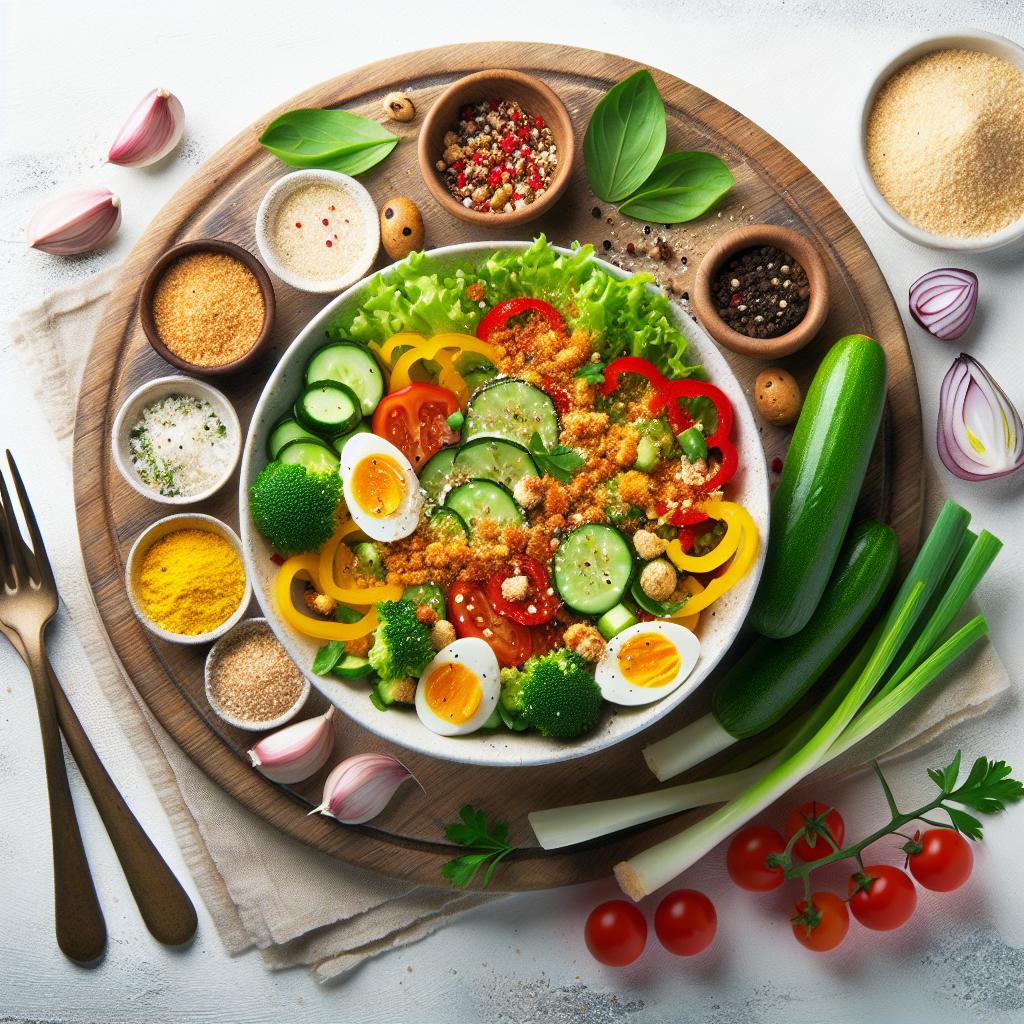
Sprinkle toasted dried breadcrumbs over creamy pasta dishes or vegetable gratins for a satisfying crunch and nutty aroma. Use fresh breadcrumbs when crafting juicy meatballs to bind ingredients without drying. Garnish with fresh herbs like parsley or basil, adding a vibrant burst of color and flavor to your final presentation.
| Nutrient | Amount per 1/4 cup |
|---|---|
| Calories | 110 |
| Protein | 4 g |
| Carbohydrates | 20 g |
| Fat | 1.5 g |
Learn more about perfecting breadcrumb textures from Bon Appétit.
For additional innovative breadcrumb recipes, visit our breadcrumb variations guide.

Q&A
Q&A: Crunch Time – Fresh vs. Dried Breadcrumbs Demystified
Q1: What’s the big difference between fresh and dried breadcrumbs?
A: Fresh breadcrumbs are soft, fluffy, and moist, made from bread straight out of the oven or slightly stale. Dried breadcrumbs, on the other hand, are crispy, crunchy, and have that golden-brown finish because they’ve been toasted or baked until completely dry. Think of fresh breadcrumbs as the cozy cushion in your dish, while dried breadcrumbs bring the signature crunch.
Q2: Can fresh and dried breadcrumbs be used interchangeably in recipes?
A: Sort of, but with a pinch of caution! Fresh breadcrumbs add moisture and tenderness, perfect for meatballs, stuffing, or thickening sauces. Dried breadcrumbs excel in creating a crispy coating or crunchy topping. Swapping one for the other might require adjusting the moisture content or cooking time to get the texture just right.
Q3: How do fresh breadcrumbs affect the final texture of dishes?
A: Fresh breadcrumbs absorb liquids like a sponge, helping to bind ingredients without making the dish dry. They contribute a soft bite and subtle bread flavor, making dishes like meatloaf or crab cakes tender and flavorful.
Q4: Why do dried breadcrumbs give that irresistible crispiness?
A: Dried breadcrumbs have less moisture, so when baked or fried, they toast evenly and develop that golden crunch. Their dry texture helps create a barrier around food, locking in juices while delivering that delightful snap with every bite.
Q5: Are there any health differences between fresh and dried breadcrumbs?
A: Nutritionally, they’re pretty similar-both are essentially bread in crumb form. However, homemade fresh breadcrumbs avoid preservatives and additives sometimes found in store-bought dried varieties. Plus, using whole-grain bread for either type can boost fiber content.
Q6: How can I make my own fresh or dried breadcrumbs at home?
A: For fresh breadcrumbs, simply pulse a few slices of soft bread in a food processor until finely ground. For dried breadcrumbs, first dry the bread slices in a low oven until crisp and then blitz into crumbs. This DIY method lets you control texture, flavor, and freshness.
Q7: What’s the best choice for a crispy coating on fried foods?
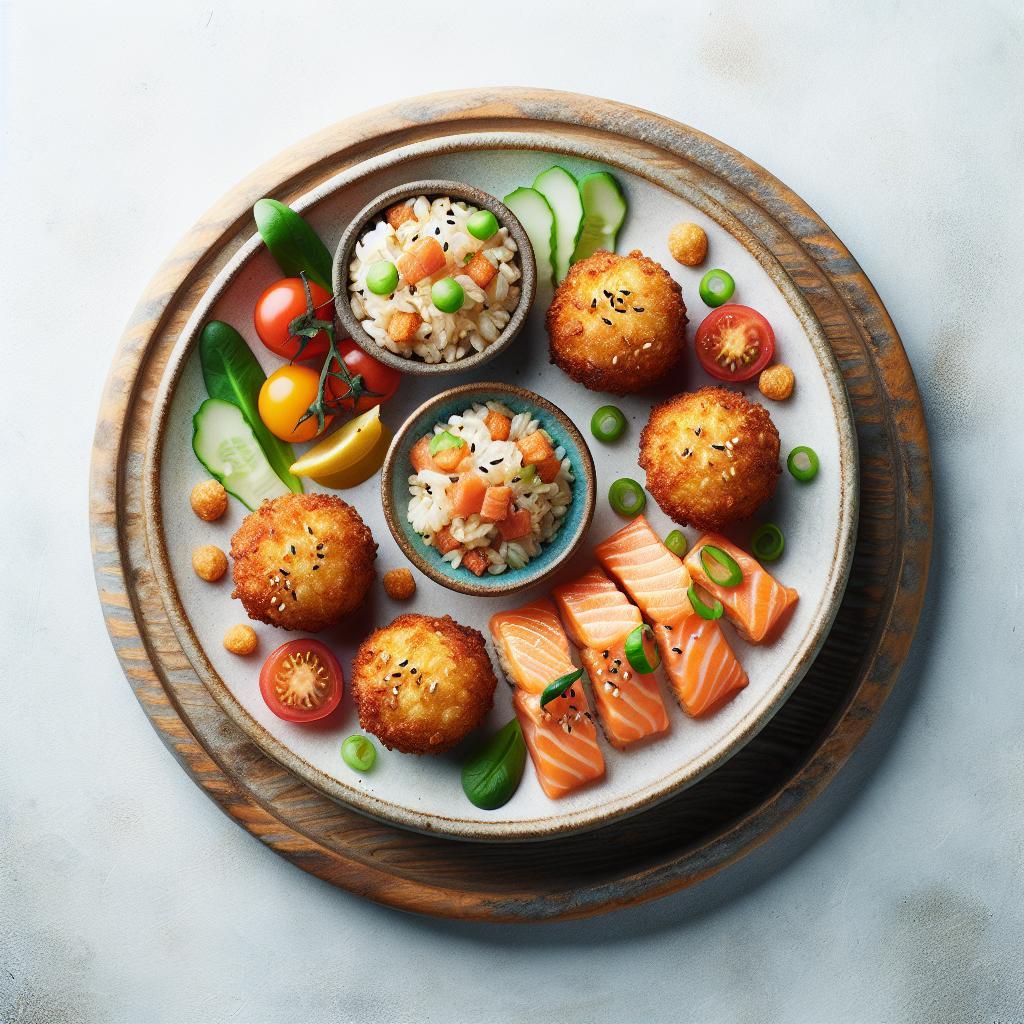
A: Dried breadcrumbs reign supreme here. Their crunch holds up to frying or baking and gives that golden-brown exterior everyone loves on chicken tenders, eggplant parm, or fish fillets.
Q8: Can fresh breadcrumbs be used as a topping?
A: They can, but they’ll produce a softer crust than dried crumbs. To get a crispy topping, you might toast the fresh breadcrumbs lightly before sprinkling on your dish.
Q9: Any pro tips to keep in mind when baking or frying with breadcrumbs?
A: Yes! Don’t overload your breadcrumbs-too thick a layer can become chewy or soggy inside. Also, season your breadcrumbs with herbs, spices, or cheese for an extra flavor punch before coating or topping.
Q10: What’s your final verdict: fresh or dried?
A: Both have their charm! Use fresh breadcrumbs for moisture and tenderness, and dried breadcrumbs for crunch and crispiness. Mastering their magic lets you elevate every meal from ordinary to extraordinary. Crunch time, indeed!
Future Outlook
As the final crumbs settle on this culinary showdown, it’s clear that both fresh and dried breadcrumbs hold their own unique magic in the kitchen. Whether you’re aiming for the tender, pillowy crunch of fresh crumbs or the reliably crisp, golden crust that dried breadcrumbs deliver, choosing between them is less about right or wrong and more about the flavor and texture journey you wish to embark on. So next time you find yourself at the crossroads of crunch time, remember: the breadcrumb path you take can transform your dish from ordinary to extraordinary. Happy cooking, and may your crumbs always be perfectly seasoned!