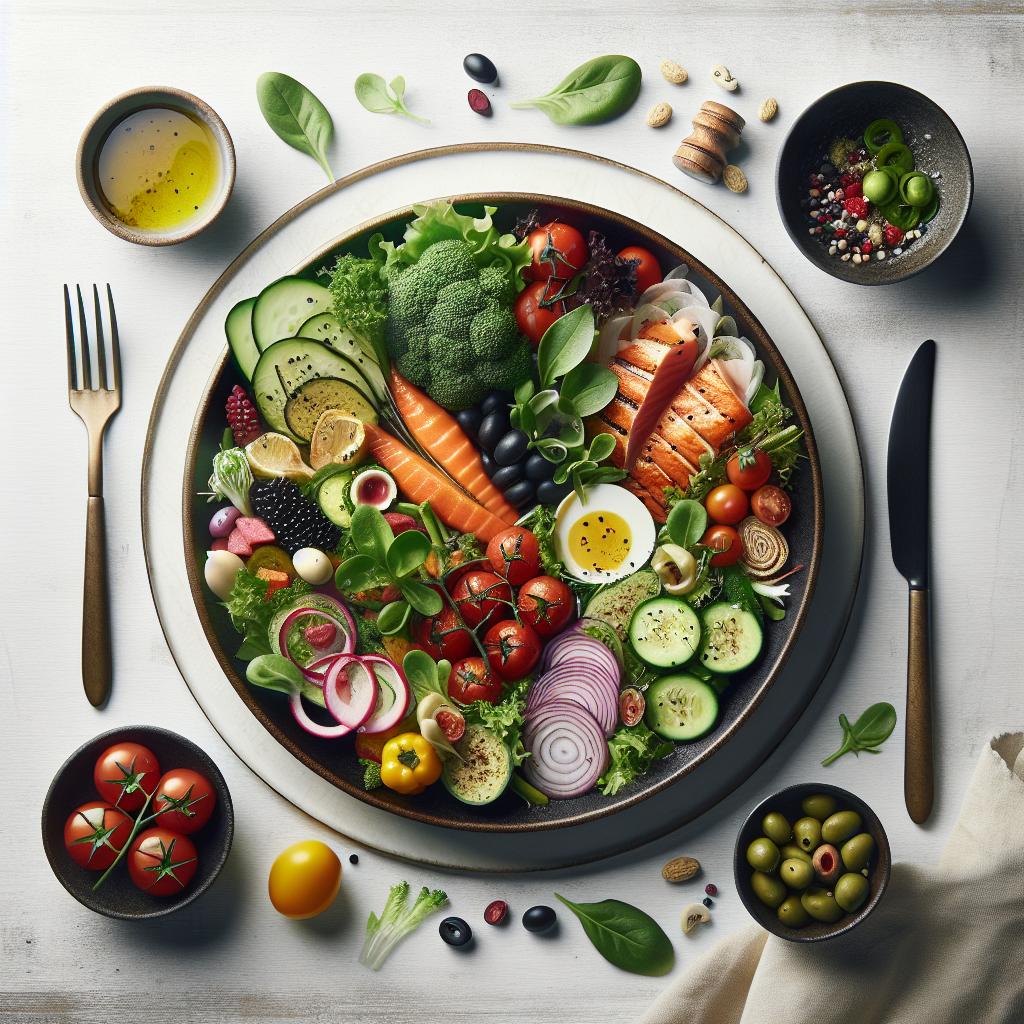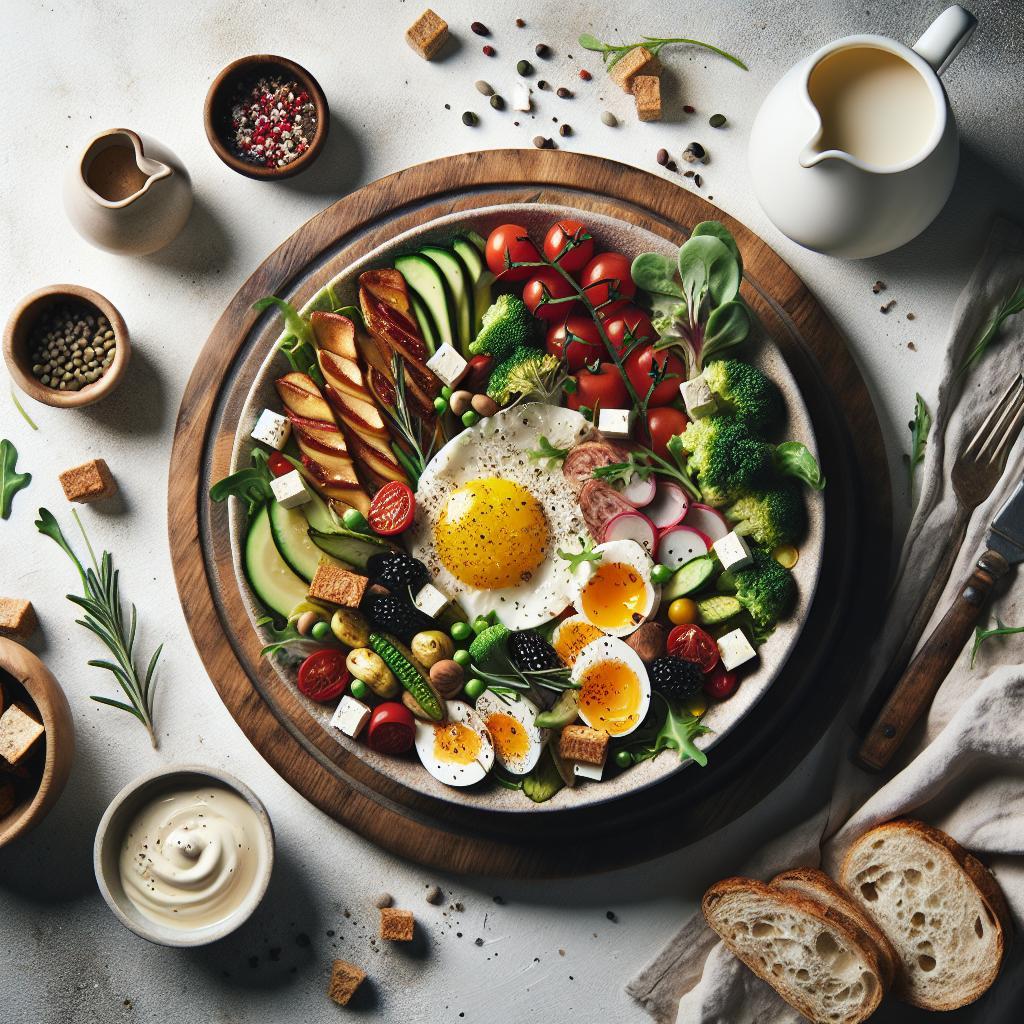

In a world brimming with choices and overflowing landfills, the quest for sustainability has never been more crucial-or more urgent. Enter the art of crafting the ultimate zero-waste meal plan: a smart and simple approach to eating that nourishes both body and planet. This isn’t just about tossing leftovers into a compost bin or banning plastic wrap; it’s a thoughtful, creative strategy to rethink every bite-from grocery list to the last crumb. Imagine transforming your kitchen into a hub of resourceful, delicious meals where no ingredient is wasted, no forkful forgotten. Join us as we explore practical tips, clever hacks, and inspiring ideas to help you savor food more sustainably-because a zero-waste meal plan isn’t just a choice, it’s a lifestyle revolution waiting on your plate.
Crafting the Ultimate Zero-Waste Meal Plan: Smart & Simple
Crafting the Ultimate Zero-Waste Meal Plan: Smart & Simple begins with embracing the beauty of seasonal, local ingredients and transforming everyday leftovers into culinary masterpieces. From my early days as a food stylist, I discovered that waste reduction is not just an eco-friendly choice-it’s a doorway to deeper creativity and flavor exploration in the kitchen. This approach invigorates cooking with fresh textures, vibrant colors, and bold tastes while honoring sustainability.
Prep and Cook Time
Preparation: 15 minutes
Cooking: 30 minutes
Total Time: 45 minutes
Yield
Serves 4 generously, with portions perfect for both family dinners and meal prep.
Difficulty Level
Easy to Medium – approachable for cooks of all levels striving to minimize waste.
Ingredients
- 2 cups mixed seasonal vegetables (such as carrots, zucchini, and bell peppers), chopped
- 1 cup cooked grains (quinoa, brown rice, or barley), ideally leftover
- 1/2 cup cooked and shredded chicken or canned chickpeas for a plant-based protein option
- 3 cloves garlic, minced
- 1 tablespoon extra virgin olive oil
- 1 teaspoon smoked paprika
- Salt and freshly ground black pepper to taste
- Juice of 1 lemon or preserved lemon rind for extra zing
- Fresh herbs – parsley, cilantro, or basil, chopped for garnish
- Optional: 1/4 cup toasted nuts or seeds (such as walnuts or pumpkin seeds)
Instructions
- Prepare the base: Heat the olive oil in a large sauté pan over medium heat. Add the minced garlic and sauté until fragrant, about 1 minute, being careful not to brown.
- Cook the vegetables: Add the chopped seasonal vegetables to the pan. Sauté until tender and lightly caramelized, roughly 8-10 minutes, stirring occasionally to prevent sticking.
- Incorporate protein and grains: Stir in the shredded chicken or chickpeas along with the cooked grains. Mix thoroughly to combine flavors evenly.
- Season generously: Sprinkle smoked paprika, salt, and pepper over the mixture. Stir to coat and allow the spices to toast lightly for 2 minutes.
- Add brightness: Remove the pan from heat and stir in the fresh lemon juice or finely chopped preserved lemon rind to lift the dish’s flavor profile.
- Garnish and finish: Transfer to a serving dish and sprinkle fresh herbs alongside toasted nuts or seeds for crunch and contrast.
- Serve warm or cool: This dish shines both as a warm entrée or chilled for a refreshing meal prep option.
Chef’s Notes
- Experiment with whatever seasonal vegetables or grains you have on hand-zero waste means embracing what’s locally available and fresh.
- Substitute protein sources as desired: leftover turkey, tofu, or even scrambled eggs work beautifully.
- Whenever you cook grains or proteins, prepare extra to use in future zero-waste recipes.
- To extend shelf life, store leftover herbs wrapped in a damp paper towel inside an airtight container.
- For a vegan twist, replace chicken with sautéed mushrooms and chickpeas, and swap lemon juice for a splash of apple cider vinegar for acidity.
Serving Suggestions
Present with a vibrant drizzle of herb-infused olive oil or a dollop of tangy yogurt to contrast the roasted veggies’ earthiness. Serve alongside crusty rustic bread or a simple green salad to create a balanced meal that feels thoughtfully crafted and satisfying. For an eye-catching plate, sprinkle microgreens and edible flowers that echo the zero-waste ethos by utilizing every garden bounty.

| Nutrient | Per Serving |
|---|---|
| Calories | 320 kcal |
| Protein | 18 g |
| Carbohydrates | 35 g |
| Fat | 9 g |
To explore more smart kitchen hacks and get inspired with sustainable cooking techniques, visit our Sustainable Meal Prep Tips guide. For further scientific insights into waste reduction and food sustainability, check out resources from EPA’s official site on food waste reduction.
Q&A
Q&A: Crafting the Ultimate Zero-Waste Meal Plan: Smart & Simple
Q1: What exactly is a zero-waste meal plan?
A: Think of a zero-waste meal plan as your culinary blueprint for minimizing food waste at every step. It’s not just about leftovers-it’s about intentional shopping, clever cooking, and smart storage that collectively shrink your food footprint to near zero. The goal? Delicious, nutritious meals created with minimal waste and maximum flavor.
Q2: Why should I consider going zero-waste in my kitchen?
A: Beyond saving money, zero-waste cooking champions the planet. Food waste contributes significantly to global greenhouse gas emissions, so by cutting down on scraps, you’re trimming your carbon footprint. Plus, it challenges you to get creative, refine your cooking skills, and truly savor every bite.
Q3: What’s the first step to building a zero-waste meal plan?
A: Start with a smart inventory check. Before shopping, take stock of what’s already in your pantry, fridge, and freezer. This prevents overbuying and helps you plan meals that use up existing ingredients. Planning around what you have is the foundation of zero-waste success.
Q4: How do I shop for zero-waste meals without feeling overwhelmed?
A: Opt for loose produce instead of pre-packaged, bring your own reusable bags, and choose ingredients with minimal or compostable packaging. Buy seasonal, local foods-they’re fresher, last longer, and reduce ecological costs. Pro tip: focus on versatile ingredients that can be repurposed across multiple meals.
Q5: Can leftovers really be tasty or just a last resort?
A: Absolutely, leftovers are culinary gold! With a pinch of creativity, yesterday’s roast can transform into today’s vibrant salad topping or hearty soup base. Embrace meal reincarnation-turn scraps and ends into stocks, sauces, or even snacks. Zero waste means zero flavor lost.
Q6: What are some smart storage tips to keep food fresh longer?
A: Invest in airtight containers, beeswax wraps, and glass jars. Store herbs like flowers in water, keep root vegetables in cool, dark places, and learn which fruits should be kept separate to avoid premature ripening. Proper storage is your secret weapon to extend freshness and prevent spoilage.
Q7: How can meal prepping fit into a zero-waste lifestyle without creating more waste?
A: Prepping meals in reusable containers reduces impulse buys and food spoilage during busy weeks. Plan portions carefully to avoid excess, and reuse scraps in creative ways. When done thoughtfully, meal prepping streamlines your week and complements zero-waste principles beautifully.
Q8: Are zero-waste meal plans complicated or time-consuming?
A: Not at all! Once you establish your rhythm, zero-waste cooking is both simple and satisfying. With a focus on whole foods, batch cooking, and mindful shopping, you save time and reduce stress while nurturing the planet and your palate.
Q9: How can beginners start small and gradually adopt zero-waste meal planning?
A: Start with one meal a day-maybe zero-waste breakfasts or lunches-and build from there. Experiment with using vegetable scraps for broth, or commit to shopping without single-use plastics once a week. Small, consistent steps lead to lasting habits.
Q10: Where can I find inspiration and recipes for zero-waste meals?
A: Dive into blogs, social media accounts, and cookbooks dedicated to sustainable cooking. Communities focused on zero-waste living are treasure troves of tips, swaps, and tasty recipes. Remember, your kitchen creativity is unlimited-each meal is an opportunity to innovate and reduce waste!
Zero-waste meal planning isn’t just a trend-it’s a mindful, flavorful path that turns everyday cooking into an eco-friendly adventure. Ready to start? Your planet, your pantry, and your palate will thank you.
Final Thoughts
As we wrap up our journey through crafting the ultimate zero-waste meal plan, remember that simplicity and intention are your greatest allies. Embracing a zero-waste lifestyle doesn’t demand perfection; it invites creativity, mindfulness, and a deep appreciation for every ingredient. By planning smartly, shopping thoughtfully, and savoring every bite, you not only nourish your body but also honor the planet. So, take these ideas as your blueprint-customize, experiment, and let your kitchen become a vibrant hub of sustainability. After all, the path to zero waste is paved one delicious, thoughtful meal at a time.