
There’s something truly magical about the aroma of warm, freshly baked bread-especially when it carries the sun-soaked flavors of the Mediterranean. Crafting the perfect homemade Mediterranean flatbread is more than just a culinary task; it’s an art form that invites you to explore ancient traditions, wholesome ingredients, and simple techniques. Whether used as a vessel for vibrant dips, a base for colorful toppings, or a comforting accompaniment to your favorite dishes, this flatbread holds a special place in kitchens and hearts across the region. In this guide, we’ll walk you through each step of creating your own flawless flatbread at home, unlocking secrets that turn basic dough into a golden, chewy delight that transports you straight to the Mediterranean coast. Get ready to roll up your sleeves, warm your oven, and embark on a flavorful journey that celebrates heritage and homemade goodness.
Crafting Perfect Homemade Mediterranean Flatbread: A Guide
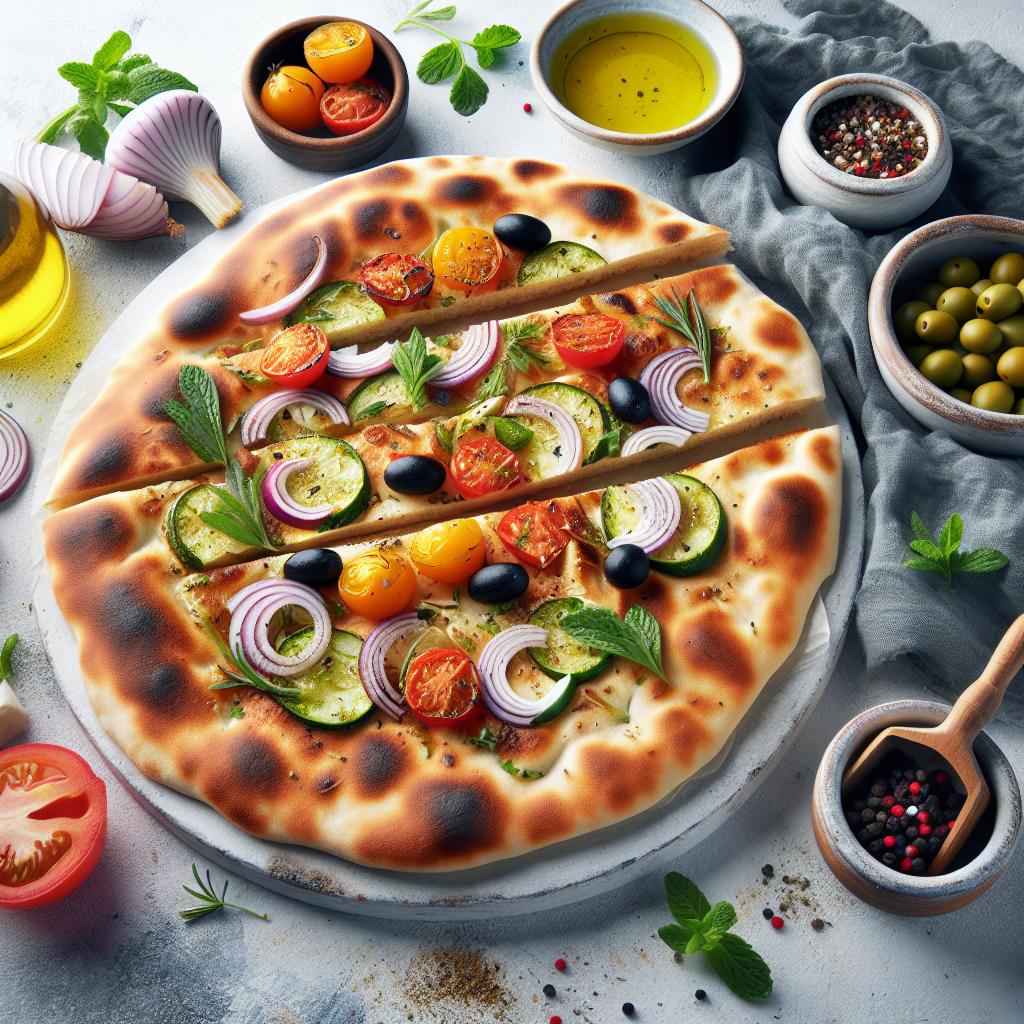
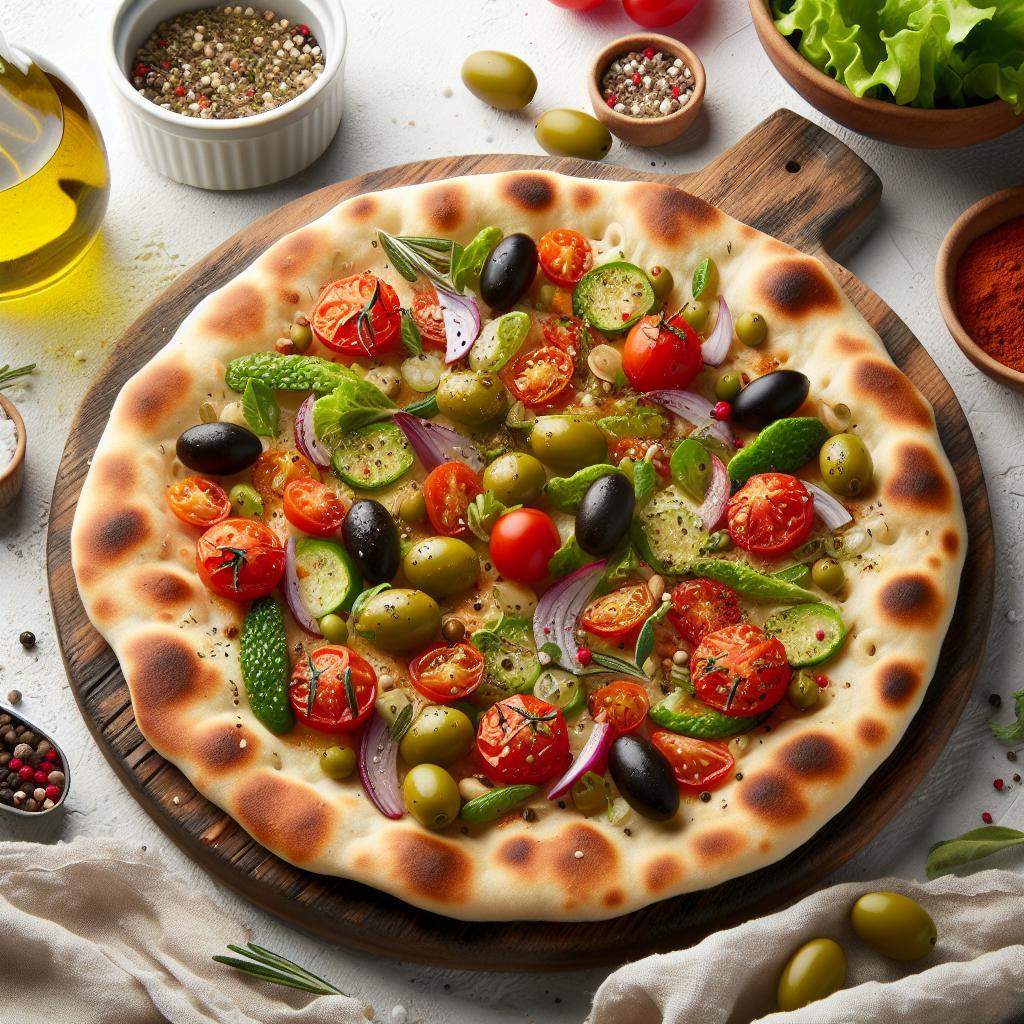
Crafting perfect homemade Mediterranean flatbread brings together the rich culinary heritage of the sun-kissed Mediterranean shores and the joy of artisanal baking. This staple, with its warm, golden crust and fluffy yet crisp texture, instantly transports you to bustling markets and cozy tavernas where olive oil, fresh herbs, and vibrant flavors reign supreme. Through careful ingredient selection, expert dough handling, and inspired toppings, you’ll create a flatbread that feels both timeless and invitingly modern.
Prep and Cook Time
Preparation: 20 minutes (plus 1 hour dough resting)
Cooking: 10-12 minutes
Total Time: Approximately 1 hour 30 minutes
Yield
Makes 4 medium-sized Mediterranean flatbreads (serves 4-6)
Difficulty Level
Intermediate – perfect for those familiar with basic dough techniques and eager to elevate their baking skills
Ingredients
- 2 cups all-purpose flour, sifted for a light texture
- 1 tsp fine sea salt
- 1 tsp active dry yeast or instant yeast
- ¾ cup warm water (about 110°F / 43°C)
- 2 tbsp extra virgin olive oil, plus extra for greasing and finishing
- 1 tsp honey or agave syrup to feed the yeast
- Optional toppings: crumbled feta, kalamata olives, fresh rosemary, za’atar spice, sliced cherry tomatoes, and arugula
Instructions
- Activate the yeast: In a small bowl, whisk together warm water, honey, and yeast. Let it sit for 5-7 minutes until foamy and bubbly-this ensures your yeast is alive and ready to work.
- Combine dry ingredients: In a large mixing bowl, mix the sifted flour and sea salt. Make a well in the center.
- Form the dough: Pour the yeast mixture and 2 tablespoons of olive oil into the flour well. Gently stir with a wooden spoon until the dough begins to come together.
- Knead the dough: Transfer to a floured surface and knead for 8-10 minutes until smooth and elastic. If the dough is sticky, add flour a tablespoon at a time, but keep it soft and pliable.
- First rest: Lightly oil a bowl and place the dough inside, turning to coat. Cover with a damp cloth and let it rest in a warm spot for 1 hour, or until doubled in size.
- Shape the flatbread: Punch down the dough and divide it into 4 equal portions. Roll each into an oval or round disc about ½ inch thick on a lightly floured surface.
- Preheat your oven: Set to 475°F (245°C) and place a baking stone or inverted baking sheet inside to heat up. This mimics traditional brick oven heat for a crispier crust.
- Second rest: Let the shaped flatbreads rest on parchment paper for 10 minutes to relax the gluten for a tender crumb.
- Bake and crisp: Using a pizza peel or the back of a baking sheet, transfer 1-2 flatbreads, parchment and all, onto the hot stone or baking surface. Bake for 10-12 minutes until the crust is golden with charred spots and the edges are puffed.
- Finish with olive oil: Remove from the oven, brush generously with extra virgin olive oil, and add toppings immediately if desired.
Tips for Success
- Use warm (not hot) water to activate yeast. Temperatures above 130°F (54°C) can kill it.
- Double resting is key: The first rise develops flavor, while the second relaxes your dough for perfect shaping.
- Don’t overload on flour; a slightly sticky dough creates an airy flatbread interior.
- For a rustic look, let some bubbles form naturally rather than deflating too much before baking.
- Experiment with herbs like fresh oregano or za’atar sprinkled on top before baking for authentic aroma.
- Make-ahead tip: Dough freezes beautifully. Thaw overnight in the refrigerator and rest again before shaping.
Serving Suggestions
Serve this Mediterranean flatbread warm, drizzled with extra virgin olive oil and sprinkled with flaky sea salt. Pair with tangy crumbled feta and juicy kalamata olives for a traditional experience, or top with sliced heirloom tomatoes and fresh arugula for a fresh, modern twist. Accompany with homemade hummus or smoky babaganoush for a vibrant mezze platter.
For a festive touch, try garnishing with edible flowers and a sprinkle of sumac for a pop of color and zesty flavor.

| Nutritional Information (per serving) | Amount |
|---|---|
| Calories | 220 |
| Protein | 6g |
| Carbohydrates | 30g |
| Fat | 7g |
For more recipes inspired by Mediterranean classics, explore our Mediterranean Cuisine Collection. Dive deeper into the magic of yeast baking with King Arthur Baking’s expert flatbread guide.
Q&A
Q: What makes Mediterranean flatbread unique compared to other breads?
A: Mediterranean flatbread is a celebration of simplicity and flavor. Unlike heavily leavened breads, it’s typically thin, soft yet slightly crispy, and infused with aromatic herbs and olive oil that evoke the sun-drenched shores of the Mediterranean. Its versatility and rustic charm make it a beloved companion to dips, grilled veggies, and savory spreads.
Q: What are the essential ingredients for crafting Mediterranean flatbread at home?
A: At its heart, the magic lies in a few humble ingredients: all-purpose flour, warm water, olive oil, a pinch of salt, and yeast or baking powder as a leavening agent. To elevate the bread, fresh herbs like rosemary, za’atar, or oregano can be sprinkled in or brushed atop before baking.
Q: How important is the dough resting time in making perfect flatbread?
A: Patience is a baker’s best friend! Allowing the dough to rest and rise-even if briefly-enhances gluten development, resulting in a tender yet chewy texture. This resting time also gives the yeast a chance to work its gentle magic, creating those tiny pockets of air that make the flatbread pleasantly light.
Q: Can I make Mediterranean flatbread without yeast?
A: Absolutely! While yeast lends a soft, airy quality, baking powder is a fantastic alternative for a quicker flatbread. It will yield a slightly denser texture but remains deliciously pliable. Just mix and cook immediately-no rising necessary!
Q: What cooking methods work best for Mediterranean flatbread?
A: Traditional Mediterranean flatbread is often baked in a hot oven or cooked on a skillet. Oven baking provides that alluring golden crust, while skillet cooking offers a quick route to a tender, charred edge reminiscent of wood-fired flatbreads. Whichever you choose, a hot surface is key.
Q: How can I add authentic Mediterranean flavors to my flatbread?
A: Think fragrant and fresh! Drizzle good-quality olive oil generously, sprinkle coarse sea salt, and adorn with chopped herbs like thyme, minted za’atar, or crushed garlic. For a smoky twist, add toasted sesame seeds or nigella seeds on top before baking.
Q: What dishes pair best with homemade Mediterranean flatbread?
A: The possibilities are endless! Use it as a canvas for Mediterranean dips like hummus, baba ganoush, or tzatziki. Wrap it around grilled meats or falafel, or serve alongside vibrant salads and roasted vegetables for a truly authentic feast.
Q: Any tips for storing and reheating flatbread to maintain freshness?
A: Store your flatbread wrapped tightly in foil or plastic wrap at room temperature for up to two days. To revive its softness, warm it briefly in a skillet or wrap in foil and heat in the oven. Avoid microwaving as it can make the bread chewy or rubbery.
Crafting perfect homemade Mediterranean flatbread is a rewarding journey of simple ingredients transformed by time, heat, and love-each bite a little taste of the Mediterranean sunshine on your table.
In Conclusion
As the aroma of your freshly baked Mediterranean flatbread fills the kitchen, you’ve not only crafted a delicious base for vibrant flavors but also embraced a timeless culinary tradition. With simple ingredients and a touch of patience, homemade flatbread transforms everyday meals into memorable feasts. Whether you’re wrapping savory fillings or dipping into vibrant spreads, this guide has equipped you to create flatbreads that are as versatile as they are irresistible. So go ahead-let your creativity rise alongside the dough, and bring the warmth of the Mediterranean table into your home, one perfect flatbread at a time.