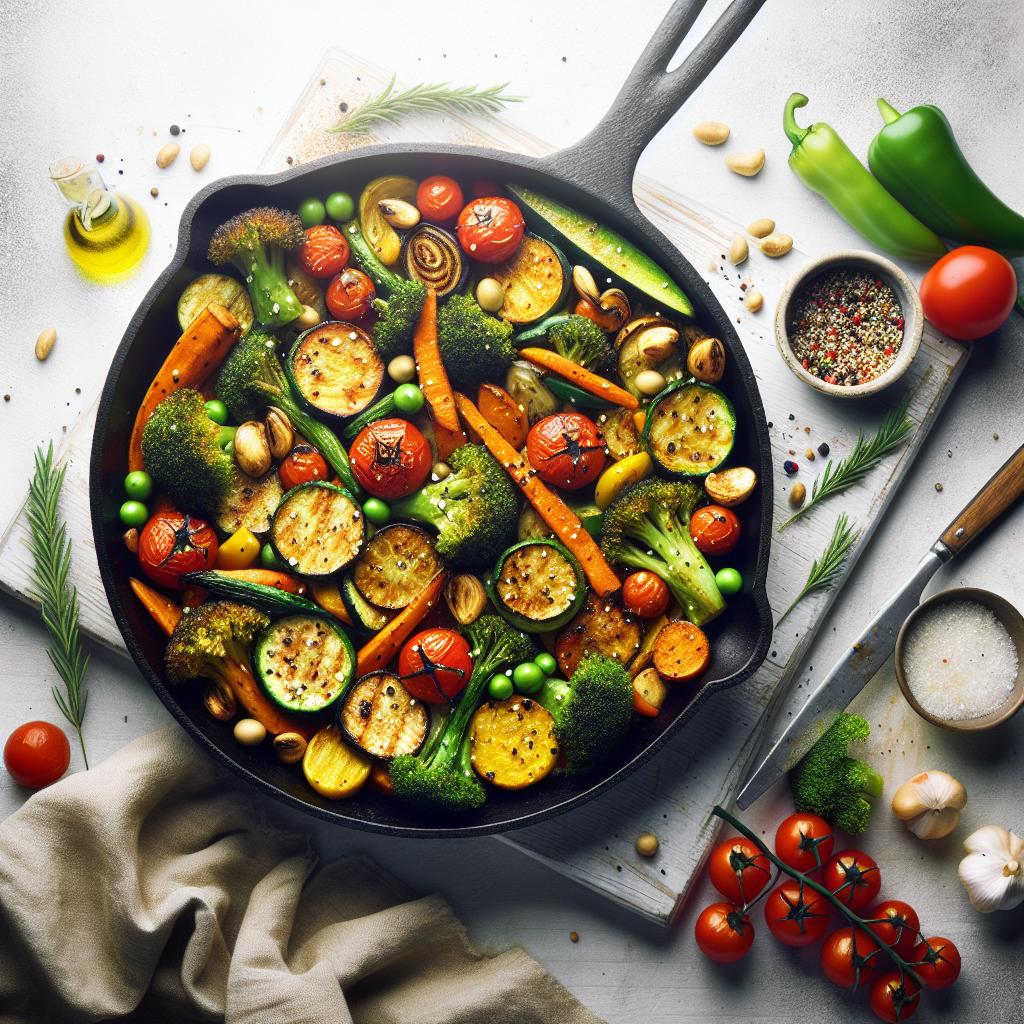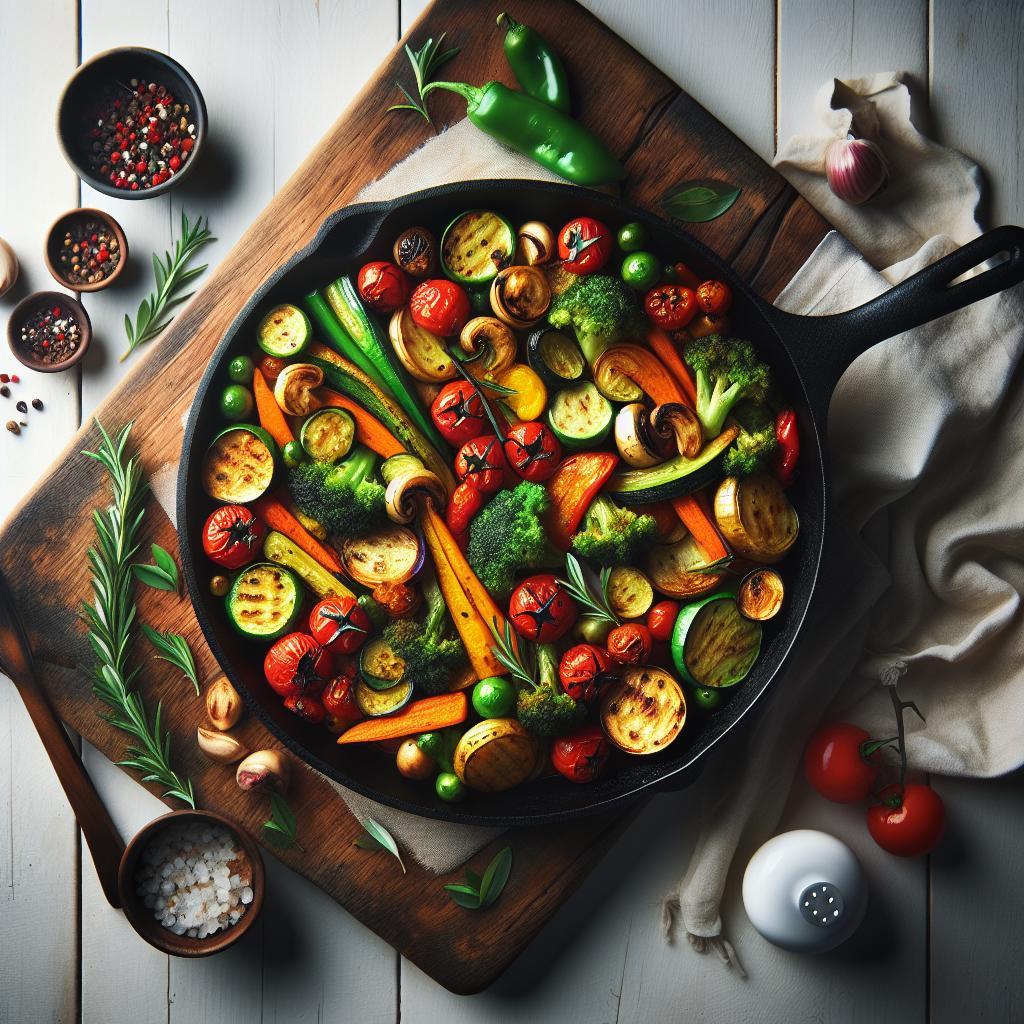

There’s something magical about the sizzle of fresh vegetables hitting a hot skillet-the way vibrant colors deepen, edges crisp, and natural sugars caramelize into bites of pure delight. Whether you’re a seasoned home chef or just beginning to embrace the art of vegetable roasting, mastering the skillet method unlocks a world of flavor and texture that transforms humble produce into the star of any meal. In this ultimate roasted vegetable skillet guide, we’ll explore essential tips, flavor combinations, and expert techniques to help you savor every bite-turning simple veggies into unforgettable dishes that nourish both body and soul. Ready to ignite your stove and elevate your veggie game? Let’s dive in!
Savor Every Bite: The Ultimate Roasted Vegetable Skillet Guide offers an inspired journey into the art of turning simple, fresh vegetables into a symphony of smoky, caramelized, and herbaceous flavors. Rooted in the tradition of rustic hearth cooking yet elevated for modern kitchens, this approach brings out the very best in seasonal produce. Whether you’re aiming for weeknight charm or a centerpiece side for gatherings, mastering these techniques guarantees a skillet brimming with depth and vibrant character.
Prep and Cook Time
- Preparation: 15 minutes
- Cook: 40 minutes
- Total Time: 55 minutes
Yield
Serves 4 as a hearty side dish or 2-3 as a main vegetarian entrée.
Difficulty Level
Easy to Medium – perfect for home cooks looking to elevate their skillet game.
Ingredients
- 3 cups mixed vegetables (e.g., sweet potatoes, bell peppers, zucchini, baby carrots, trimmed and chopped into uniform pieces)
- 2 tbsp extra-virgin olive oil
- 1 tsp smoked paprika
- 1 tsp dried oregano
- 1/2 tsp ground cumin
- 1 tbsp fresh rosemary, finely chopped
- 3 cloves garlic, minced
- Salt and freshly ground black pepper, to taste
- 1/4 cup fresh parsley, chopped for garnish
- 1/2 lemon (zested and juiced)
Instructions
- Preheat your oven to 425°F (220°C). This high heat is essential for achieving that perfect roasted caramelization without drying out the vegetables.
- Prepare the vegetables by washing and cutting them into evenly sized pieces, approximately 1 to 1.5 inches, ensuring uniform cooking and a beautiful roast.
- In a large skillet (preferably oven-safe cast iron), drizzle the olive oil and warm over medium heat. Add the minced garlic and cook briefly until fragrant but not browned-about 30 seconds.
- Toss the vegetables into the skillet, stirring to coat evenly with the olive oil and garlic. Sprinkle with smoked paprika, oregano, cumin, rosemary, salt, and pepper. Mix well so each piece is kissed by the spices.
- Place the skillet in the preheated oven. Roast uncovered for 25-30 minutes, stirring halfway through to encourage even browning and prevent sticking.
- Check for tenderness by piercing the largest pieces with a fork. The vegetables should be fork-tender and slightly crisp around the edges.
- Remove from oven, and immediately sprinkle the fresh lemon zest and juice over the roasted vegetables. Toss gently to brighten the flavors and add a subtle zing.
- Garnish with fresh parsley, then serve hot straight from the skillet for a rustic yet memorable presentation.
Tips for Success
- Choosing vegetables: Go for a balance of starchy (sweet potatoes, carrots), soft (zucchini, eggplant), and crunchy (bell peppers, green beans) to create layered textures that excite the palate.
- Spice swaps: If you prefer a milder profile, swap smoked paprika for sweet paprika and omit cumin. Or introduce a pinch of coriander for aromatic warmth.
- Make-ahead: Roast vegetables a day before, then reheat in a hot skillet or oven to restore crispness without losing charm.
- Skillet alternatives: If you lack an oven-safe skillet, roast veggies on a rimmed baking sheet and toss with garlic oil and herbs post-roast.
- Avoid overcrowding: Spreading vegetables in a single layer ensures proper roasting rather than steaming.
Creative Serving Ideas to Elevate Your Skillet Experience
Transform your roasted vegetable skillet into an indulgent main or a festive side. Top with crumbled feta or toasted pine nuts for extra crunch. Pair the dish alongside a cooling cucumber-yogurt sauce or drizzle with a bright balsamic glaze. For a wholesome meal, nestle the roasted vegetables over fluffy couscous or quinoa, accentuating the earthy undertones with a sprinkle of za’atar. Garnish garnishing with finely chopped fresh herbs and a wedge of lemon invites each diner to customize their bite.
| Nutrient | Per Serving |
|---|---|
| Calories | 190 kcal |
| Protein | 3 g |
| Carbohydrates | 28 g |
| Fat | 7 g |
Discover more seasonal roasting tips to keep your meals fresh year-round. For a deeper dive into herb pairing science, MasterClass’s expert guide on herbs and spices provides excellent insights.

Q&A
Q&A: Savor Every Bite – The Ultimate Roasted Vegetable Skillet Guide
Q1: What makes roasted vegetables in a skillet different from oven roasting?
A1: Roasting vegetables in a skillet offers a hands-on, quick-cooking experience that lets you achieve caramelized edges and tender centers with a beautiful sear. Unlike the steady heat of an oven, the skillet’s direct contact with the pan creates layers of flavor through Maillard browning, offering a slightly smokier, more intense taste with a delightful crispness. Plus, it’s perfect for when you want your veggies ready faster!
Q2: Which vegetables are best suited for roasting in a skillet?
A2: Choose vegetables that can withstand direct high heat without turning mushy-think hearty root veggies like carrots, sweet potatoes, and beets, as well as bell peppers, zucchini, mushrooms, and Brussels sprouts. These vegetables develop wonderful caramelization while maintaining a satisfying bite. Leafy greens or high-water-content veggies are better sautéed or added later in the cooking process.
Q3: How do I ensure even roasting in the skillet?
A3: The secret is to give your veggies enough room to breathe. Avoid overcrowding the pan, which traps steam and results in soggy veggies. Use a wide skillet and cook in batches if necessary. Also, toss your vegetables occasionally but gently to let all sides get that lovely, golden crust. Adjust heat as you go-start on medium-high to sear, and lower to medium to finish cooking through.
Q4: What seasoning combinations elevate skillet-roasted vegetables?
A4: Simplicity shines best here-olive oil, sea salt, black pepper, and a hint of garlic powder create a classic base. From there, experiment with bold herbs like rosemary, thyme, or smoked paprika for warmth and earthiness. For a zesty punch, add lemon zest or a drizzle of balsamic glaze after roasting. Don’t be afraid to toss in some crushed red pepper flakes for a subtle kick.
Q5: Can I make roasted vegetable skillet dishes vegan or gluten-free?
A5: Absolutely! Skillet-roasted veggies are naturally vegan and gluten-free-just be mindful of the oil and seasonings you use. Swap butter for plant-based oils like avocado or coconut oil and choose gluten-free spice blends. For protein, add chickpeas or tofu cubes to make a hearty, balanced meal.
Q6: How do I store and reheat leftover skillet-roasted vegetables?
A6: Cool leftovers quickly and store them in an airtight container in the fridge for up to 3-4 days. To reheat while keeping that crispy texture, pop them back into a hot skillet for a few minutes rather than microwaving. This quick re-sear will revive the caramelized magic and prevent sogginess.
Q7: Any pro tips for taking roasted vegetable skillets to the next level?
A7: Yes! Add a splash of acidity like apple cider vinegar or fresh lemon juice right before serving to brighten flavors. Finish with a sprinkle of toasted nuts or seeds for crunch, or crumble some cheese-feta or Parmesan-for a creamy, salty contrast. And don’t forget fresh herbs like parsley or basil; they add a burst of freshness that dances on your palate.
With these tips and tricks, your skillet-roasted vegetables will become the star of every meal-colorful, flavorful, and utterly irresistible. Savor every bite!
In Summary
As the last golden edges of your roasted vegetables glisten on the skillet, remember that each bite is a celebration of nature’s vibrant bounty. This guide has unlocked the secrets to mastering the art of roasting-balancing textures, coaxing out deep flavors, and embracing the simplicity of a well-seasoned pan. Whether you’re a seasoned chef or a kitchen novice, savoring every bite transforms a humble medley into a culinary masterpiece. So, fire up your stove, gather your freshest veggies, and let the skillet be your canvas for colorful, flavorful adventures that nourish both body and soul. Happy roasting!