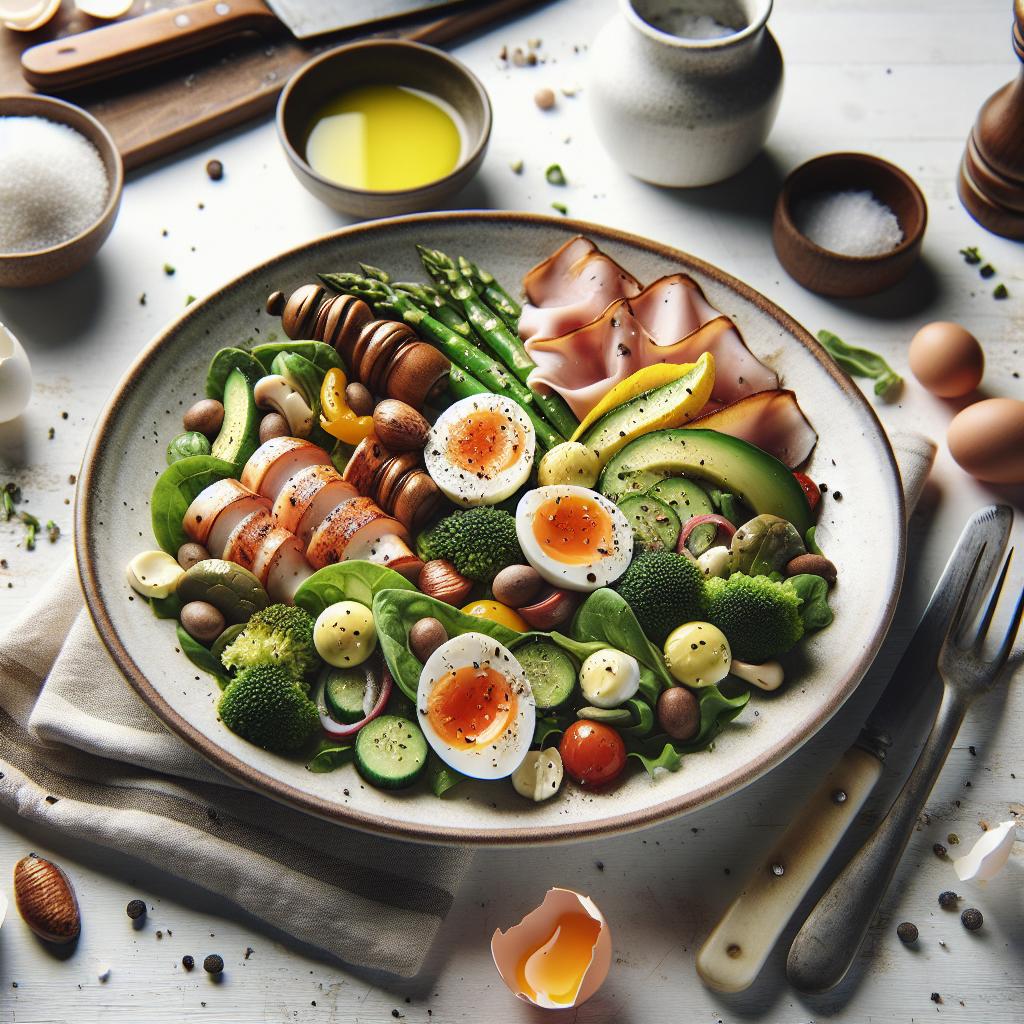

In a world that’s always rushing toward the new and shiny, there’s something quietly magical about the old-fashioned ways-especially when it comes to turning yesterday’s meals into today’s delights. “Timeless Tricks: Creative Old-Fashioned Leftover Uses” invites you on a journey through the kitchen archives, where wisdom passed down through generations reveals how leftovers can be transformed into mouthwatering treasures. From rustic reinventions to surprisingly simple hacks, these creative leftovers ideas don’t just save food, they celebrate it-proving that sometimes, the best flavors come from a little patience, imagination, and a dash of tradition. Ready to breathe new life into your forgotten fridge finds? Let’s dive in.
Timeless Tricks: Transforming Leftover Bread into Artisanal Croutons and Savory Strata
Timeless Tricks are essential tools in every kitchen, especially when it comes to reinventing everyday ingredients into something extraordinary. Today, we’re diving into the artful transformation of leftover bread – those once-forgotten crumbs and crusts – into artisanal croutons and a luxurious savory strata that will delight your senses and enliven your table.
Prep and Cook Time
- Preparation: 15 minutes
- Cook Time: 30 minutes (croutons), 45 minutes (strata)
- Total Time: 45 minutes – 1 hour
Yield
- Croutons: About 4 cups
- Savory Strata: Serves 6
Difficulty Level
- Easy to Medium
Ingredients
- 4 cups stale country-style bread, cut into 1-inch cubes
- 4 tbsp extra-virgin olive oil
- 2 tsp garlic powder
- 1 tsp dried Italian herbs
- Salt and freshly ground black pepper, to taste
- 8 large eggs
- 2 cups whole milk or cream
- 1 cup shredded Gruyère or sharp white cheddar cheese
- 1 cup roasted vegetables (bell peppers, zucchini, or eggplant), chopped
- 1/2 cup fresh spinach or kale, roughly chopped
- 1 small onion, finely diced
- 2 cloves garlic, minced
- 2 tbsp fresh parsley, chopped
- Butter or cooking spray, for greasing
Instructions
- Make the Artisanal Croutons: Preheat your oven to 375°F (190°C). In a large bowl, toss the bread cubes with olive oil, garlic powder, Italian herbs, salt, and pepper until evenly coated. Spread the cubes out on a baking sheet in a single layer.
- Bake: Roast in the preheated oven for 20-25 minutes, stirring halfway through, until the croutons are golden brown and crisp. Allow to cool completely before using or storing in an airtight container.
- Prepare the Strata Base: In a medium skillet over medium heat, sauté onion and garlic in a splash of olive oil until translucent and fragrant, about 5 minutes. Add roasted vegetables and greens, cooking for another 3 minutes until the greens wilt slightly. Remove from heat.
- Mix the Custard: In a large mixing bowl, whisk together eggs, milk (or cream), salt, pepper, and half of the shredded cheese until well combined.
- Assemble the Strata: Grease a 9×13-inch baking dish with butter or cooking spray. Layer half of the bread cubes evenly in the dish, scatter half of the sautéed vegetable mixture on top, and sprinkle with half the fresh parsley. Repeat the layering with the remaining bread, vegetables, and parsley.
- Pour Custard: Slowly pour the egg mixture over the layered bread and vegetables, pressing gently with a spatula to ensure the bread absorbs the custard. Sprinkle the remaining cheese over the top.
- Rest: For best results, cover and refrigerate the strata for at least 1 hour or overnight to fully soak, enhancing the texture and flavor.
- Bake: Preheat oven to 350°F (175°C). Remove the strata from the fridge, bake uncovered for 40-45 minutes until puffed, golden, and set in the center. A knife inserted should come out clean.
- Cool and Serve: Allow the strata to rest for 10 minutes before slicing. Garnish with extra fresh parsley or a light drizzle of herb-infused olive oil for a gourmet finish.
Tips for Success
- Use day-old or slightly stale bread for croutons and strata; fresh bread may turn soggy rather than crisp and absorbent.
- Customize your strata with any leftover roasted vegetables or even cooked sausage for a heartier dish.
- For an extra flavor boost, mix finely grated Parmesan cheese into the egg custard.
- Croutons stay fresh for up to a week stored in an airtight container, perfect for salads or soups.
- If you’re short on time, let the custard soak for 20 minutes at room temperature before baking.
Serving Suggestions
This savory strata shines as a brunch centerpiece, paired wonderfully with a crisp mixed greens salad tossed with a tangy vinaigrette and a glass of chilled sparkling wine. For the croutons, sprinkle generously over Caesar or garden salads, or use as a crunchy garnish atop creamy soups like roasted tomato or butternut squash. Garnish your strata slices with fresh herbs such as chives or basil and a dollop of crème fraîche or a drizzle of balsamic reduction for added sophistication.

| Nutrient | Per Serving (Strata) |
|---|---|
| Calories | 310 kcal |
| Protein | 18 g |
| Carbohydrates | 24 g |
| Fat | 16 g |
For more inspiring ideas on breathing new life into classic dishes, check out our guide on reinventing roasted vegetables. Learn how pairing your leftovers with unexpected flavors can elevate any meal. For additional inspiration, visit Serious Eats, a treasure trove of culinary expertise and vintage recipes reinvented.
Q&A
Q&A: Timeless Tricks – Creative Old-Fashioned Leftover Uses
Q1: Why should I bother using old-fashioned methods to repurpose leftovers when modern recipes exist?
A1: Classic leftover hacks carry the charm of simplicity and sustainability. They remind us that good food never truly goes out of style. These age-old tricks transform yesterday’s meals into today’s delights with minimal effort and maximum flavor, proving that creativity doesn’t need a fancy kitchen gadget-just a bit of imagination and resourcefulness.
Q2: What are some classic leftover strategies that still work wonders today?
A2: Think of turning stale bread into crispy croutons or homemade breadcrumbs, repurposing roast vegetables into hearty frittatas, or reimagining boiled potatoes as golden hash browns. These methods have stood the test of time because they not only reduce waste but often enhance flavors in surprising ways.
Q3: How do old-fashioned leftover uses align with modern sustainability trends?
A3: Long before zero-waste became a buzzword, households ingeniously stretched their food to avoid waste. By adopting these historic habits, we connect with a tradition of mindful consumption, reducing food waste and saving money, all while honoring the legacy of resourceful cooks past.
Q4: Can these timeless tricks be adapted for today’s fast-paced lifestyle?
A4: Absolutely! Many old-fashioned leftover ideas are quick and versatile. For instance, whipping up a savory bread pudding or a quick soup from scraps takes minutes and requires no fancy ingredients. These tricks fit perfectly into busy schedules, turning leftover management into an easy, even enjoyable task.
Q5: Are there any safety tips to keep in mind when using leftovers old-school style?
A5: Yes, food safety is key. Always store leftovers in airtight containers and refrigerate promptly. When reheating, ensure the food reaches a safe temperature. Traditional wisdom pairs beautifully with modern hygiene to keep your creative meals both delicious and safe.
Q6: Where can I find inspiration for these old-fashioned leftover recipes?
A6: Dive into vintage cookbooks, family recipe boxes, or even grandma’s kitchen anecdotes. Many timeless tips are preserved in community traditions and historical cooking guides. Online forums dedicated to heritage cooking and zero-waste living also offer a treasure trove of ideas blending old and new.
Q7: What’s the most rewarding aspect of using these creative leftover tricks?
A7: Beyond saving money and reducing waste, repurposing leftovers through these timeless methods invites you to engage with food more thoughtfully. It transforms the mundane act of reheating into an art of reinvention, turning what could be forgotten scraps into dishes full of history and heart.
The Way Forward
As we’ve journeyed through these timeless tricks, it’s clear that yesterday’s leftovers hold a world of creative potential waiting to be unlocked. With a sprinkle of imagination and a dash of resourcefulness, those humble remnants can transform into culinary delights that defy the ordinary. Embracing these old-fashioned leftover uses not only breathes new life into your meals but also honors the wisdom of generations past-proving that sometimes, the best innovations are rooted in tradition. So next time you face a fridge full of extras, remember: leftovers aren’t just food; they’re an invitation to invent, savor, and celebrate sustainability in the most deliciously unexpected ways.