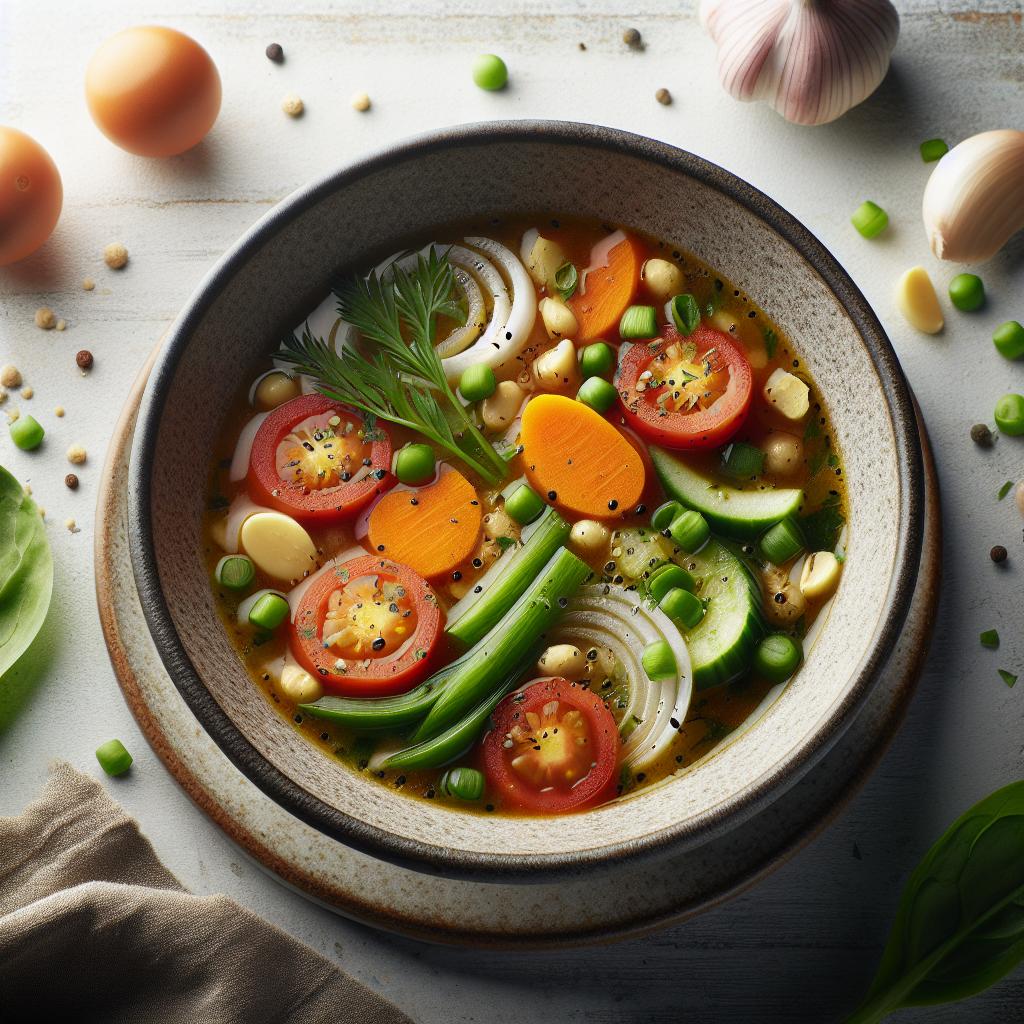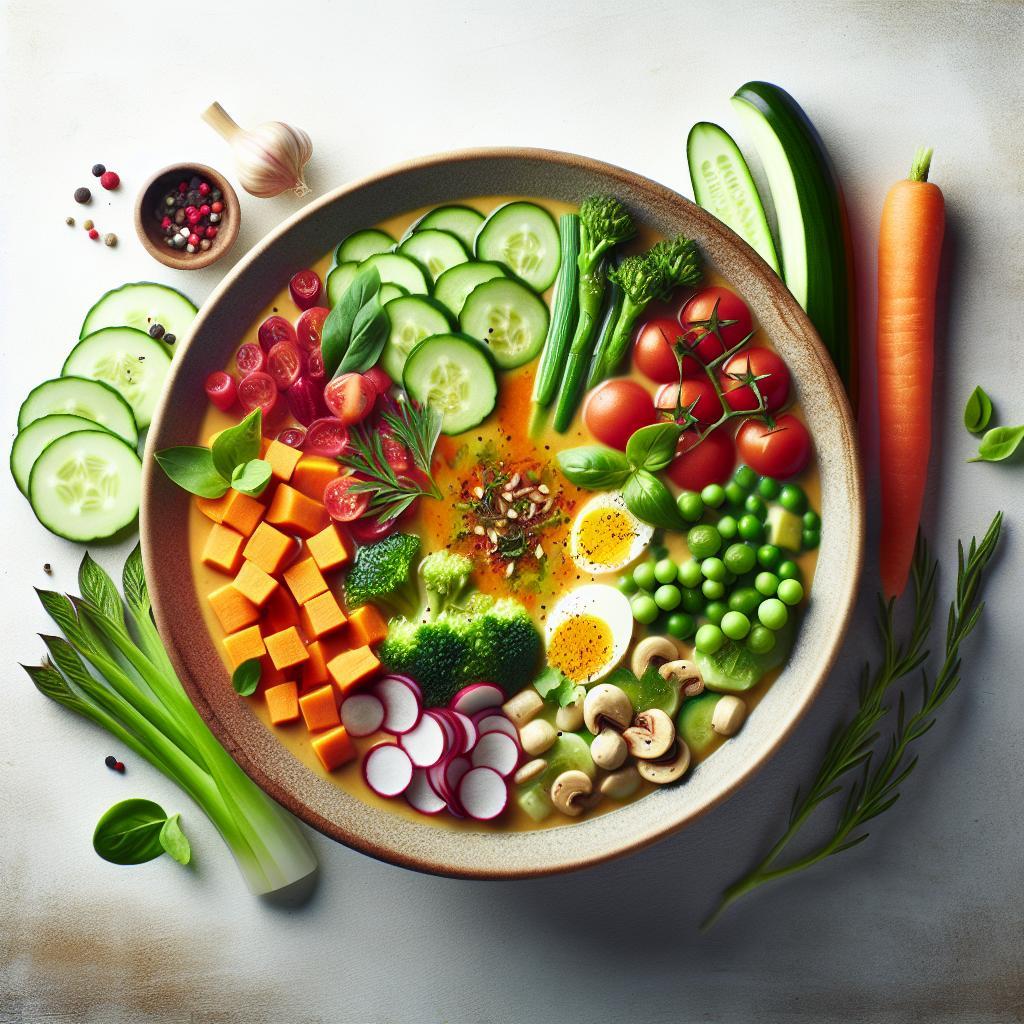

There’s an ancient magic simmering in every bowl of soup-a potion that warms the soul, stirs memories, and satisfies hunger in a way few other dishes can. But what is it that transforms a simple broth into a genuinely filling and satisfying experience? Beyond the obvious ingredients, there are subtle secrets and culinary alchemies at play. In this article, we’ll unravel the mysteries of texture, flavor balance, and nutrient harmony to discover what truly makes a bowl of soup more than just a starter, turning it into a complete, comforting meal that lingers long after the last spoonful. Welcome to the art and science of soup secrets.
Soup Secrets: What Truly Makes a Bowl Filling and Satisfying
Soup Secrets: What Truly Makes a Bowl Filling and Satisfying start with mastering the art of crafting rich broths that bring depth and warmth to every spoonful. A well-made broth breathes life into ingredients, transforming simple vegetables and proteins into a hearty, comforting dish that lingers on the palate and warms the soul. Drawing from family traditions and modern culinary techniques, this recipe unlocks the layered textures and nourishing qualities essential for the ultimate bowl.
Prep and Cook Time
- Preparation: 20 minutes
- Cooking: 2 hours 30 minutes
- Total Time: 2 hours 50 minutes
Yield
Serves 6 generously
Difficulty Level
Medium
Ingredients
- 3 lbs beef or chicken bones (preferably with marrow, roasted)
- 2 tablespoons olive oil
- 1 large onion, chopped
- 3 cloves garlic, smashed
- 3 large carrots, peeled and sliced
- 2 celery stalks, sliced
- 1 parsnip, diced (optional for sweetness)
- 1 cup chopped tomatoes or 2 fresh tomatoes diced
- 1 bay leaf
- 1 teaspoon whole black peppercorns
- A handful of fresh parsley stems
- 12 cups cold filtered water
- 1 cup cooked shredded chicken or beans (for protein boost)
- 2 cups chopped kale or spinach (for vegetable enrichment)
- Salt to taste
- Freshly ground black pepper, to finish
- Juice of half a lemon (optional, to brighten)
Instructions
- Roast the bones: Preheat your oven to 400°F (200°C). Place bones in a roasting pan, drizzle with olive oil, and roast for 30-40 minutes until deeply browned. This caramelization is the secret to a rich, flavorful broth.
- Prepare the aromatics: Meanwhile, chop onions, carrots, celery, and parsnip. Smash garlic to release oils without overpowering the broth.
- Simmer the broth: Transfer roasted bones to a large stockpot. Add cold water, ensuring bones are fully submerged. Bring to a gentle simmer over medium heat.
- Skim impurities: As it heats, skim off foam and scum with a ladle to keep your broth clear and bright.
- Add vegetables and spices: Toss in the chopped vegetables, tomatoes, bay leaf, peppercorns, and parsley stems. Reduce heat to low and let it simmer softly for 2 to 3 hours, partially covered.
- Strain and cool: Remove pot from heat. Using a fine-mesh sieve, strain broth into a clean container, pressing gently on solids to extract every flavorful drop. Discard solids or compost.
- Incorporate proteins and greens: Return broth to the pot. Add cooked shredded chicken or beans and chopped kale/spinach. Simmer gently for another 10 minutes until greens are tender but vibrant.
- Season and add brightness: Taste broth. Season with salt and freshly ground black pepper. Stir in lemon juice if desired to enhance flavors and add freshness.
Chef’s Notes
- The key to Soup Secrets: What Truly Makes a Bowl Filling and Satisfying lies in patient simmering-avoid boiling which can cloud your broth and toughen proteins.
- For a vegetarian option, replace bones with a medley of mushrooms, roasted garlic, and dried seaweed to replicate umami richness.
- Make extra broth and freeze in portions for quick nutritious meals anytime.
- Use cheesecloth wrapped herbs if you want easier removal of spices.
- Adding a splash of soy sauce or miso paste near the end can deepen umami notes without overpowering.
Serving Suggestions
Serve your hearty soup steaming hot in rustic bowls, garnished with fresh parsley or chives and a few drops of chili oil for subtle heat. Accompany with crusty bread or a dollop of sour cream for indulgence. A sprinkle of toasted seeds or nuts can add contrasting crunch and elevate texture complexity.
| Nutrition | Per Serving |
|---|---|
| Calories | 280 kcal |
| Protein | 25 g |
| Carbohydrates | 15 g |
| Fat | 12 g |
For more inspiration on nourishing soups, see our article on Ultimate Vegetable Soups for Every Season. Expand your culinary journey with techniques from Serious Eats, a trusted source for broth-making mastery.

Q&A
Q&A: Soup Secrets – What Truly Makes a Bowl Filling and Satisfying
Q1: What is the key to making soup more filling?
A1: The secret lies in balance! To make a soup truly filling, it needs a mix of hearty proteins, fiber-rich vegetables, and satisfying carbs. Think tender beans or shredded chicken, chunky root veggies, and a handful of grains like barley or quinoa. This trio keeps hunger at bay and adds layers of texture.
Q2: Does the broth play a big role in satisfaction?
A2: Absolutely! A rich, flavorful broth is the soul of any satisfying soup. Building depth with slow-simmered bones, caramelized onions, or roasted veggies elevates every spoonful. Even plant-based broths can shine if boosted with umami-rich ingredients like mushrooms, miso, or a splash of soy sauce.
Q3: How important is texture in a filling soup?
A3: Texture is the unsung hero in a bowl of comfort. Combining silky purees with chunky morsels or a sprinkle of crunchy nuts or seeds gives your soup a satisfying mouthfeel that feels more substantial and enjoyable.
Q4: Can adding healthy fats enrich the soup experience?
A4: Yes! A drizzle of olive oil, a spoonful of creamy coconut milk, or swirls of nut butter do wonders. These fats carry flavor, nourish the body, and create a luxuriously smooth consistency that lingers, making each bite feel indulgent yet wholesome.
Q5: What role do herbs and spices play in making soup satisfying?
A5: Herbs and spices are like secret agents – they awaken the flavors without adding calories, encouraging deeper satisfaction. Fresh thyme, smoky paprika, or a touch of warming ginger paint your soup with aromatic notes that engage your senses fully.
Q6: How can one make a soup stay filling for hours?
A6: To keep hunger away long after the last spoon, include slow-digesting ingredients like complex carbs (sweet potatoes, whole grains), protein (lentils, chicken, tofu), and healthy fats. These elements release energy steadily, preventing hunger spikes and crashes.
Q7: Are there any smart tricks to topping soup for extra satisfaction?
A7: Indeed! Toppings add contrast and nutrition. Think toasted seeds, a sprinkle of aged cheese, fresh herbs, or crispy croutons. These add crunch, savory notes, and visual appeal, turning a simple bowl into a multi-sensory feast.
Q8: Can the temperature of soup affect how filling it feels?
A8: Warm soup naturally soothes and signals comfort, tricking the brain into feeling more satisfied. However, cold soups like gazpacho can also be refreshing and filling when packed with vibrant ingredients. The key is ingredient density, not just temperature.
Q9: How does portion size relate to soup satisfaction?
A9: Bigger isn’t always better. A smaller, nutrient-dense bowl can be more satisfying than a large, watery one. Focus on quality and composition, making each spoonful count toward fullness and flavor.
Q10: What’s a simple starter tip for soup beginners aiming for a satisfying bowl?
A10: Start by layering flavors early – sweat your aromatics (onion, garlic), toast your spices, and build your broth with intention. Add a protein source and some soak-up-the-juice starch, like noodles or rice, and finish with a fat and fresh herb. This foundation spells satisfaction every time!
To Conclude
As you ladle the last spoonful of soup and feel that comforting warmth settle in, remember-it’s more than just ingredients simmered together. The secret to a truly filling and satisfying bowl lies in the thoughtful balance of textures, the depth of flavors coaxed from humble components, and the mindful pairing of nutrition and heartiness. Whether it’s a velvety bisque or a chunky stew, each element plays its part in telling a story of nourishment and comfort. So, next time you craft or savor a bowl of soup, take a moment to appreciate the quiet alchemy behind that simple, soulful dish-and let it remind you that sometimes, the most profound satisfaction comes from the simplest pleasures.