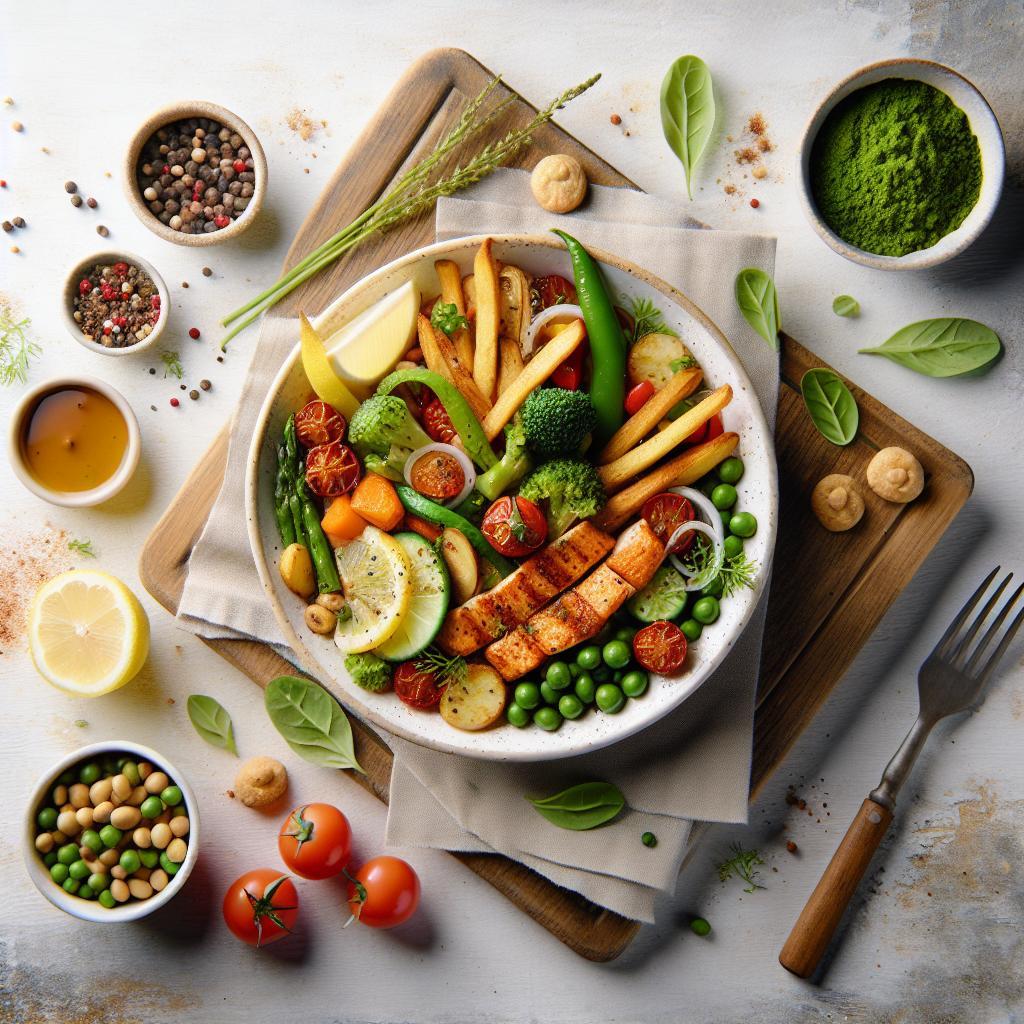

In a world where every dollar counts and dinner plates are crafted with care, the quest for budget-friendly meals often becomes a battleground for family harmony. When the drive to save money turns humble dinners into culinary controversies, the simple joy of sharing a meal can quickly sour into something far more complicated. This article dives into the delicate dance of navigating budget meals-exploring how cheap eats can sometimes spark family feuds, and offering thoughtful strategies to keep both wallets and relationships healthy. Join us as we unravel the secrets to balancing frugality and flavor without sacrificing peace at the dinner table.
Balancing Flavor and Frugality Without Sacrificing Family Happiness with Savory One-Pot Chicken and Rice
When cheap eats cause family feuds, a meal like this Savory One-Pot Chicken and Rice can be a game-changer. This dish brings together comfort and economy, inspired by traditional home-cooked recipes that have been passed down for generations. It balances hearty, satisfying flavors with budget-friendly ingredients, making it perfect for families seeking harmony around the dinner table without overspending.
Prep and Cook Time
- Prep Time: 15 minutes
- Cook Time: 35 minutes
- Total Time: 50 minutes
Yield
- Serves 4 generous portions
Difficulty Level
- Easy – Perfect for busy weeknights and beginner cooks
Ingredients
- 1 lb boneless, skinless chicken thighs, cut into bite-sized pieces
- 1 cup long-grain white rice, rinsed until water runs clear
- 2 cups low-sodium chicken broth
- 1 medium onion, diced
- 2 cloves garlic, minced
- 1 bell pepper, diced (any color)
- 1 cup frozen peas and carrots, thawed
- 1 teaspoon smoked paprika
- 1 teaspoon dried thyme
- Salt and freshly ground black pepper, to taste
- 2 tablespoons olive oil
- Fresh parsley, chopped, for garnish
Instructions
- Heat olive oil in a large skillet or deep pan over medium heat. Add the diced onion and sauté until translucent, about 4 minutes.
- Add minced garlic and diced bell pepper, cooking for an additional 2 minutes to release their aromas.
- Increase heat to medium-high and add the chicken pieces. Season with salt, pepper, smoked paprika, and thyme. Sauté until the chicken turns golden brown and is sealed on all sides, about 6 minutes.
- Stir in the rinsed rice, coating it well with the pan juices, and cook for 2 minutes to lightly toast the rice, enhancing its nuttiness.
- Pour in the chicken broth, bring the mixture to a gentle boil, then reduce heat to low. Cover tightly and simmer for 15 minutes. Avoid lifting the lid to trap steam, which ensures perfectly cooked rice.
- After 15 minutes, sprinkle the peas and carrots over the top without stirring. Cover again and cook for an additional 5 minutes until the rice is tender and vegetables are heated through.
- Remove from heat and let the dish rest, covered, for 5 more minutes to allow flavors to meld beautifully.
- Fluff gently with a fork and garnish with fresh parsley before serving.
Tips for Success
- Swap chicken thighs for boneless chicken breast to reduce fat content, but watch closely to avoid drying out the meat.
- For gluten-free family members, this naturally gluten-free recipe fits perfectly.
- Use homemade or store-bought low-sodium chicken broth to control salt intake and deepen the flavor.
- Make-ahead tip: Prepare the chicken and veggie mixture the night before; simply add rice and broth when ready to cook for quick assembly.
- Introduce a variety of vegetables like diced zucchini or mushrooms to keep the dish colorful and nutritious, adapting to what’s on hand.
Serving Suggestions
- Serve this one-pot meal alongside a crisp, refreshing simple green salad with a lemon vinaigrette for a balanced dinner.
- Garnish with toasted pine nuts or slivered almonds to add a lovely crunch.
- For a special occasion, pair with warm crusty bread and a glass of chilled white wine or sparkling water with lemon slices.
- Turn it into a festive family moment by involving children in adding fresh herbs or assembling their plates creatively.
| Nutritional Information (per serving) | Amount |
|---|---|
| Calories | 380 kcal |
| Protein | 28 g |
| Carbohydrates | 42 g |
| Fat | 10 g |
Explore more budget meal ideas to keep the table happy without breaking the bank.
Q&A
Q&A: When Cheap Eats Cause Family Feuds: Navigating Budget Meals
Q1: Why do cheap meals sometimes spark tension in families?
A1: Food is more than just sustenance; it’s a source of comfort, culture, and connection. When families opt for budget meals, differing tastes, expectations, and feelings about “quality” can collide. Someone might feel unloved if their favorite dish is skipped, or frustrated if the cheap meal feels like a compromise on effort or tradition. These subtle signals can ignite misunderstandings-or even full-blown feuds.
Q2: How can families avoid arguments over budget-friendly meals?
A2: Communication is the secret sauce. Discussing preferences and being transparent about financial limits helps set realistic expectations. Try involving everyone in meal planning and prep-it transforms “cheap eats” into shared projects rather than unwelcome compromises. Also, keep humor and flexibility on the table; sometimes laughter is the best garnish.
Q3: Are there creative ways to make cheap meals feel special?
A3: Absolutely! Presentation matters-even the humblest plate can shine with a sprinkle of fresh herbs or a colorful side. Experiment with spices, sauces, or themed nights (Taco Tuesday, anyone?) to add flair without blowing the budget. Turning the meal into an event, like a picnic or a build-your-own taco bar, can shift focus from cost to experience.
Q4: What role does cultural background play in these budget meal conflicts?
A4: Cultural traditions often set the standard for what “good food” looks like, so budget meals that stray from these norms may be seen as disrespectful or incomplete. Understanding and honoring each other’s culinary roots-while adapting cleverly to budget constraints-can bridge gaps and turn budget meals into a celebration of heritage.
Q5: Can professional help improve family harmony around food?
A5: Yes! Family therapists or nutritionists specializing in family dynamics can provide valuable tools to navigate conflicts around food. They can uncover underlying emotions tied to eating habits and help families develop healthier communication patterns-turning budget friction into food harmony.
Q6: How do budget meals impact children in family dynamics?
A6: Kids often sense parental stress around money and food, which can affect their attitudes about food and family. Involving children in cooking or choosing meals empowers them, teaches valuable life skills, and reduces misunderstandings. Plus, it builds positive associations with affordable meals rather than feelings of deprivation.
Q7: When is it worth splurging on a meal to avoid conflict?
A7: Sometimes, the emotional cost outweighs the monetary savings. Special occasions or moments when a family member feels particularly stressed or overlooked might call for a bit of indulgence. The goal isn’t perfection but connection-if a cherished meal strengthens bonds, it may be the wisest investment on the menu.
Q8: What’s the biggest takeaway for families navigating budget meals?
A8: Cheap eats don’t have to mean cheap feelings. With empathy, creativity, and open dialogue, families can turn budget meals from battlegrounds into bonding opportunities-proving once and for all that love truly is the main ingredient.
Future Outlook
In the delicate dance of family mealtime, budget-friendly meals can either unite or unravel the harmony at the table. While stretching every dollar is a smart strategy, it’s equally important to nourish relationships with understanding, communication, and a pinch of creativity. By navigating the world of cheap eats thoughtfully, families can transform potential feuds into feasts of connection-proving that sometimes, the best ingredients for a happy meal aren’t on the grocery list but in the hearts of those who share it.