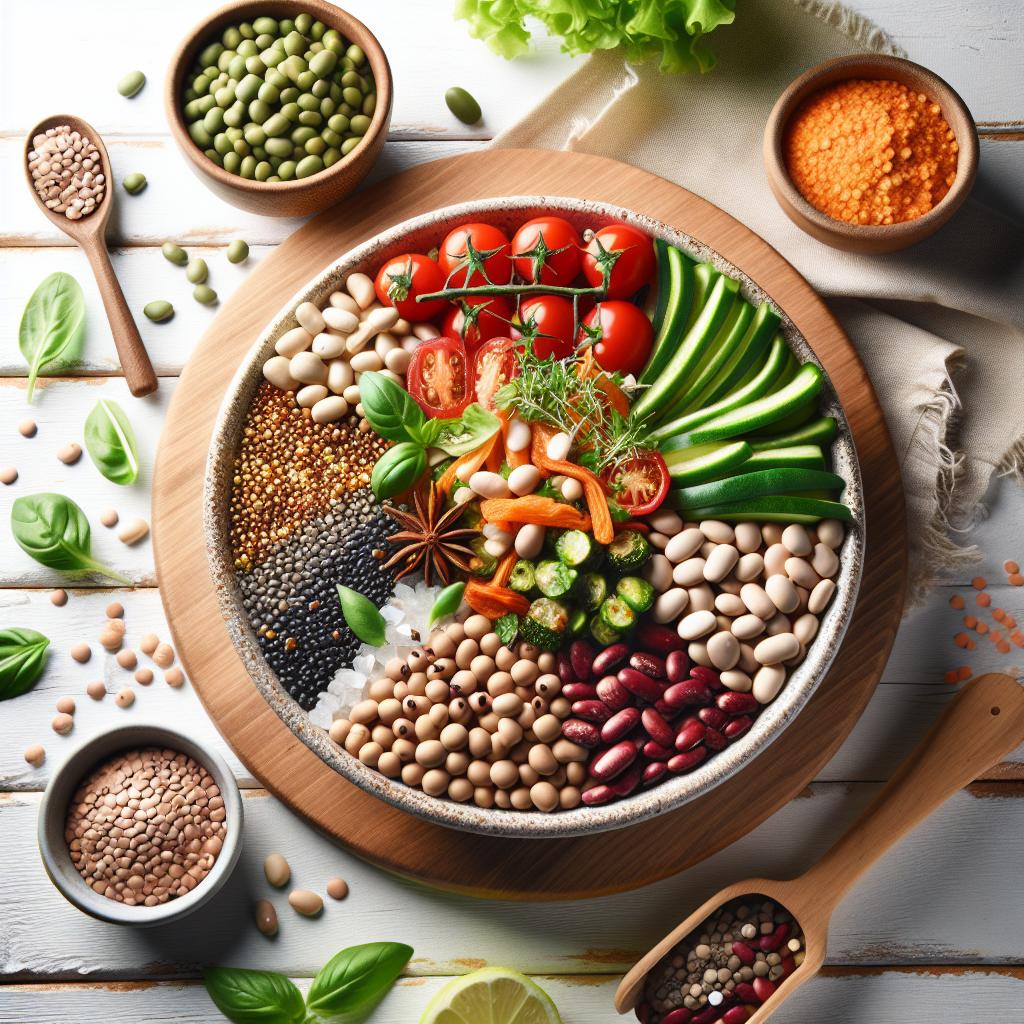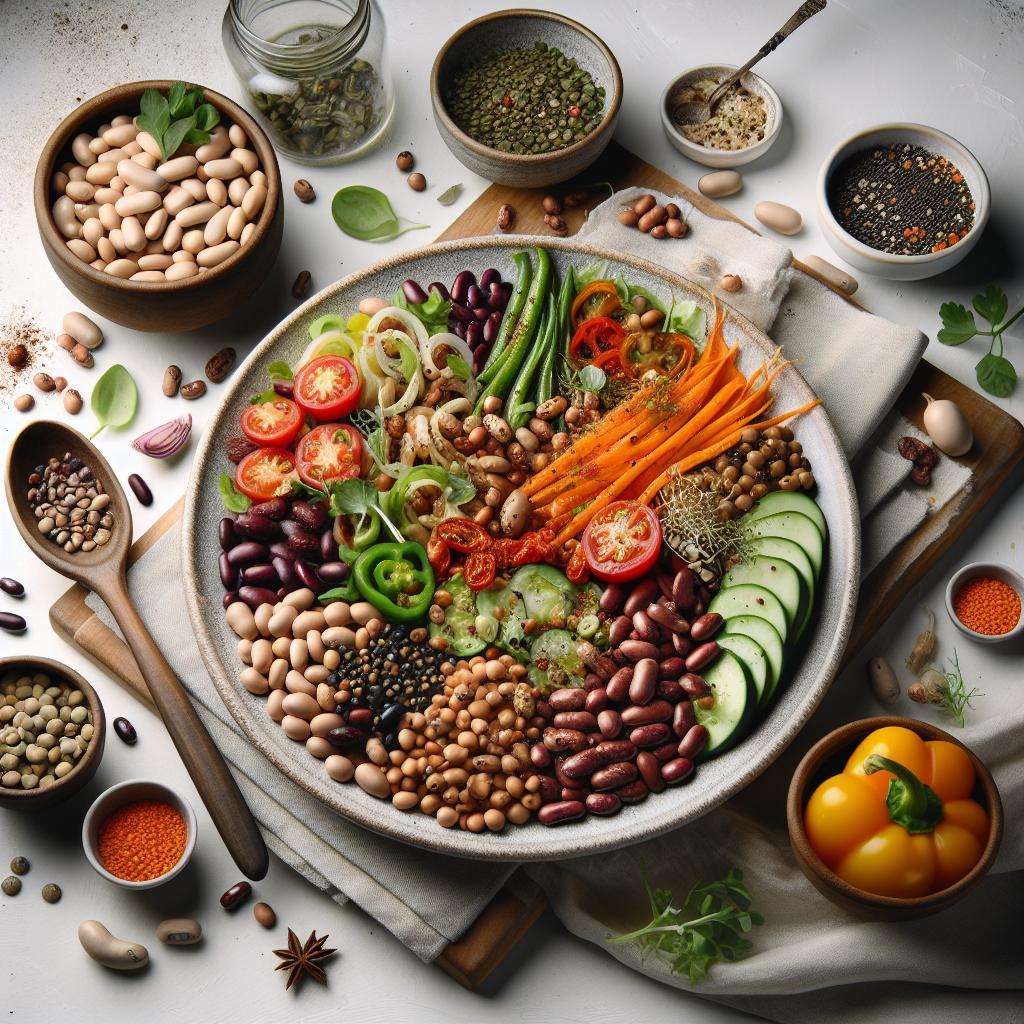

In the quiet corners of our kitchens lie humble treasures-dried beans and lentils-waiting patiently to transform everyday meals into hearty feasts. These tiny powerhouses of nutrition are more than just pantry staples; they are culinary gold, brimming with versatility, flavor, and history. Yet, unlocking their full potential begins long before they meet the pot. Storing dried beans and lentils properly is an art and a science, a key step that preserves their freshness, taste, and vitality. Join us as we journey from beans to pantry gold, uncovering savvy storage secrets that ensure your legumes remain as vibrant and nourishing as the day they were first shelled.
Choosing the perfect containers for long-term bean and lentil storage is the cornerstone of keeping these pantry staples fresh, flavorful, and ready to transform your meals. When you embrace Beans to Pantry Gold techniques, you preserve not just the beans but their vibrant taste and texture for months, even years. The right environment can turn simple dried beans and lentils into culinary treasures waiting to be unlocked whenever you desire.
Prep and Cook Time
- Preparation Time: 5 minutes
- Storage Readiness: Instant (with periodic inspection)
- Maintenance: Rotate and inspect every 6 months
Yield
Preserves up to 10 pounds of beans and lentils in airtight conditions
Difficulty Level
Easy – perfect for both kitchen novices and seasoned pantry enthusiasts
Ingredients
- 1 set airtight glass jars with wide mouths and sealable lids (quart size recommended)
- 1 package vacuum-sealable bags or heavy-duty freezer bags
- Food-grade oxygen absorbers (optional but highly recommended for long-term freshness)
- Labels and permanent markers for rotation dates
- Dry bay leaves or dried chili pods (natural pest deterrents)
- Silica gel packets (optional moisture absorbers for humid environments)
Instructions
- Sort and inspect your dried beans and lentils, removing any debris or damaged pieces to avoid spoilage during storage.
- Choose airtight containers, preferably glass jars with sealable lids, which do not absorb odors or stains, and allow easy visibility of the contents.
- Fill each jar with the sorted beans or lentils, leaving a little headspace to prevent crushing.
- Add a food-grade oxygen absorber inside each jar to reduce oxidation and maintain flavor integrity. This step is optional but extends shelf life dramatically.
- Place a bay leaf or dried chili pod atop the beans inside the jar as a natural pest repellent without affecting flavor.
- Seal the jars tightly, ensuring the lids are clean and free from cracks or damage.
- Label each jar with the type of bean or lentil and the date of storage to facilitate proper rotation.
- Store jars in a cool, dark, and dry place-ideally below 70°F (21°C) and away from direct sunlight.
- Periodically check for humidity or pest signs, replacing oxygen absorbers or re-sealing as needed to maintain optimal conditions.
- Rotate your stock by using the oldest stored beans first, ensuring nothing remains stagnant for more than a year to preserve peak freshness.
Chef’s Notes
- Glass jars are preferred over plastic for long-term storage: they are non-reactive and create superior seals, preventing moisture and pests.
- If you don’t have oxygen absorbers, vacuum-sealing beans in freezer bags can help but doesn’t replace the effectiveness of oxygen absorption.
- Bay leaves are a traditional pantry safeguard-their natural aroma discourages pantry bugs and is a simple way to protect your bean reserves.
- Label clearly and always document purchase or storage dates to maintain a first-in, first-out (FIFO) rotation system.
- In humid climates, adding a few silica gel packets inside the storage area (not directly inside the beans) can help eliminate moisture build-up.
- For extremely long storage (1+ years), periodically check for condensation inside containers, which signals potential spoilage risk.
Serving Suggestions
Once your beans and lentils are perfectly preserved using these simple storage methods, they’re ready to be the star ingredients in comforting stews, vibrant salads, or hearty soups. Always rinse and soak your dried legumes as needed before cooking to unlock their creamy textures and rich flavors. A sprinkle of fresh herbs or a dash of exotic spices after cooking will highlight their preserved freshness, making each bite feel as if you just picked beans from a sun-kissed field.

| Bean/Lentil Type | Typical Shelf Life | Rotation Frequency | Storage Tip |
|---|---|---|---|
| Black Beans | 12-18 months | Every 12 months | Use oxygen absorbers for longer storage |
| Red Lentils | 8-12 months | Every 10 months | Store away from light to preserve color |
| Pinto Beans | 12-18 months | Every 12 months | Keep in airtight glass for freshness |
| Green Lentils | 8-12 months | Every 10 months | Check periodically for moisture |
For more in-depth advice on pantry staples, check out our guide on Ultimate Guide to Spice Storage. To explore scientific insights on food preservation, visit the USDA Food Safety and Inspection Service.
Q&A
Q&A: Beans to Pantry Gold – Mastering the Art of Storing Dried Beans and Lentils
Q1: Why should I care about how I store dried beans and lentils?
A1: Think of dried beans and lentils as little pantry treasures. When stored properly, they retain their texture, flavor, and nutritional punch for months or even years. Improper storage? Well, that’s like turning gold into dull rocks-beans can sprout, stale, or even get invaded by pantry pests. Proper storage keeps your legumes fresh and ready to transform any meal into a wholesome delight.
Q2: What’s the ideal container for storing dried beans and lentils?
A2: Your best bet is an airtight container-glass jars with tight seals, food-grade plastic bins, or metal containers with rubber gaskets all work wonders. The key is to block moisture, air, and light. This fortress of freshness keeps your pantry gold shining bright, free from humidity and pesky critters.
Q3: Can I store beans and lentils in their original packaging?
A3: If the package is unopened and vacuum-sealed, sure! But once opened, those flimsy bags are like invitations to moisture and bugs. Transfer your beans into airtight containers once opened. Label with the purchase or expiration date to keep track of your pantry treasures.
Q4: Where in the house should I keep my dried beans and lentils?
A4: A cool, dark, and dry place is a bean’s happy home. Avoid spots near heat sources like stoves or sunny windowsills. A pantry shelf away from the oven or microwave’s warmth is ideal. Remember, heat and light speed up aging and spoilage.
Q5: How long do dried beans and lentils last when stored correctly?
A5: Lentils typically keep their vibrant flavor and texture for up to a year, while dried beans can stay pantry-perfect for 1-3 years! Beyond this, they might still be safe but could take longer to cook or lose some taste magic. Always give them a sniff and a visual check before cooking.
Q6: Can I freeze dried beans and lentils to extend their shelf life?
A6: Yes, freezing can slow down aging and ward off pesky pantry bugs. Just make sure they’re in truly airtight containers to prevent moisture condensation. When you’re ready to cook, no need to thaw-just rinse and cook as usual.
Q7: What signs tell me my dried beans or lentils have gone bad?
A7: Watch out for shriveled, pale, or spotted beans, foul odors, or any sign of mold and bugs. Also, if they swell oddly or feel moist, it’s time to toss. Using aged or damaged beans won’t harm you, but the taste and texture might suffer.
Q8: Any tips for keeping pantry pests away from my beans and lentils?
A8: Absolutely! Besides airtight containers, try adding natural deterrents like bay leaves or dried chili peppers around your storage area. Regularly clean your pantry shelves, and practice the “first in, first out” rule-use older beans before new ones.
Q9: Should I sort or wash beans before storing them?
A9: It’s best to sort through and discard any debris or damaged beans before storage. Washing before storage is not recommended-moisture invites mold and spoilage. Clean them right before cooking for the best results.
Q10: What’s the best way to get these pantry gems into my meals?
A10: Soak beans if needed, rinse lentils well, and cook them in fresh water with your favorite herbs and spices. Experiment with soups, stews, salads, or even bean-based desserts! Properly stored dried beans and lentils are kitchen alchemy-turning humble ingredients into culinary gold.
Store your dried beans and lentils like treasures, and they’ll reward you with wholesome goodness and flavor that lasts. Here’s to turning your pantry into a gold mine!
Key Takeaways
From humble beans to pantry gold, the secret lies in thoughtful storage. By treating your dried beans and lentils with care-keeping them cool, dry, and sealed tight-you unlock their full potential for hearty meals and wholesome nourishment. With these simple yet savvy tips, your pantry transforms into a treasure trove, ready to fuel your culinary adventures for months to come. So go ahead, cherish those tiny legumes-they’re more than just ingredients; they’re the golden threads weaving flavor, nutrition, and tradition into every dish you create.