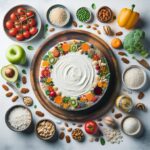
In a world where time is precious and budgets are tight, the humble frozen and canned vegetable quietly steps into the spotlight as an unsung kitchen hero. These vibrant, shelf-stable gems offer more than just convenience-they unlock a world of smart savings without sacrificing nutrition or flavor. Whether you’re whipping up a last-minute stir-fry or planning a hearty family dinner, frozen and canned veggies are the secret weapons that keep your meals fresh, tasty, and wallet-friendly all year round. Join us as we explore how these pantry staples can transform your cooking game and stretch every dollar further, making every meal a masterpiece of taste and thrift.
Creative Recipes That Transform Frozen and Canned Veggies into Gourmet Meals
Frozen & Canned Veggies: Smart Savings for Every Meal unlock a world of culinary creativity by turning budget-friendly staples into dishes bursting with flavor and nutrition. Imagine a comforting, velvety roasted vegetable pot pie that effortlessly blends the convenience of frozen peas, carrots, and green beans with rich creamy sauce wrapped in a flaky, golden crust. This recipe not only saves time and money but honors the power of pantry staples to elevate every meal.
Prep and Cook Time
- Prep Time: 20 minutes
- Cook Time: 35 minutes
- Total Time: 55 minutes
Yield
- Serves 6 generous portions
Difficulty Level
- Medium
Ingredients
- 1 cup frozen peas, thawed
- 1 cup canned sliced carrots, drained
- 1 cup frozen green beans, cut into 1-inch pieces
- 1 medium onion, finely chopped
- 2 cloves garlic, minced
- 3 tablespoons unsalted butter
- 3 tablespoons all-purpose flour
- 1 ¾ cups vegetable broth
- ½ cup whole milk
- 1 teaspoon fresh thyme leaves (or ½ teaspoon dried thyme)
- Salt and freshly ground black pepper to taste
- 1 sheet of refrigerated puff pastry, thawed
- 1 egg, beaten (for egg wash)
Instructions
- Preheat your oven to 400°F (200°C). Lightly grease a 9-inch pie dish or individual ramekins for a personal touch.
- In a large skillet, melt the butter over medium heat. Add the onion and garlic, sautéing until fragrant and translucent, about 5 minutes.
- Sprinkle the flour over the onions and garlic, stirring constantly to create a roux. Cook for 2 minutes until the mixture turns a light golden color.
- Slowly whisk in the vegetable broth and milk, ensuring no lumps remain. Continue cooking until the sauce thickens, about 4-5 minutes.
- Stir in the thawed frozen peas, drained canned carrots, and frozen green beans. Add thyme, salt, and pepper. Let the filling simmer gently for 3 minutes, then remove from heat.
- Transfer the vegetable mixture to the prepared pie dish. Roll out the puff pastry sheet, trimming edges if necessary, and lay it over the filling.
- Carefully press the edges to seal the pie. Brush the top with the beaten egg to ensure a beautifully golden crust.
- Using a sharp knife, cut 3-4 small slits in the pastry to allow steam to escape during baking.
- Bake for 30-35 minutes or until the crust is puffed and golden brown. Let the pot pie cool for 5 minutes before serving.
Tips for Success
- For an extra creamy texture, substitute half the milk for heavy cream or coconut cream.
- Swap in frozen corn or canned mushrooms for variety and extra flavor.
- If puff pastry isn’t on hand, a flaky pie crust or biscuit topping also works beautifully.
- Make-ahead option: Prepare the filling and store it in the fridge for up to two days; assemble and bake just before serving.
- Prevent sogginess by ensuring canned veggies are well-drained and frozen vegetables fully thawed before cooking.
Serving Suggestions
This vegetable pot pie shines paired with a crisp green salad tossed in a zesty vinaigrette to balance the rich, buttery crust. Garnish with freshly chopped parsley or thyme sprigs for an herbal lift and serve warm for comforting satisfaction that feels gourmet yet approachable.
| Nutritional Info (per serving) | Calories | Protein | Carbs | Fat |
|---|---|---|---|---|
| Roasted Vegetable Pot Pie | 350 kcal | 8 g | 34 g | 18 g |

Discover more ways to maximize your pantry by exploring our guide comparing fresh and frozen vegetables and deepen your understanding of nutrient retention with insights from USDA’s Nutrient Data Laboratory.
Q&A
Q&A: Frozen & Canned Veggies – Smart Savings for Every Meal
Q: Why should I consider frozen and canned vegetables when fresh options are available?
A: Fresh veggies are delightful, but frozen and canned varieties bring convenience, longer shelf life, and often a better price. They’re picked and preserved at peak ripeness, locking in nutrients and flavor – perfect for quick meals without worries about spoilage.
Q: Do frozen and canned vegetables lose their nutritional value compared to fresh?
A: Not at all! In many cases, freezing and canning preserve vitamins and minerals just as well as fresh produce. Sometimes freezing even locks in more nutrients by halting degradation. Just watch out for added salt or sauces in canned goods, which can sneak in unnecessary extras.
Q: How can I use frozen and canned vegetables creatively in my cooking?
A: The possibilities are endless! Toss frozen peas into pasta, swirl canned pumpkin into soups, or stir-fry mixed frozen veggies with your favorite sauce. Canned corn adds sweetness to salads, while frozen spinach can bulk up smoothies or omelets. Think of them as pantry superheroes ready to rescue your meals.
Q: Are frozen and canned vegetables budget-friendly compared to fresh?
A: Absolutely! They often cost less per serving and reduce waste since you only use what you need. Stocking up during sales means smart savings, and no more last-minute trips to the market. Plus, the convenience can save you time and meal planning stress.
Q: Any tips for selecting the best frozen and canned veggies at the store?
A: Look for plain varieties with minimal added salt, sugar, or sauces. Choose cans free of dents and swelling, and pick frozen packs with no frost buildup. Go for options labeled low sodium or no salt added for healthier choices. And don’t forget to check the expiration dates!
Q: How should I store and use frozen and canned vegetables in my kitchen?
A: Keep frozen veggies in the freezer until needed; they’re great for portioning into recipes. Canned veggies can sit in the pantry for months-just transfer leftovers to airtight containers in the fridge. Each format offers a versatile, ready-to-go option to keep your meals bright and balanced.
Q: Can frozen and canned veggies replace fresh in all recipes?
A: While fresh can be unbeatable in salads or raw dishes, frozen and canned vegetables are fantastic in soups, stews, casseroles, and stir-fries. Their texture and flavor shine when heated, making them ideal for cooked dishes where convenience meets tasty nutrition.
Embrace the smart savings and simplicity of frozen and canned vegetables – your wallet and your taste buds will thank you!
Wrapping Up
Whether you’re whipping up a quick weeknight stir-fry or planning a hearty holiday feast, frozen and canned veggies offer a versatile, budget-friendly boost to your meals. These pantry powerhouses bring nutrition, convenience, and flavor to the table without breaking the bank. Embracing them not only stretches your grocery dollars but also reduces food waste and keeps your kitchen stocked with wholesome goodness year-round. So next time you shop, remember: smart savings aren’t just about the price tag-they’re about making every meal a little easier, healthier, and just as delicious. Here’s to giving frozen and canned veggies a fresh spot in your culinary rotation!