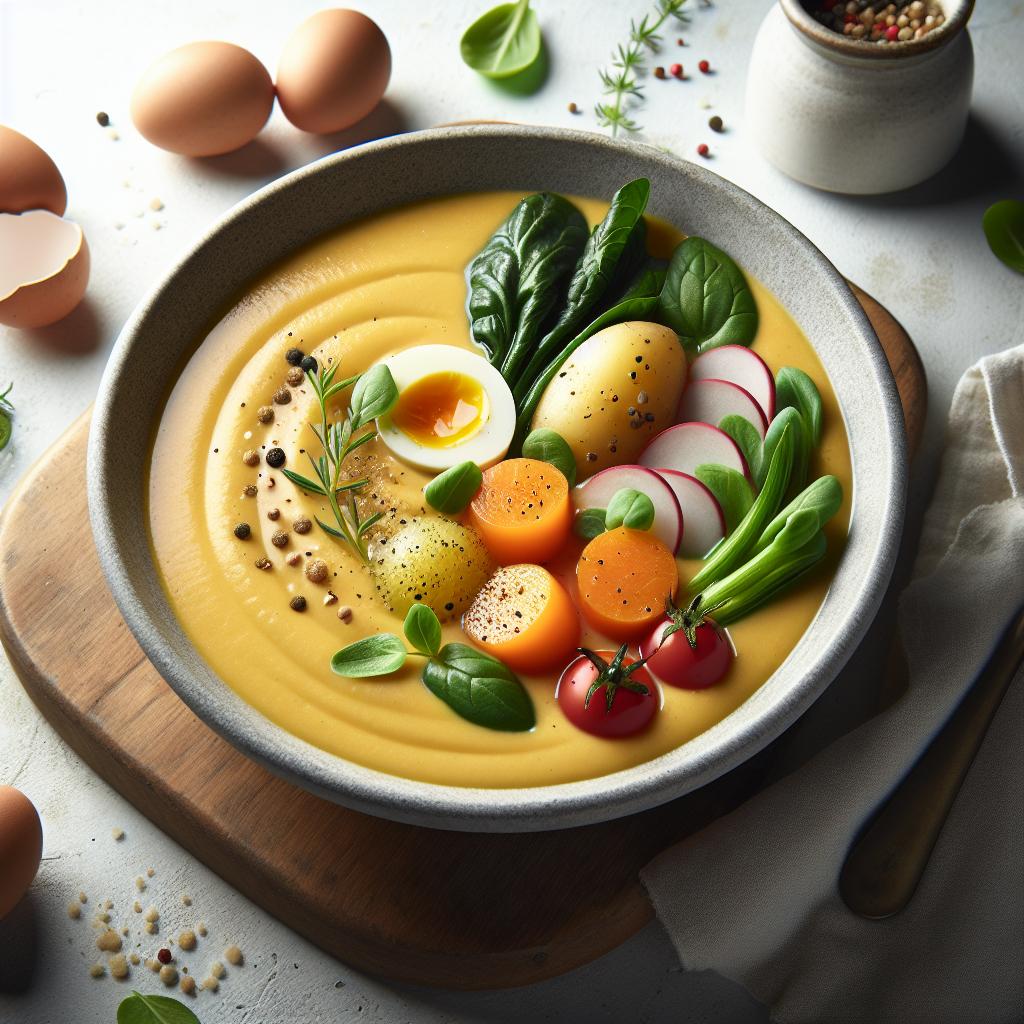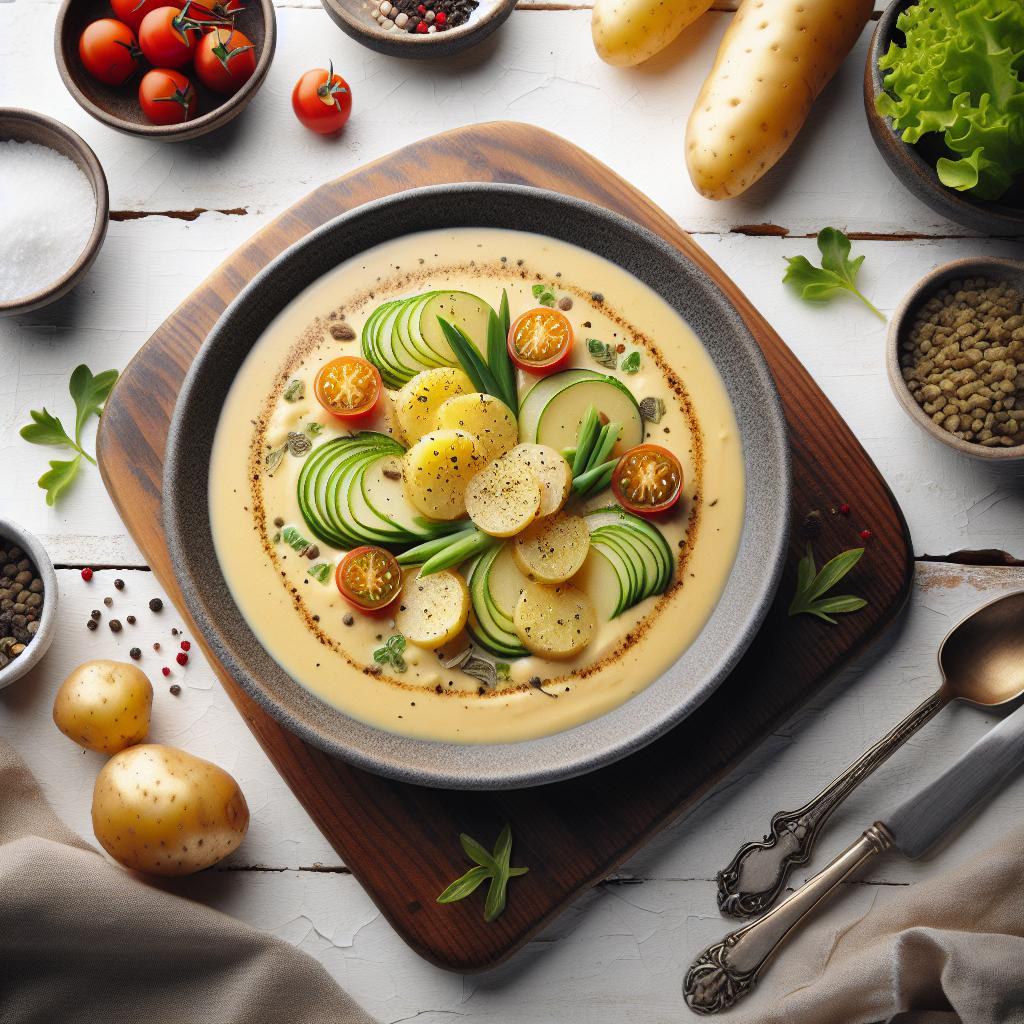

There’s nothing quite like a bowl of perfectly creamy potato soup-warm, velvety, and deeply satisfying. Yet, achieving that silky smooth texture can be deceptively tricky. One moment you’re savoring rich, luscious soup; the next, it turns unexpectedly gummy and dense, leaving your taste buds a little disappointed. What causes this common culinary mishap? And more importantly, how can you avoid it? In this article, we’ll unravel the secrets behind the perfect creamy potato soup, sharing essential tips and expert techniques to help you bypass that dreaded gummy texture and serve up a bowl of pure comfort every single time.
Perfectly Creamy Potato Soup: Tips to Avoid Gummy Texture
Perfectly creamy potato soup is a comforting classic that has warmed hearts and tables across generations and cultures. Achieving that luscious, velvety texture requires not just good ingredients, but the right technique to avoid any gummy or gluey moments. My passion for crafting this soup began in my grandmother’s kitchen where rustic simplicity met rich, indulgent flavors-making every spoonful feel like a warm hug on a chilly day.
Prep and Cook Time
- Preparation: 15 minutes
- Cooking: 40 minutes
- Total Time: 55 minutes
Yield
- 6 servings (approximately 1 cup each)
Difficulty Level
- Easy to Medium – perfect for beginner to home cooks looking to refine their soup-making skills
Ingredients
- 2 pounds Yukon Gold potatoes, peeled and diced (ideal for creamy texture)
- 1 medium yellow onion, finely chopped
- 3 cloves garlic, minced
- 4 cups low-sodium chicken or vegetable broth
- 1 cup heavy cream
- 3 tablespoons unsalted butter
- Salt and freshly ground black pepper, to taste
- Fresh chives, finely chopped for garnish
- Optional: shredded sharp cheddar, crispy bacon bits
Instructions
- Choose the right potato variety: Yukon Gold potatoes are your best bet for silky smoothness as they have a creamy texture and moderate starch content. Avoid russets if you want to prevent an overly starchy or gummy soup.
- Sauté aromatics: In a large pot, melt unsalted butter over medium heat. Add chopped onion and sauté until translucent, about 5 minutes. Stir in minced garlic and cook until fragrant, about 1 minute, taking care not to burn.
- Add potatoes and broth: Add the diced potatoes and pour in the broth, ensuring the potatoes are just covered. Bring to a gentle boil, then reduce heat and simmer until potatoes are fork-tender-roughly 15-20 minutes. Avoid overcooking to prevent breakdown and excessive starch release.
- Master the blending technique: Use an immersion blender to puree the soup in stages rather than all at once. This gradual approach allows you to control the texture and prevents it from becoming gluey. Stop when mostly smooth with just a few potato chunks to maintain body.
- Balance liquids and cream: Stir in the heavy cream slowly, which enriches the soup and adds silkiness without diluting flavor. Adjust the consistency by adding more broth or cream as needed, keeping in mind the soup should coat a spoon luxuriously without being runny.
- Season thoughtfully: Taste and season with salt and fresh pepper to enhance depth. Remember that bringing out the best flavors comes from layering seasoning throughout rather than a last-minute dump.
- Final texture adjustment: If the soup feels too thick or gummy, thin it with a splash of warm broth or cream; if too loose, simmer gently without a lid to reduce slightly.
Tips for Success: Ensuring Your Perfectly Creamy Potato Soup
- Use Yukon Gold potatoes to strike the ideal starch balance that delivers creaminess without gumminess.
- Avoid over-mixing or blitzing for too long; duration and method of blending profoundly affect the texture.
- Incorporate dairy gradually at the end of cooking to maintain luxurious richness without screwing up the final consistency.
- For a lighter option, substitute half the heavy cream with whole milk, though expect a slightly less indulgent texture.
- Make-ahead tip: The soup thickens as it cools. Rewarm gently and add a splash of broth or cream to restore silkiness before serving.
- Food Science Insight on Potato Starch – Learn more about the science that impacts your soup texture.
Serving Suggestions
Serve your perfectly creamy potato soup piping hot in rustic bowls topped with finely chopped fresh chives for a bright, herbaceous finish. For added indulgence, garnish with a handful of shredded sharp cheddar cheese or crispy bacon bits. Pair with a crusty baguette or a simple green salad with a light vinaigrette to balance the richness. This soup also shines alongside a warm, buttered corn muffin for an inviting comfort meal.

| Nutrient | Per Serving (1 cup) |
|---|---|
| Calories | 220 kcal |
| Protein | 5 g |
| Carbohydrates | 28 g |
| Fat | 9 g |
Looking for another deliciously creamy soup to try next? Check out our Creamy Butternut Squash Soup Recipe and elevate your cozy meal lineup.
Q&A
Q&A: Perfectly Creamy Potato Soup – Tips to Avoid Gummy Texture
Q1: Why does my potato soup turn out gummy instead of creamy?
A1: Gummy potato soup usually results from over-stirring or using the wrong type of potato. When potatoes are broken down too much, their starches release and create a glue-like consistency. Russet or starchy potatoes are more prone to this if overworked.
Q2: Which potatoes are best for a creamy, non-gummy soup?
A2: Waxy potatoes like Yukon Gold or red potatoes are ideal. They hold their shape better and release less starch, resulting in a smoother, creamier texture without the gluey aftermath.
Q3: How can I prevent my soup from becoming gummy while cooking?
A3: Cook the potatoes gently and avoid excessive stirring, especially once they start to soften. Also, try to mash or puree only a portion of the soup to maintain some texture and reduce starch release.
Q4: Is there a trick to creating creaminess without excess starch?
A4: Absolutely! Incorporate dairy such as cream, milk, or sour cream towards the end of cooking for that silky richness. Another tip: blend some cooked potatoes separately and fold them back in, rather than mashing everything in the pot.
Q5: Should I add thickening agents to get the perfect texture?
A5: Generally, no. The natural starch in potatoes, when handled correctly, provides enough body. Overdoing flour or cornstarch can lead to a pasty mouthfeel. Balance ingredients and gentle technique are key.
Q6: Can chilling and reheating affect soup texture?
A6: Yes! Potato soup can thicken and become gummy after refrigeration because starches continue to set. Reheat gently with a splash of broth or milk to restore creaminess.
Q7: Any final chef’s magic to perfect creamy potato soup?
A7: Use a hand blender or potato masher sparingly to keep some rustic chunks. Finish with fresh herbs and a drizzle of high-quality olive oil or butter to elevate the texture and flavor. Remember: patience and care in handling potatoes are your secret weapons to soup nirvana!
Wrapping Up
As you embark on your creamy potato soup adventure, remember that achieving that perfectly velvety texture is less about mystery and more about mindful technique. By selecting the right potatoes, managing starch, and embracing gentle simmering, you can sidestep the dreaded gummy trap and serve up a bowl of cozy comfort that’s smooth, rich, and utterly satisfying. So, gather your ingredients, arm yourself with these tips, and savor every spoonful of your silky homemade creation-because the secret to perfection lies not just in the recipe, but in the care you stir in along the way.