
In a world where nearly one-third of all food produced is lost or wasted, the hunt for sustainable solutions has never been more urgent. Enter the Food Recovery Hierarchy-a strategic roadmap that not only minimizes waste but also transforms excess food into a powerful tool for environmental stewardship and social good. This hierarchy isn’t just about what happens to uneaten food; it’s a visionary framework guiding us toward a future where every bite counts. Join us as we unlock the layers of the Food Recovery Hierarchy and explore how each step brings us closer to a more sustainable, waste-free world.
Unlocking Sustainability through the Food Recovery Hierarchy offers a transformative approach to reducing food waste, turning surplus ingredients into valuable resources that nourish communities. This journey begins with mindful practices in the kitchen-where thoughtful preparation and resourcefulness prevent waste before it starts-and extends all the way to innovative methods that redistribute food to those in need. As a Culinary Content Creator and Food Stylist, I’m excited to share a recipe-inspired framework that mirrors the hierarchy itself: a practical and delicious way to embrace sustainability by minimizing waste and maximizing flavor.
Prep and Cook Time
- Prep Time: 15 minutes
- Cook Time: 35 minutes
- Total Time: 50 minutes
Yield
Serves 6-8 people
Difficulty Level
Easy to Medium – perfect for cooks looking to integrate sustainable techniques into everyday meals.
Ingredients
- 4 cups mixed vegetable scraps (carrot peels, broccoli stems, onion ends, celery leaves)
- 2 cups day-old bread, cubed
- 1 large onion, finely diced
- 3 cloves garlic, minced
- 1 cup cooked beans or lentils (any variety)
- 2 tbsp olive oil
- 1 tsp dried thyme
- 1 tsp smoked paprika
- Salt and pepper to taste
- 2 cups vegetable broth (homemade from scraps if possible)
- Fresh parsley for garnish
Instructions
- Prepare a vegetable broth: Simmer mixed vegetable scraps in 2 cups of water for 20 minutes, strain, and reserve the broth. This turns commonly discarded bits into a flavor-packed base.
- Sauté aromatics: Heat olive oil in a large skillet over medium heat. Add the onion and garlic, cooking until soft and translucent, about 5 minutes, stirring frequently to prevent browning.
- Add flavor and texture: Mix in the cooked beans or lentils, dried thyme, and smoked paprika. Stir until fragrant, approximately 2 minutes.
- Incorporate bread cubes: Toss in the day-old bread, coating it with the sautéed mixture. Pour in the homemade vegetable broth and cook on low heat until the bread absorbs the liquid, about 10-12 minutes. Stir occasionally to avoid sticking.
- Season and finalize: Adjust salt and pepper to taste. If the mixture appears too dry, add an extra splash of broth. Cook until all flavors meld beautifully.
- Garnish and serve: Transfer to a serving dish and sprinkle freshly chopped parsley on top for a burst of color and freshness.
Tips for Success
- To boost nutrition, add finely chopped leafy greens like kale or spinach during the last 5 minutes of cooking.
- Substitute stale bread with gluten-free options to accommodate dietary needs without compromising texture.
- Make the broth ahead and freeze leftover scraps to save time and reduce waste consistently.
- For added depth, sprinkle a little grated Parmesan or a vegan cheese alternative just before serving.
- Use this dish as a hearty side or transform it with an egg poached on top for a complete meal.
Serving Suggestions
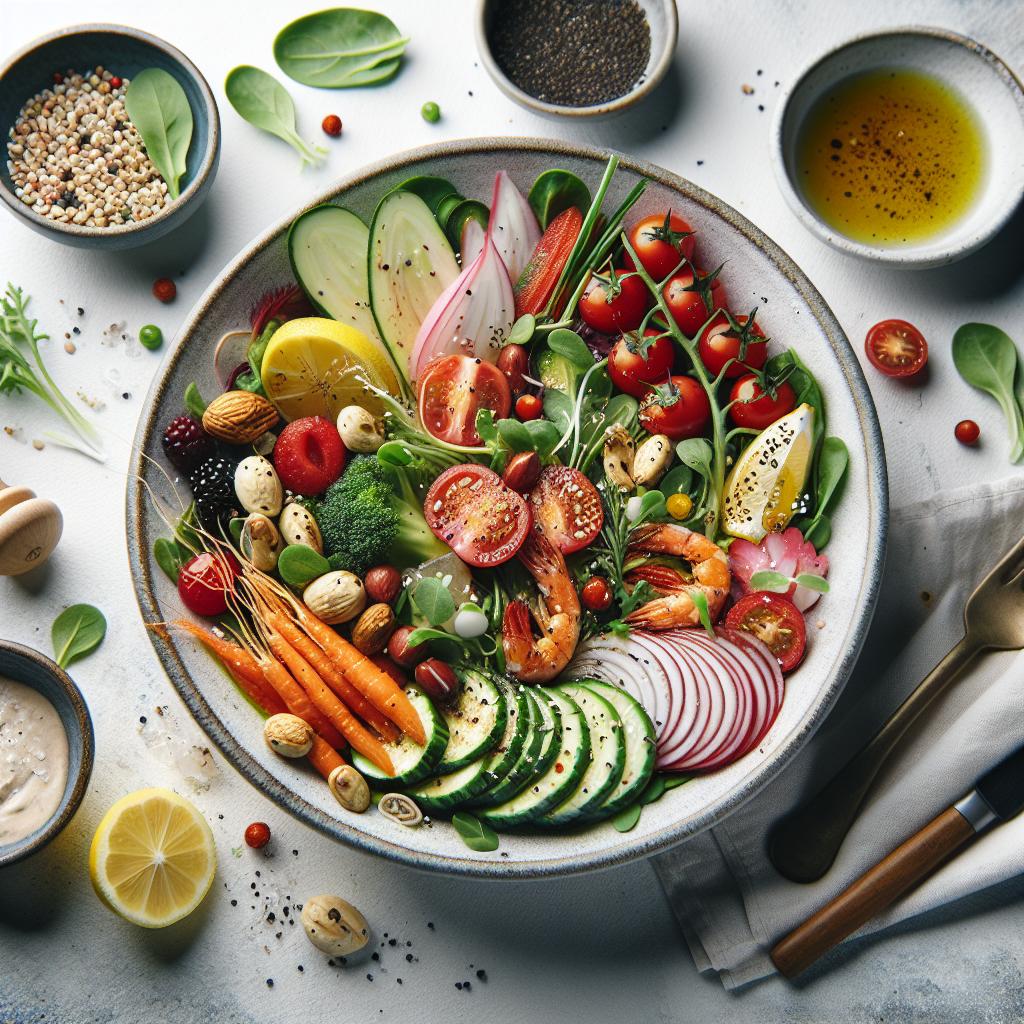
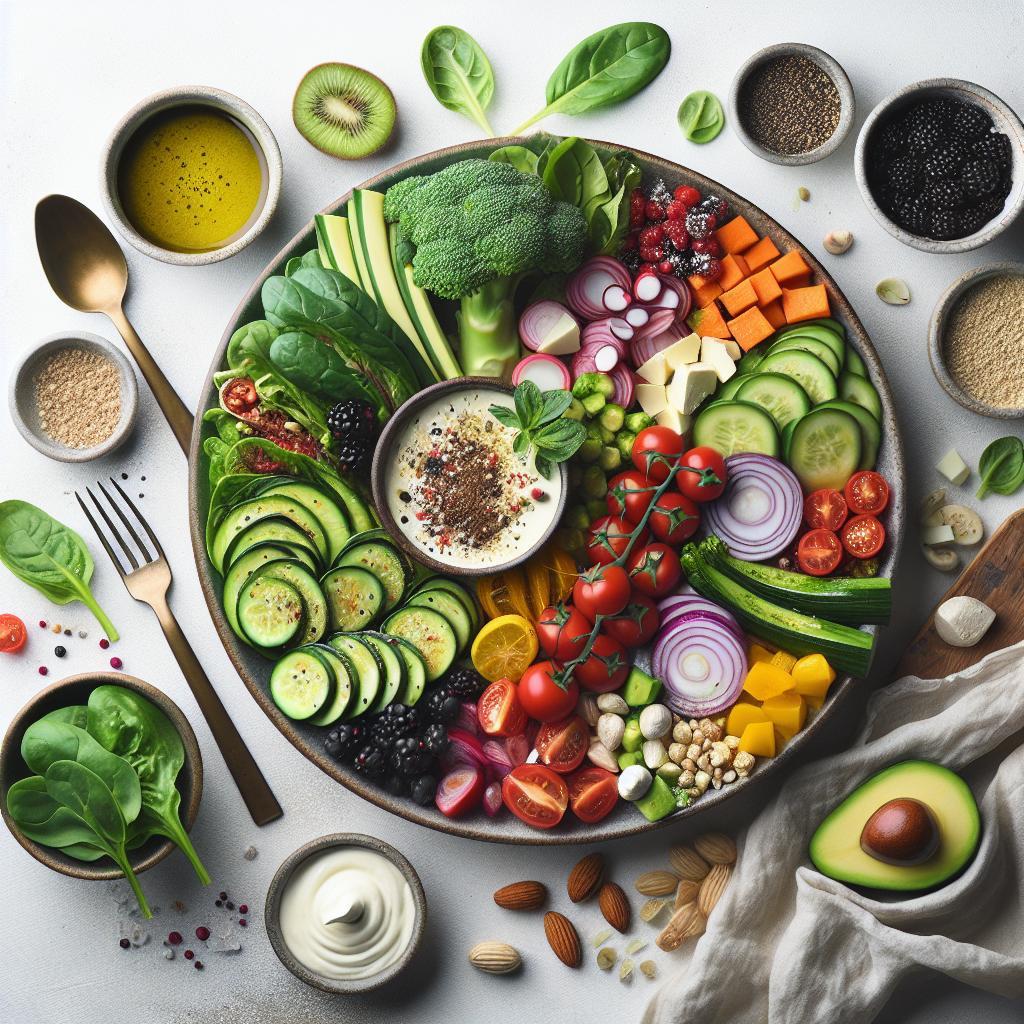
Present this waste-conscious dish in rustic ceramic bowls to emphasize its wholesome origin. Pair with a crisp green salad dressed lightly with lemon vinaigrette to balance the savory richness. A sprinkle of toasted nuts or seeds adds delightful crunch and contrasts textures beautifully.

Nutrition Information
| Per Serving | Calories | Protein | Carbs | Fat |
|---|---|---|---|---|
| Vegetable & Bread Medley | 210 kcal | 8g | 32g | 6g |
Curious to explore more ways to implement sustainable kitchen techniques? Check out our ultimate guide to sustainable cooking. For in-depth research on food waste management, visit the EPA’s official site.
Q&A
Q&A: Unlocking Sustainability – The Food Recovery Hierarchy Explained
Q1: What is the Food Recovery Hierarchy?
A1: The Food Recovery Hierarchy is a strategic framework designed to minimize food waste by prioritizing actions that maximize environmental, social, and economic benefits. Think of it as a ladder guiding us from prevention to disposal, helping us save food-and the planet-step by step.
Q2: Why is the Food Recovery Hierarchy important for sustainability?
A2: Food waste is a massive contributor to greenhouse gas emissions and squanders resources like water, land, and energy. The hierarchy helps tackle these issues by encouraging smarter use of food at every stage, reducing waste, and supporting communities in need-all crucial moves toward a more sustainable food system.
Q3: What are the main levels of the Food Recovery Hierarchy?
A3: The hierarchy has five key levels, ranked from most to least preferred:
- Source Reduction: Preventing food waste before it happens.
- Feed Hungry People: Donating excess food to those who need it.
- Feed Animals: Redirecting food scraps to animal feed.
- Industrial Uses: Turning food waste into bioenergy or compost.
- Composting and Landfilling: The last resort-composting is better than sending food to a landfill.
Q4: How does source reduction work in practice?
A4: Source reduction means planning better-buying and producing only what’s needed, improving inventory management, and creatively using ugly or surplus produce. Restaurants, grocery stores, and households all play a role here, trimming waste before it even begins.
Q5: What role do food donations play in the hierarchy?
A5: Feeding hungry people not only prevents food from going to waste but also addresses food insecurity. Organizations partner with businesses to redirect surplus food safely and efficiently, turning potential waste into valuable nourishment for communities.
Q6: Can you explain how food scraps feed animals?
A6: Instead of hitting the landfill, certain food scraps can be safely processed into feed for livestock, closing the loop and reducing the need for additional feed crops-benefitting both farmers and the environment.
Q7: What happens during industrial uses of food waste?
A7: Industrial uses involve converting food waste into energy, like biogas through anaerobic digestion, or turning it into compost. This step harnesses the energy and nutrients locked in food scraps, making them part of a circular economy.
Q8: Why is composting preferred over landfilling?
A8: Composting transforms organic waste into nutrient-rich soil amendments, supporting healthy ecosystems. Landfilling food waste, on the other hand, traps it in anaerobic conditions, producing methane-a potent greenhouse gas.
Q9: How can individuals contribute to the Food Recovery Hierarchy?
A9: Individuals can reduce food waste by meal planning, storing food properly, embracing leftovers, supporting food recovery organizations, and composting at home. Every bite saved counts toward a more sustainable future.
Q10: What’s the bigger picture of adopting the Food Recovery Hierarchy globally?
A10: Embracing the hierarchy worldwide means cutting greenhouse gases, conserving precious resources, and fighting hunger-all in one smart, sustainable system. It’s not just food management; it’s a recipe for planetary health and human well-being.
Key Takeaways
In the quest for a more sustainable future, the Food Recovery Hierarchy stands as a guiding beacon-illuminating the path from waste to worth. By understanding and embracing its layered approach, we unlock not only the potential to reduce food loss but also the opportunity to nourish communities, enrich soils, and conserve precious resources. Every step taken higher on this hierarchy transforms discarded food into a powerful catalyst for change. As we rethink our relationship with sustenance, let the Food Recovery Hierarchy be a reminder that sustainability isn’t just a goal-it’s a journey, one bite at a time.