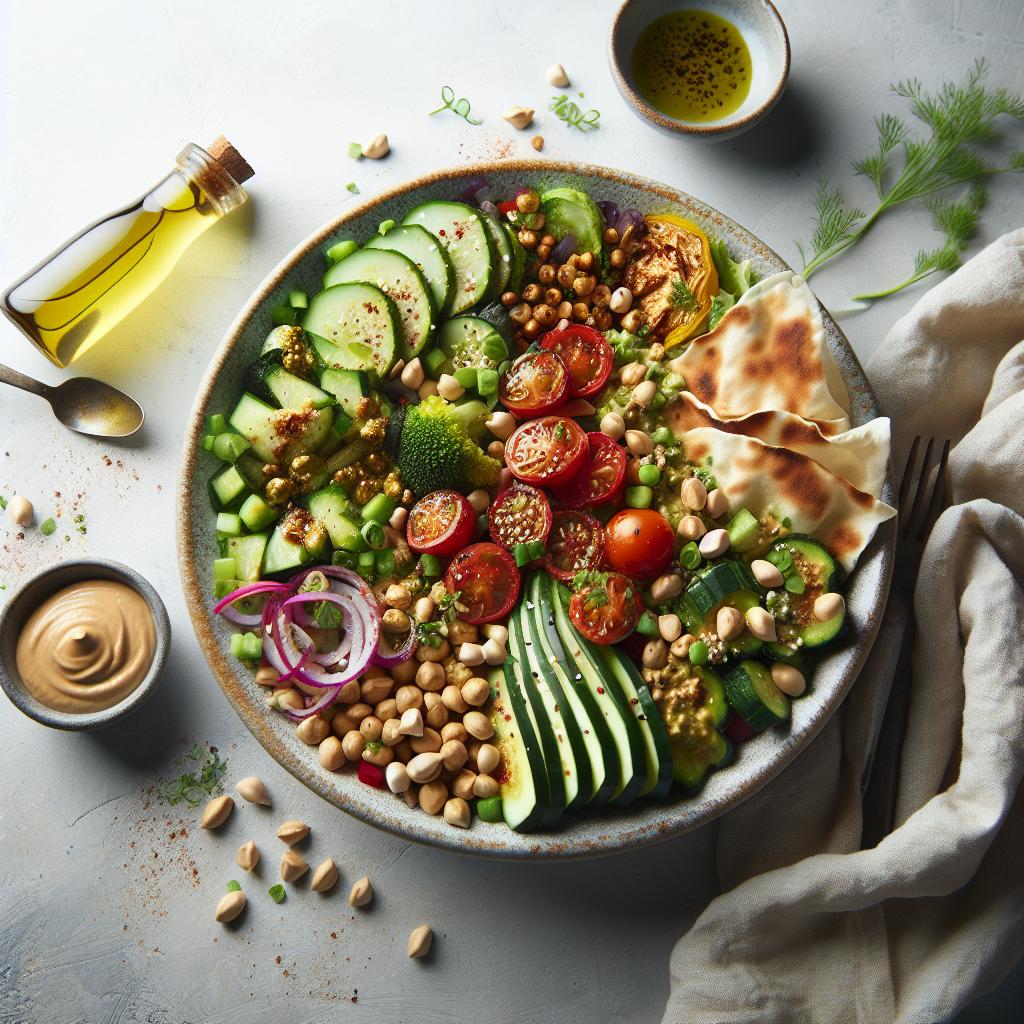

Nestled within the vibrant tapestry of Middle Eastern cuisine lies a humble yet enchanting ingredient that has quietly stolen the spotlight-tahini. This creamy, nutty paste, crafted from ground sesame seeds, is far more than just a condiment; it is a culinary cornerstone that carries centuries of tradition in every silky spoonful. From the bustling souks of Beirut to the sun-drenched kitchens of Jerusalem, tahini blends seamlessly into iconic dishes, weaving warmth and depth into flavors both simple and sophisticated. In “Tahini Unveiled: The Creamy Secret of Middle Eastern Cuisine,” we embark on a flavorful journey to explore how this ancient staple transforms everyday meals into extraordinary experiences, revealing the rich history and versatile magic behind one of the region’s most cherished treasures.
Tahini Unveiled offers a sumptuous journey into the heart of Middle Eastern kitchens, where this creamy sesame seed paste transcends mere ingredients to embody centuries of culinary tradition and cultural pride. Rich and velvety, tahini’s history is woven through ancient civilizations that prized sesame seeds for their nourishing qualities and unique flavor. In homes across the region, tahini serves as more than a condiment-it is a symbol of hospitality, resilience, and shared heritage, elevating dishes with its earthy depth and silky smoothness.
Prep and Cook Time
- Preparation Time: 10 minutes
- Cooking Time: 5 minutes (toasting sesame seeds)
- Total Time: 15 minutes
Yield
Approximately 1 cup (240 ml) of tahini paste
Difficulty Level
Easy – Perfect for home cooks and beginners eager to embrace authentic Middle Eastern flavors
Ingredients
- 1 cup hulled sesame seeds
- 2-3 tablespoons neutral oil (such as grapeseed or light olive oil)
- 1/2 teaspoon fine sea salt (optional)
Instructions
- Toast the sesame seeds: Place the sesame seeds in a dry skillet over medium heat. Toast, stirring frequently, for 5 minutes or until fragrant and lightly golden. Be careful not to burn them, as this will impart bitterness.
- Cool the seeds: Transfer the toasted seeds to a plate and allow them to cool completely. This step ensures a smoother blend and preserves the delicate oils.
- Grind the seeds: In a food processor or high-powered blender, pulse the toasted sesame seeds until a crumbly paste forms, scraping down the sides as needed to promote even blending.
- Add oil gradually: With the machine running, slowly drizzle in 2 tablespoons of oil. Continue blending for 2-3 minutes, stopping to scrape the sides occasionally, until the mixture becomes creamy and smooth. Add more oil as necessary to achieve the desired consistency.
- Season and adjust: Stir in salt to taste. Blend briefly one last time to incorporate.
- Store: Transfer the tahini to a clean airtight container. Refrigerate and use within 2-3 weeks for optimal freshness.
Tips for Success
- Use hulled sesame seeds for a smoother, less bitter tahini. Toasting brings out nuttiness but watch carefully to avoid over-darkening.
- Customize texture: For a thicker tahini, use less oil; for lighter, more flowy results, add oil incrementally.
- Alternative appliances: A mortar and pestle or spice grinder work well for smaller batches, enabling control over texture.
- Make ahead: Tahini improves with rest; allow it to chill for a day to let flavors meld beautifully.
- Troubleshoot: If tahini is grainy, continue blending longer. Adding a small splash of warm water can also help smooth it out.
Serving Suggestions
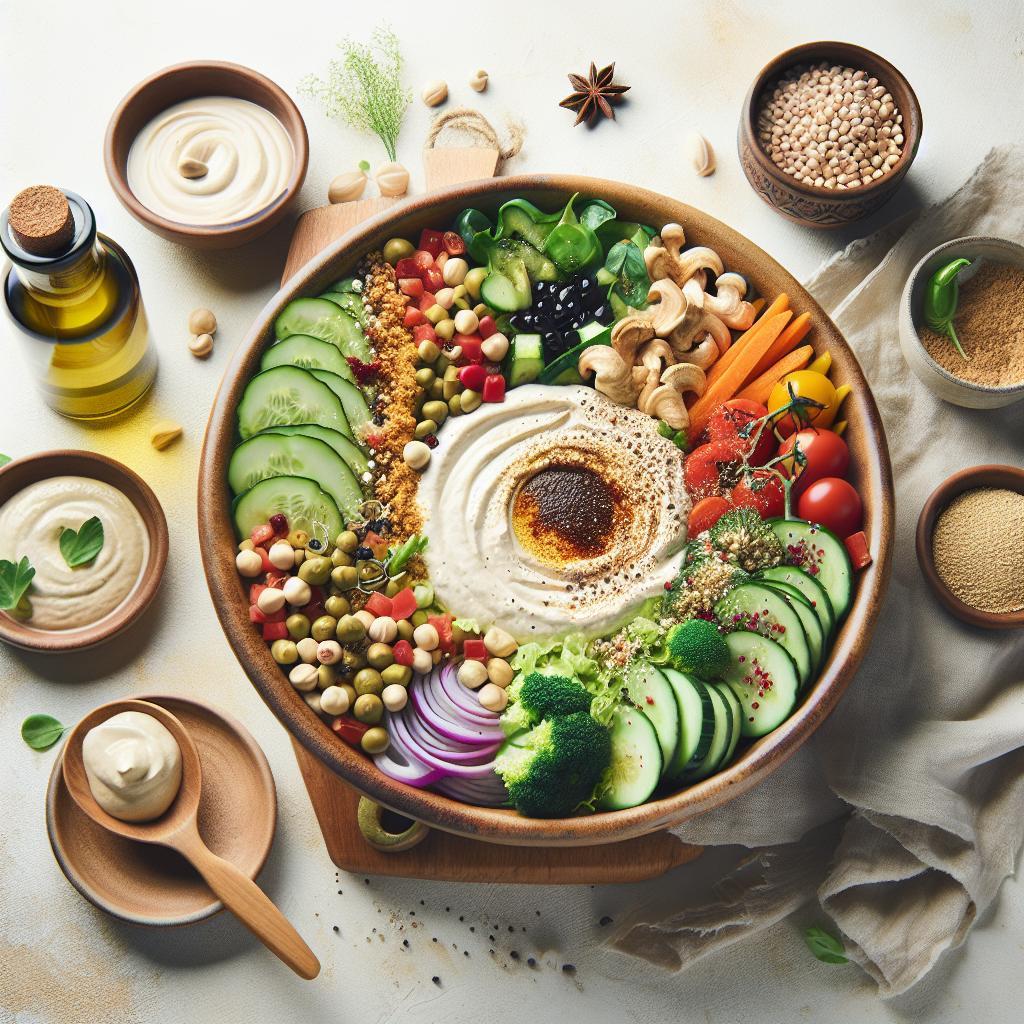
Brighten your tahini with a drizzle of extra virgin olive oil and a sprinkle of sumac or toasted pine nuts for an authentic garnish. Use it as a base for beloved dips like hummus or baba ganoush, spread it on warm pita bread, or whisk it with lemon juice and garlic for a tangy salad dressing. For an adventurous twist, blend tahini into smoothies or desserts to impart a rich, creamy undertone that complements both sweet and savory flavors.

| Nutrient | Per 2 tbsp (30g) |
|---|---|
| Calories | 180 kcal |
| Protein | 5 g |
| Carbohydrates | 6 g |
| Fat | 16 g |
Discover more about Middle Eastern culinary treasures in our Mediterranean flavors exploration. For an authoritative history on sesame and tahini’s place in global cuisine, visit Britannica’s tahini entry.
Q&A
Q&A: Tahini Unveiled: The Creamy Secret of Middle Eastern Cuisine
Q1: What exactly is tahini?
A1: Tahini is a smooth, creamy paste made from ground toasted sesame seeds. Originating from the Middle East, it’s a culinary gem prized for its nutty flavor and velvety texture. Think of it as the sesame seed’s rich and luscious alter ego, transforming humble seeds into a versatile kitchen staple.
Q2: How did tahini become a staple in Middle Eastern cuisine?
A2: Tahini’s journey dates back thousands of years, weaving through ancient Middle Eastern cultures where sesame seeds were abundant. Its ability to add depth and creaminess without overpowering other flavors made it a natural darling in classic dishes, from dips to desserts. Tradition met taste, and tahini quickly embedded itself as a pantry hero.
Q3: What are some iconic dishes that feature tahini?
A3: Tahini stars in many beloved Middle Eastern delights. The legendary hummus is its most famous showcase, where tahini blends with chickpeas and lemon to create a luscious dip. Baba ganoush uses it to add richness to smoky eggplant. Even sweets like halva derive their distinctive nutty creaminess from tahini.
Q4: Is tahini only for savory dishes?
A4: Absolutely not! While it’s a powerhouse in savory recipes, tahini’s subtle sweetness and smooth texture make it a secret weapon in sweet treats too. Drizzle it over ice cream, swirl it into brownies, or mix it with honey for a heavenly spread. Tahini dances effortlessly between savory and sweet realms.
Q5: What health benefits does tahini offer?
A5: Beyond taste, tahini is a nutritional treasure chest. Rich in healthy fats, protein, vitamins like B and E, and minerals such as calcium and magnesium, it fuels the body and supports heart health. Plus, its natural antioxidants help fight inflammation, all while delighting your taste buds.
Q6: How can I incorporate tahini into my everyday cooking?
A6: Tahini’s versatility means it can sneak into almost any dish. Use it as a salad dressing base by mixing with lemon and garlic, swirl it into soups for creamy body, or spread it on toast topped with fresh fruit. Experiment boldly-tahini loves to play and elevate everyday meals.
Q7: Any tips for buying and storing tahini?
A7: Look for tahini made from pure, lightly toasted sesame seeds without additives. Natural separation (oil rising to the top) is normal-just stir well! Store it in a cool, dark place or refrigerate after opening to maintain freshness and prevent bitterness. Enjoy the rich, nutty aroma each time you dip your spoon in.
Q8: Can tahini be homemade?
A8: Definitely! Homemade tahini is surprisingly simple: toast sesame seeds lightly, then blend until creamy and smooth. Adjust the texture with a splash of mild oil if needed. Making tahini at home lets you control freshness and flavor depth, crafting your personal creamy secret to Middle Eastern magic.
Tahini is more than just a condiment-it’s a gateway to the heart of Middle Eastern cooking, a creamy whisper of history, culture, and flavor. Discover it, savor it, and let it transform your kitchen adventures!
In Conclusion
As we peel back the layers of tahini’s rich history and versatile uses, it becomes clear that this creamy, nutty elixir is far more than just a humble condiment. It is a culinary bridge connecting centuries of tradition with the vibrant evolution of Middle Eastern cuisine. Whether drizzled over a warm plate of falafel, stirred into luscious hummus, or blended into decadent desserts, tahini offers a depth of flavor that is both timeless and contemporary. Embracing tahini means inviting a world of culture, nutrition, and creativity onto your plate-an invitation well worth savoring. So next time you encounter this golden paste, remember: within its silky embrace lies the secret soul of Middle Eastern cooking, waiting to enrich your culinary journey.