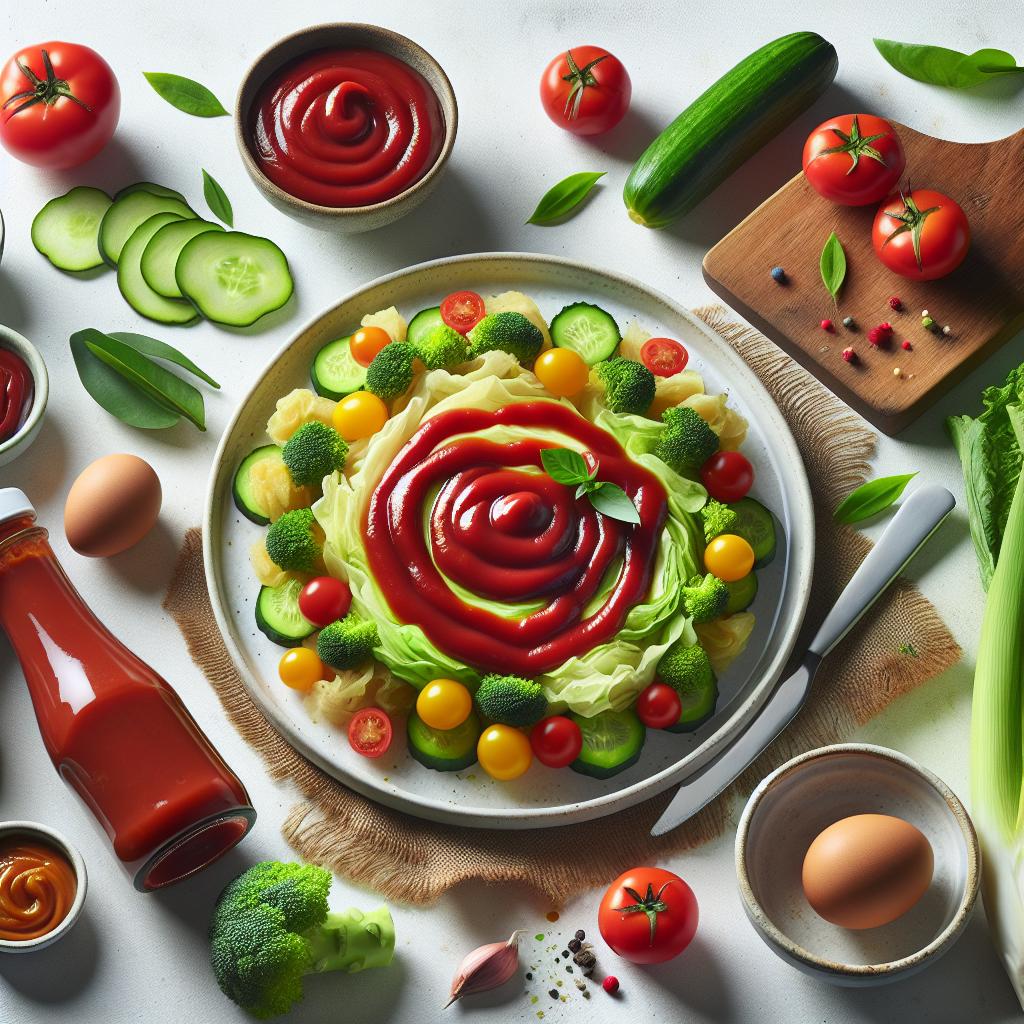

There’s something deeply satisfying about crafting your own ketchup from scratch-fresh tomatoes, a splash of vinegar, a pinch of spice-all mingling together in a bubbling symphony of flavor. But then, just when you’re ready to savor that homemade masterpiece, your ketchup greets you with a hue that’s… unexpected. Instead of the familiar vibrant red, it bears a shade that makes you wonder, “Did I accidentally concoct something else?” Fear not! This colorful conundrum is more common than you’d think, and it holds fascinating secrets about the science and art behind homemade ketchup. Join us as we unravel the reasons why your ketchup might turn the “wrong” color-and what it means for your kitchen creation.
When Your Homemade Ketchup Turns the “Wrong” Color: unlocking the vibrant spectrum behind your sauce’s hues reveals the fascinating chemistry of tomato pigments. Whether your ketchup leans more toward deep crimson or a confusing muddy shade, understanding each color’s origin empowers you to craft that perfect, appetizing bottle brimming with homemade goodness.
Prep and Cook Time
Preparation: 15 minutes Cooking: 45 minutes Total: 1 hour
Yield
Approximately 2 cups of rich, homemade ketchup
Difficulty Level
Medium – Requires attention to cooking time and ingredient balance for ideal color and flavor
Ingredients
- 2 pounds fresh ripe tomatoes, preferably plum or Roma, chopped
- 1 small onion, finely chopped
- 2 cloves garlic, minced
- 1/4 cup apple cider vinegar, for a bright tang and color stabilization
- 1/4 cup brown sugar, for natural sweetness
- 1 teaspoon smoked paprika, adds depth and slight red tint
- 1/2 teaspoon salt
- 1/4 teaspoon ground cinnamon, enhances warmth and color complexity
- 1/8 teaspoon ground cloves, intensifies pigment retention
- 1 tablespoon tomato paste, boosts vibrant red pigment concentration
- 1 tablespoon olive oil
Instructions
- Sauté the Aromatics: In a large saucepan, heat olive oil over medium heat. Add onion and garlic, stirring until translucent and fragrant, about 5 minutes. Be careful not to brown, as excessive caramelization may darken your ketchup.
- Add Tomatoes and Simmer: Stir in the chopped fresh tomatoes and tomato paste to intensify color. Reduce heat to low and cook gently, stirring occasionally, until tomatoes break down and the mixture thickens (approximately 30 minutes). This slow simmer preserves natural lycopene pigments responsible for that signature red hue.
- Incorporate Spices and Sweetener: Mix in brown sugar, vinegar, smoked paprika, cinnamon, cloves, and salt. Each spice subtly influences color through their own natural pigments and acidity, which helps maintain the vibrant coloring of your ketchup.
- Blend to Smooth Consistency: Use an immersion blender or transfer to a countertop blender to puree the mixture until smooth. A silky texture allows even color distribution, enhancing visual and sensory appeal.
- Reduce to Desired Thickness: Return the blended sauce to the saucepan and simmer gently, stirring frequently, until thickened to your liking-about 10 to 15 minutes. Avoid overheating, as high temperatures can dull the bright red pigments, causing a brownish tint.
- Cool and Store: Allow to cool before transferring to sterilized glass jars. The color may deepen slightly as it rests, settling into a glossy, appetizing red.
Chef’s Notes and Tips for Success
- Tomato Selection Matters: Using fully ripe red tomatoes high in lycopene ensures a rich red base. Yellow tomatoes can shift your ketchup toward orange tones.
- Acidity is Your Color Ally: Vinegar stabilizes pigment but use moderate quantities to avoid overt sourness. Apple cider vinegar is ideal for its mild sweetness and color preservation.
- Tomato Paste Enhances Pigment: Adding it boosts both color and richness; skipping it may result in a paler, watery ketchup.
- Control Heat During Cooking: High heat can degrade pigments, so maintain gentle simmering for a vibrant finish.
- Spices Influence Hue: Smoked paprika lends a smoky reddish tint; cinnamon and cloves deepen color complexity. Adjust spices for personal palette preferences.
- Make-Ahead Magic: Flavor and color deepen after resting 24 hours in the refrigerator. This resting period mellows sharpness and unifies the hues.
- Troubleshooting Dull or Brownish Ketchup: This usually stems from overcooking or uneven heat distribution. Stir frequently and remove promptly when thickened.
Serving Suggestions
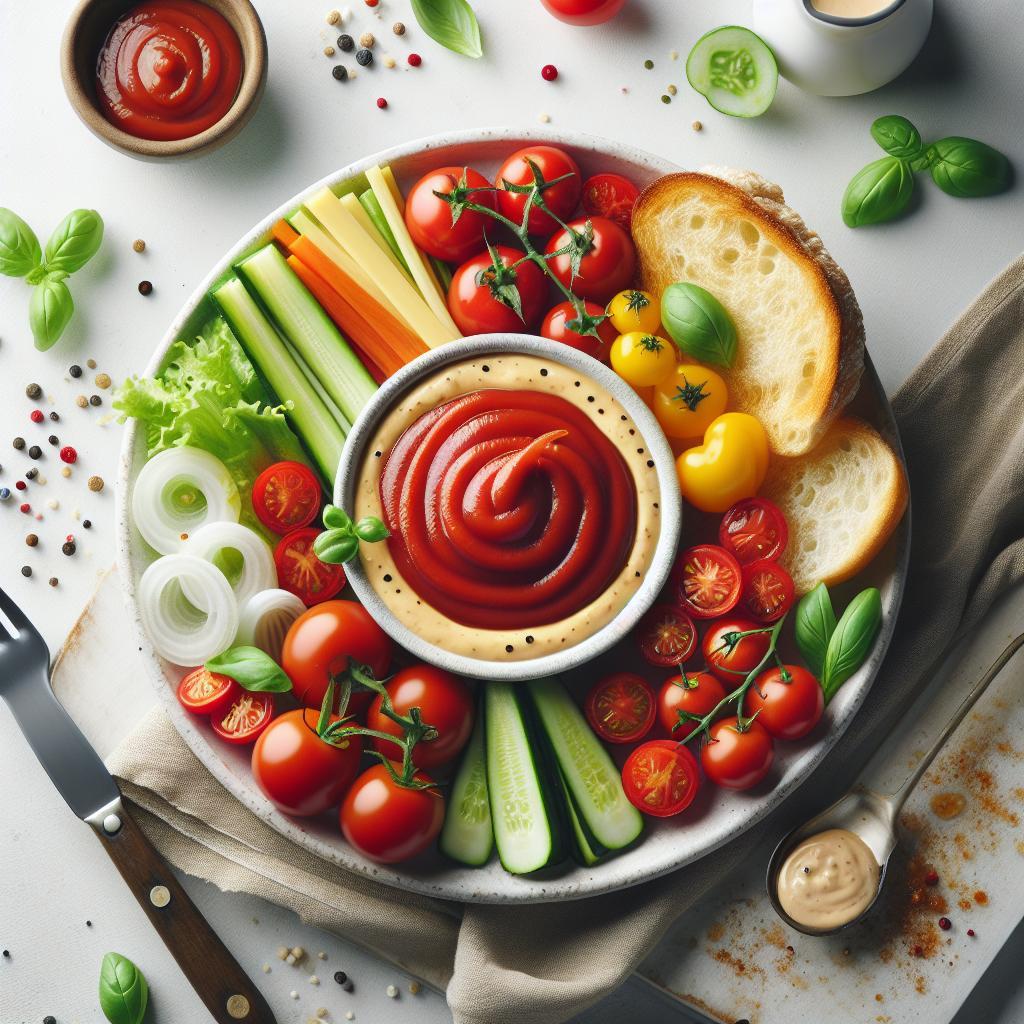
Present your luscious homemade ketchup alongside crispy fries, juicy burgers, or roast vegetables for a naturally vibrant dip that brightens every plate. Garnish with a sprinkle of fresh chopped parsley or chives to set off the deep red hue and add a refreshing pop of green. Drizzle a small swirl atop grilled meats or mix into barbecue sauces for extra depth of color and flavor.
| Nutrition (per 2 tbsp) | Amount |
|---|---|
| Calories | 30 |
| Protein | 0.5g |
| Carbohydrates | 7g |
| Fat | 0.3g |

For more on homemade tomato sauces, see our Complete Guide to Tomato Sauces. To understand the chemistry of tomato pigments further, visit the NCBI article on Lycopene Stability.
Q&A
Q: Why did my homemade ketchup turn out a weird color instead of bright red?
A: Ah, the color conundrum! Homemade ketchup can shift away from that classic bright red because of the type of tomatoes used, cooking time, and even the pH balance. For instance, using tomatoes that are less ripe or too acidic can yield a darker or even brownish hue. Also, prolonged cooking can caramelize the sugars, deepening the color.
Q: Can the type of tomato really change the ketchup’s color?
A: Absolutely! Tomatoes aren’t all created equal. Plum tomatoes tend to make richer red sauces, while heirloom or green tomatoes might create a tangier, sometimes muddier-colored ketchup. The natural pigments-lycopene and beta-carotene-vary and influence that signature red.
Q: Is it safe to eat homemade ketchup if it doesn’t look like the store-bought version?
A: Most definitely! Color isn’t always a measure of safety or flavor. As long as your ketchup smells fresh, tastes good, and was prepared with clean equipment, it’s safe and delicious-even if it looks a bit different from the commercial stuff.
Q: Could cooking temperature or time affect ketchup color?
A: Yes! High heat or long simmering can cause Maillard reactions and caramelization, turning the ketchup darker and sometimes giving it a richer, deeper taste. If you want a brighter red, try cooking on lower heat and for a shorter time, watching carefully.
Q: Does adding vinegar or sugar impact the color?
A: Adding vinegar can brighten flavors and slightly impact color by affecting acidity, which can influence pigment stability. Sugar, when caramelized, can deepen the color. Balancing these ingredients is part science, part art for that perfect homemade ketchup shade.
Q: How can I ensure my ketchup stays a nice, appetizing red?
A: Use ripe, high-quality red tomatoes, cook gently, and add vinegar towards the end of cooking to preserve brightness. Also, avoid overcooking and consider using a splash of lemon juice to help maintain that vibrant color.
Q: Can the pH level really change ketchup’s color?
A: Definitely! Tomato pigments are sensitive to acidity. A lower pH (more acidic) can keep your ketchup looking brighter red, while a higher pH might darken it. That’s why vinegar is a ketchup staple-not just for flavor but for color preservation too.
Q: What if my ketchup is purple or oddly brown – is that normal?
A: Purple or deep brown hues can happen depending on tomato variety or cooking method. For example, some heirloom tomatoes have purplish flesh. While it might surprise you visually, it’s often perfectly normal and tasty!
Q: Can homemade ketchup be customized color-wise?
A: Absolutely! Experiment with tomato varieties, cooking times, and added ingredients like roasted red peppers or spices. Each tweak can paint your sauce a different shade and flavor, from bright crimson to deep mahogany.
Q: Any final tips for achieving homemade ketchup perfection?
A: Patience and curiosity are your best friends. Taste as you go, adjust acidity, and embrace that homemade charm-sometimes a “wrong” color is the right flavor adventure waiting to happen!
Key Takeaways
So next time your homemade ketchup surprises you with a hue that’s a little off the classic red script, remember: color is just one chapter in the rich, flavorful story of your creation. Whether it leans toward a deep burgundy, a sun-kissed orange, or even a rustic brown, each shade reflects the natural ingredients, cooking time, and chemistry at play. Embrace these colorful quirks-they’re the fingerprints of your kitchen craft, reminding us that homemade means wonderfully unique every time. After all, in the world of homemade ketchup, it’s not about fitting a mold, but savoring the vibrant journey from vine to spoon.