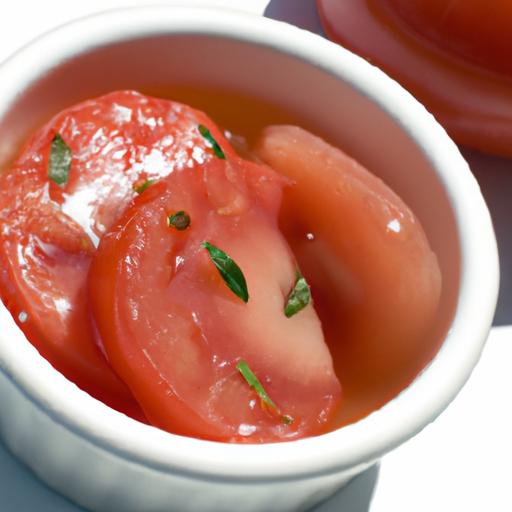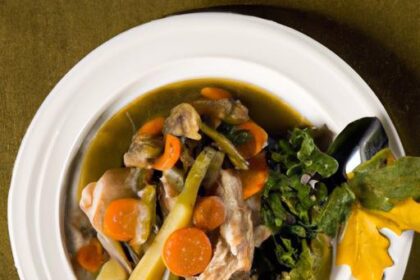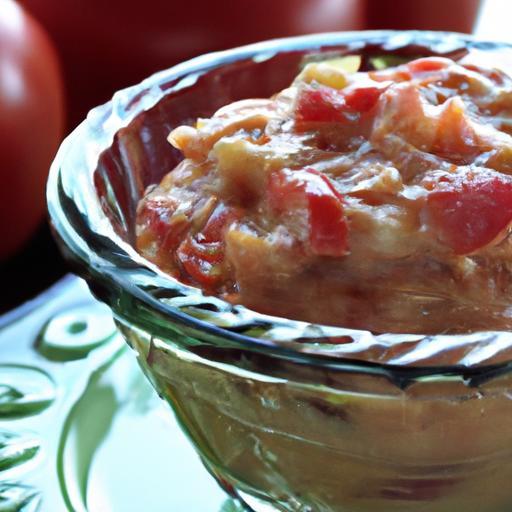

There’s a magic lurking in your pantry: a humble can of tomatoes, waiting to transform ordinary dishes into vibrant culinary experiences. From tangy sauces to hearty stews, canned tomatoes are the unsung heroes of kitchens worldwide, offering convenience without sacrificing depth of flavor. But unlocking their full potential requires a little know-how-a few simple techniques that elevate their natural brightness and richness. In this article, we’ll explore the best ways to use canned tomatoes, turning this everyday staple into a powerhouse ingredient that breathes life into your meals. Prepare to rediscover canned tomatoes as the bold, versatile flavor boosters they were meant to be.
Choosing the Right Canned Tomatoes for Every Dish
Unlocking flavor begins with selecting the perfect canned tomatoes tailored for your culinary creation. Whether you’re simmering a hearty stew or crafting a silky sauce, understanding the varieties available-whole peeled, crushed, diced, or pureed-can transform an ordinary meal into something extraordinary. Whole peeled tomatoes offer vibrant texture and a fresh, balanced acidity perfect for slow-cooked ragùs and chunky salsa, while crushed tomatoes lend themselves to smooth, well-integrated sauces. For a quick soup or stew, diced tomatoes introduce pleasant bursts of tomato essence, and pureed tomatoes provide a velvety base for elegant bisques or curries.
When buying canned tomatoes, always check for added salt or preservatives if aiming for a clean, fresh flavor. Opt for brands that use San Marzano or vine-ripened tomatoes if available; their naturally sweet and rich profiles are a game-changer in depth and authenticity.
Enhancing Sauces and Soups with Simple Techniques
Canned tomatoes are wonderful on their own, but a few simple techniques elevate their flavor and mouthfeel dramatically. Begin by gently sautéing diced onions and fresh garlic in olive oil until fragrant and golden; this builds a caramelized sweetness that compliments the tomatoes beautifully. Adding a pinch of sugar can balance acidity if the tomatoes feel too sharp.
For richer sauces, stir in a splash of good-quality balsamic vinegar or a dollop of tomato paste near the end of cooking to intensify the umami. When simmering soups, finish with fresh herbs like basil, oregano, or thyme to add brightness and freshness. If your tomatoes have a watery texture, simmer uncovered to concentrate the flavors and thicken the liquid. Blending a portion of your sauce or soup with an immersion blender introduces a lovely body while retaining some rustic texture.
Creative Recipes That Bring Canned Tomatoes to Life
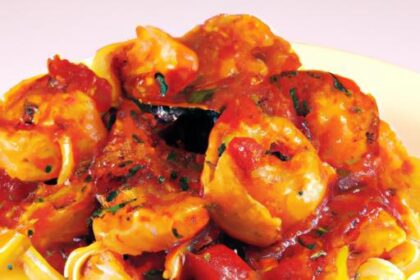
Unlock vibrant dishes by experimenting with canned tomatoes beyond the usual pasta sauce. Try a rustic shakshuka where canned diced tomatoes become a spicy, comforting bath for poached eggs-garnish with fresh cilantro and feta for a flavor explosion. Or make a smoky chipotle chili using whole peeled tomatoes for a bold, textured base filled with beans, peppers, and ground meat.
Another inspired idea is a homemade tomato and basil focaccia topped with thick dollops of tomato sauce made from crushed canned tomatoes seasoned with garlic, olive oil, and fresh herbs. For an indulgent twist, simmer canned tomatoes with cream and roasted red peppers to create a luscious pink sauce perfect over grilled chicken or gnocchi.
Storing and Preserving Canned Tomatoes for Maximum Freshness
Once opened, transferring canned tomatoes from the metal container to an airtight glass jar or plastic container extends freshness and prevents metallic flavors. Refrigerate and use within 5 to 7 days for optimal taste. For longer preservation, freeze tomatoes in portion-sized containers or ice cube trays; frozen cubes thaw quickly and blend seamlessly into sauces and soups.
To maintain peak flavor in your pantry, store unopened canned tomatoes in a cool, dark place away from heat and humidity. Regularly check expiration dates and rotate older cans to the front so you use the freshest ingredients first. This mindful approach ensures every dish you create with canned tomatoes is bursting with the freshest, most vibrant taste possible.
Prep and Cook Time
- Prep Time: 10 minutes
- Cook Time: 30 minutes (varies per recipe)
Yield
- 4-6 servings (depending on recipe size)
Difficulty Level
- Easy to Medium, adaptable for beginners and seasoned cooks alike
Ingredients
- 2 cans (28 oz each) whole peeled canned tomatoes, preferably San Marzano
- 2 tbsp extra virgin olive oil
- 1 medium yellow onion, finely diced
- 4 cloves garlic, minced
- 1 tsp sugar (optional, to balance acidity)
- Salt and freshly ground black pepper, to taste
- Handful fresh basil leaves, chopped
- 1 tbsp tomato paste (for richer sauce)
- Red pepper flakes (optional, for heat)
Instructions
- Prepare the aromatics: In a large skillet or saucepan, heat olive oil over medium heat. Add diced onion and sauté until translucent, about 5 minutes, stirring occasionally to avoid browning.
- Add garlic: Stir in minced garlic and cook for 1-2 minutes until fragrant, taking care not to burn it.
- Incorporate tomatoes: Crush the whole peeled tomatoes by hand or with a spoon as you add them to the pan, including their juices. Stir gently to combine.
- Season: Add tomato paste, salt, pepper, and sugar if using. Sprinkle in red pepper flakes if desired for a subtle kick.
- Simmer: Bring the sauce to a gentle boil, then reduce heat to low and let simmer uncovered for 20-30 minutes, stirring occasionally until the sauce thickens and flavors meld.
- Finish with herbs: Remove from heat and stir in fresh basil. Taste and adjust seasoning as needed.
- Serve or preserve: Use immediately over pasta, in soups, or other recipes, or let cool completely before storing in airtight containers.
Tips for Success
- For a smoother sauce, use an immersion blender halfway through simmering.
- If the sauce tastes flat, a dash of high-quality balsamic vinegar can add depth.
- Use leftover sauce as a flavorful base for casseroles, pizza, or dips.
- Always taste as you cook; canned tomato varieties vary in acidity and sweetness.
- Make ahead: this sauce can be prepared days in advance and tastes even better after resting.
Serving Suggestions
Plate your tomato sauce over freshly cooked pasta with a sprinkle of grated Parmesan and torn basil leaves for a classic presentation. For soups, ladle generously into bowls, topping with a drizzle of extra virgin olive oil and crusty bread on the side. Garnish dishes with chopped parsley, a swirl of cream, or toasted pine nuts to add texture and visual appeal.

| Nutrient | Amount per Serving |
|---|---|
| Calories | 140 |
| Protein | 3g |
| Carbohydrates | 18g |
| Fat | 7g |
For more creative tomato sauce variations, visit our tomato sauces inspiration page. Learn about the health benefits and history of San Marzano tomatoes in detail from TomatoFest.org.
Q&A
Q: Why are canned tomatoes considered a kitchen superhero?
A: Canned tomatoes come pre-ripened and perfectly packed at peak freshness, making them a reliable ingredient bursting with deep, concentrated flavor year-round. They save you time and effort while unlocking vibrant, rich tastes in your dishes.
Q: How can I enhance the flavor of canned tomatoes before adding them to my recipe?
A: Treat canned tomatoes like a treasure chest-start by sautéing aromatics like garlic, onions, or chili flakes in olive oil. Then, toss in the tomatoes and let them simmer gently. Adding a pinch of sugar or a splash of balsamic vinegar can brighten and balance their natural acidity.
Q: What’s the secret to making a velvety tomato sauce using canned tomatoes?
A: Simmer your canned tomatoes low and slow, then blend them smooth for a silky texture. Stir in a knob of butter or a drizzle of cream at the end to add luxury and roundness that coats the palate with every bite.
Q: Can canned tomatoes be used beyond sauces?
A: Absolutely! Think beyond spaghetti-canned tomatoes shine in soups, stews, shakshuka, chili, and even baked dishes. They add a vibrant punch to rice, lentils, and hearty vegetable bakes, transforming simple meals into unforgettable flavor experiences.
Q: Is there a best way to store leftover canned tomatoes?
A: Once opened, transfer leftover tomatoes to an airtight container and refrigerate. They’ll stay fresh for up to 5 days. For longer storage, freeze them in portions-ice cube trays are perfect for adding pops of tomatoey goodness to future recipes.
Q: How do different types of canned tomatoes affect cooking?
A: Whole peeled tomatoes offer versatility, perfect for crush-and-simmer sauces, while diced tomatoes add texture and a pleasant chunkiness. Fire-roasted varieties bring smoky depth, and tomato purée or paste concentrates intense tomato flavor for richer dishes.
Q: Can I replace fresh tomatoes with canned in any recipe?
A: Typically, yes! Canned tomatoes are often more flavorful and consistent than fresh tomatoes out of season. Just adjust seasoning and cooking time as needed, since canned tomatoes are already cooked and concentrated.
Q: What’s a creative tip to unlock new flavors with canned tomatoes?
A: Try roasting canned tomatoes with herbs and a drizzle of olive oil before adding them to your dish. This elevates their sweetness and adds a caramelized, smoky twist that will surprise and delight your taste buds.
Unlock the magic of canned tomatoes and watch your everyday meals burst with bold, vibrant flavor!
To Wrap It Up
As the humble canned tomato reveals its vibrant depths, it becomes clear that this pantry staple is much more than just a convenience-it’s a key to unlocking a world of bold, rich flavors in your kitchen. From simmering sauces that dance with complexity to brightening soups and stews, canned tomatoes invite you to explore culinary creativity with ease and confidence. So next time you reach for that can, remember: within it lies a burst of sunshine and savory magic, ready to transform your dishes and elevate every bite. Embrace the versatility, savor the taste, and unlock flavor in ways you never imagined.