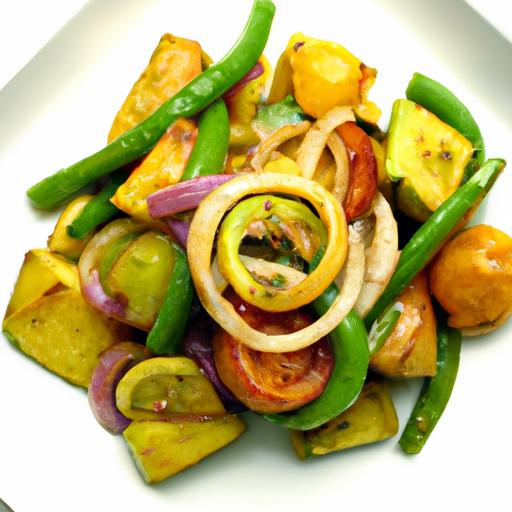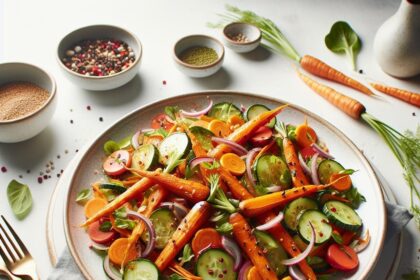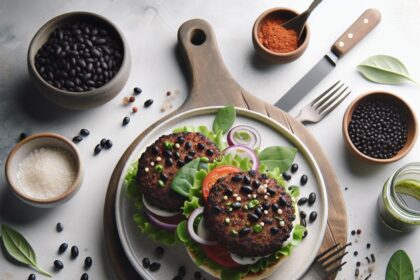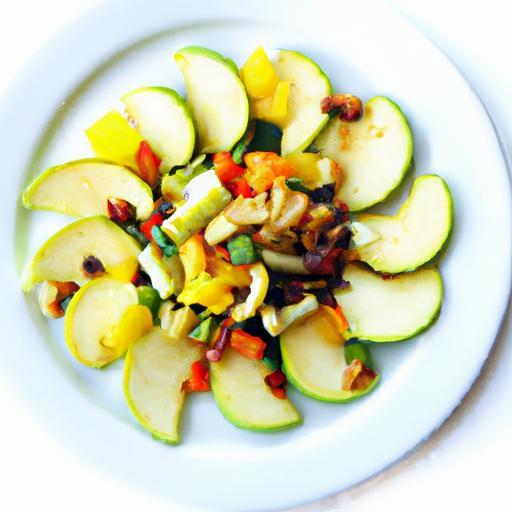

In the bustling symphony of a kitchen, even the smallest players-those forgotten veggie scraps-hold a surprising power. Instead of tossing away those stubborn carrot ends, wilted spinach stems, or the last few outer leaves of cabbage, imagine transforming them into culinary gold. Small veggie scraps are more than mere leftovers; they’re the humble heroes of sustainable cooking, ready to unlock fresh flavors, reduce waste, and elevate your meals in unexpected ways. Join us as we explore clever uses for these often-overlooked bits, turning what once seemed like refuse into delicious, resourceful creations that celebrate the art of thrifty, thoughtful cooking.
Transforming Scraps into Flavorful Broths and Stocks: Smart Uses for Leftover Bits
Small veggie scraps? Clever uses for leftover bits can effortlessly elevate your cooking while reducing waste. One of my favorite kitchen rituals is transforming those forgotten peels, stems, and cores into rich, aromatic broths and stocks-secret foundations of countless recipes. This tradition, rooted in humble home cooking worldwide, breathes new life into what many overlook.
Prep and Cook Time
- Prep Time: 15 minutes (for collecting and prepping scraps)
- Cook Time: 1 hour 30 minutes
Yield
- About 6 cups of fragrant vegetable broth
Difficulty Level
- Easy – perfect for all cooks, especially sustainable kitchen beginners
Ingredients
- 4 cups assorted small veggie scraps (onion skins, carrot tops, celery leaves, mushroom stems)
- 1 large onion, roughly chopped (include skin for color)
- 2 cloves garlic, smashed
- 1 medium carrot, chopped
- 2 stalks celery, chopped
- 6 cups filtered water
- 1 teaspoon whole black peppercorns
- 2 sprigs fresh thyme (or 1/2 teaspoon dried)
- 1 bay leaf
- Salt to taste (optional, add after cooking)
Instructions
- Gather your scraps: Collect small veggie scraps over a few days in a sealed container in the fridge until you have about 4 cups. Keep them fresh by storing away from moisture.
- Prep the aromatics: Roughly chop onion, carrot, and celery. Smash garlic cloves to release flavor.
- Combine ingredients: In a large stockpot, add veggie scraps, chopped onion, carrot, celery, garlic, peppercorns, thyme, and bay leaf.
- Add water and simmer: Pour in 6 cups of filtered water, ensuring veggies are submerged. Bring to a gentle simmer over medium heat, then reduce heat to low.
- Cook low and slow: Let broth simmer uncovered for 1 to 1.5 hours. Avoid boiling to keep flavors clean and clear.
- Strain the broth: Using a fine mesh strainer, strain broth into a clean container. Press gently on solids to extract maximum flavor.
- Cool and store: Let cool completely, then refrigerate for up to 3 days or freeze in portions up to 3 months.
Chef’s Notes
- Veggie scrap variety: Avoid brassicas like broccoli or cabbage as they can add bitterness.
- Add umami boosts: Enhance flavor with dried mushrooms or a splash of soy sauce when simmering.
- Make it ahead: Save scraps continuously and freeze until ready to batch cook your broth.
- No salt during cooking: Season your final dish because broth concentrates as it cooks.
Serving Suggestions
Use this vibrant homemade broth as a base for soups, risottos, or grains. It pairs beautifully with a ladle poured over roasted vegetables or as a light sipping broth garnished with freshly cracked pepper, a drizzle of herb oil, or chopped parsley for a fresh finish.
| Nutrient | Per Cup |
|---|---|
| Calories | 15 |
| Protein | 1 g |
| Carbohydrates | 3 g |
| Fat | 0 g |
Looking to dive deeper into sustainable cooking? Check out our related guide on Kitchen Composting Basics to learn how leftover bits can nourish your garden as well. For an expert take on vegetable stock benefits, Epicurious has an excellent resource.

Q&A
Q&A: Small Veggie Scraps? Clever Uses for Leftover Bits
Q1: What are some common vegetable scraps that usually get tossed but can be repurposed?
A1: Onion skins, carrot tops, celery leaves, mushroom stems, and broccoli stalks are classic veggie bits that often head straight to the compost or trash. Yet, these little leftovers pack big flavor and nutrients, making them perfect candidates for creative culinary or household uses.
Q2: How can I turn onion skins and carrot tops into something useful instead of throwing them away?
A2: Onion skins add a beautiful golden tint and rich depth to homemade vegetable broth-just toss them in the pot! Carrot tops can be transformed into vibrant pesto or finely chopped as a fresh herb substitute in salads and dressings.
Q3: Is it safe to use vegetable scraps for cooking?
A3: Absolutely-just make sure the scraps are fresh, clean, and free from mold or rot. Avoid any parts with pesticides if the veggies weren’t organic. When in doubt, give them a thorough rinse and use them promptly for the best results.
Q4: Besides broth, what clever ways can I use leftover veggie bits?
A4: Broth is a classic, but veggie scraps can become compost champions, flavor enhancers in stir-fries, or even natural dyes for fabrics. Some stems and leaves can be pickled or blended into smoothies for added nutrients. The key is thinking outside the peel!
Q5: What’s a quick tip to start saving and using vegetable scraps more efficiently?
A5: Keep a dedicated “scrap bag” in your freezer. Every time you peel or chop veggies, add the peelings, ends, and leaves to this bag. Once it’s full, simmer the contents to make a rich stock or use them in recipes. This habit reduces waste and infuses your meals with homemade goodness.
Q6: Can veggie scraps be used beyond the kitchen?
A6: Definitely! For instance, onion skins can dye Easter eggs or fabric naturally, while fibrous scraps like corn husks may be woven into eco-friendly crafts. Even blending scraps into homemade plant food or compost tea supports your garden’s health.
Q7: What’s the environmental impact of repurposing vegetable scraps?
A7: Using every bit of your veggies reduces food waste, lowers your carbon footprint, and cranks up your sustainability game. It minimizes landfill contributions and turns what might be trash into treasure-sometimes literally on your dinner plate!
Q8: How can someone get creative with mushroom stems and broccoli stalks?
A8: Mushroom stems add earthy umami when sautéed or incorporated into sauces, while broccoli stalks can be peeled and sliced for stir-fries, slaws, or roasted snacks. They’re crunchy, nutritious, and often overlooked treasures that deserve center stage.
Embrace your small veggie scraps-they’re the unsung heroes of the kitchen, ready to transform ordinary meals into extraordinary feasts while championing waste-free living!
Future Outlook
From zesting lemon peels into homemade cleaners to transforming carrot tops into vibrant pesto, small veggie scraps hold a universe of untapped potential. By embracing these clever uses for leftover bits, we not only reduce waste but also unlock new layers of flavor, nutrition, and creativity in our kitchens. So next time you’re tempted to toss those tiny trimmings, remember: even the smallest scraps can make a big impact-both on your meals and on the planet. Happy scrapping!