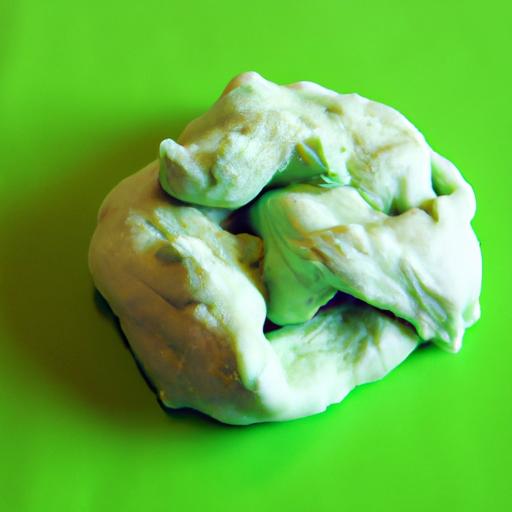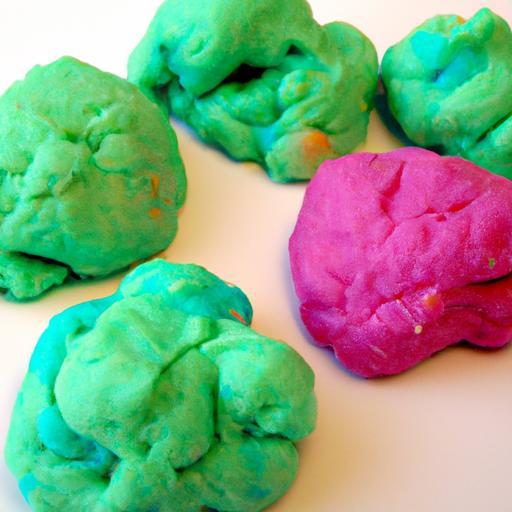

Imagine a world where creativity flows freely without the mess of boiling pots or the wait for dough to cool. Welcome to the delightful realm of no-cook homemade playdough! Perfect for kids and adults alike, this easy-to-make recipe transforms simple pantry staples into a vibrant, moldable masterpiece. Whether it’s a rainy afternoon craft or a sensory play session, this no-cook playdough promises endless fun and imagination-no stove required. Let’s dive into how you can whip up this colorful, safe, and soft dough in minutes, making playtime both effortless and extraordinary!
No-Cook Homemade Playdough Recipe: Easy fun for all ages begins right in your kitchen with this simple, safe, and vibrant playdough recipe. Crafted from everyday pantry staples, this colorful dough invites endless creativity, tactile exploration, and joyful sensory play without the fuss of cooking. Whether it’s a rainy afternoon activity or a birthday party craft, this recipe sparks imagination while encouraging hands-on learning for kids and adults alike.
Prep and Cook Time
Preparation: 10 minutes | Cooking: 0 minutes (No-Cook)
Yield
Approximately 4 cups of playdough, perfect for 4-6 children to share or for several creative sessions.
Difficulty Level
Easy – beginner-friendly and perfect for all ages.
Ingredients
- 2 cups all-purpose flour, sifted – the base for a smooth, pliable texture
- 1 cup fine salt – essential for preservation and firmness
- 2 tablespoons cream of tartar – adds elasticity and stretch
- 2 tablespoons vegetable oil – for a silky, non-sticky finish
- 1 to 1¼ cups boiling water – adjust based on dough consistency
- Food coloring or natural color powders (beetroot powder, turmeric) – your palette for vibrant hues
- Optional: Essential oils or vanilla extract – for personalized, delightful scents
Step-by-Step Guide to Mixing and Storing Your No-Cook Playdough
- Combine dry ingredients. In a large bowl, whisk together the flour, salt, and cream of tartar until well blended.
- Add color and oil. Stir in the vegetable oil and 5-6 drops of your chosen food coloring or natural powders. Mix briefly to evenly distribute the hue.
- Incorporate boiling water. Carefully pour in boiling water starting with 1 cup. Stir continuously with a sturdy spoon or silicone spatula. The dough will quickly come together.
- Knead until smooth. Once cool enough to handle, knead by hand on a clean surface for 3-5 minutes. Add a few drops of water or flour if the dough is too dry or sticky.
- Customize scent. Gently knead in 2-3 drops of essential oils such as lavender or peppermint, or use a small splash of vanilla extract for an irresistible aroma.
- Store properly. Keep your playdough fresh by sealing it tightly in an airtight container or zip-lock bag. Store at room temperature away from direct sunlight; it will last for weeks!
Creative Play Ideas to Spark Imagination with Homemade Dough
- Craft miniature food replicas: pizza slices, cupcakes, or sushi rolls with added beads and buttons for toppings.
- Create tactile story scenes: trees, animals, and characters for storytelling or stop-motion animation.
- Introduce sensory activities: hide small toys inside and encourage kids to find them by touch.
- Use cookie cutters and rolling pins for thematic shapes – seasonal, animals, letters, or numbers.
- Encourage collaborative mural building on a large tray, combining colors and textures.
Tips for Customizing Texture and Scent to Delight Every Sensory Preference
For a softer, silkier feel, substitute half the water with aloe vera gel or add a teaspoon of baby oil. To increase elasticity, add a pinch more cream of tartar. Adjust firmness by experimenting with flour or salt amounts in small increments.
Infuse scents by gently folding in culinary extracts like almond, lemon, or cinnamon. For subtle, soothing fragrance, essential oils such as chamomile or eucalyptus are excellent choices – always double-check for sensitivity, especially with young children.
Feeling adventurous? Mix in biodegradable glitter, small dried lavender buds, or colored sand for an extra tactile and visual delight.
Chef’s Notes
- Substitution alert: For gluten-free playdough, try using cornstarch or rice flour combinations, but be aware of altered texture and pliability.
- Make-ahead tip: This dough enjoys a day or two to rest in the container, improving flexibility and depth of color.
- Troubleshooting: If your dough cracks easily, knead in a teaspoon of water or oil; if too sticky, sprinkle on additional flour gradually.
- Eco-friendly color: Natural dyes from spinach (green), beetroot (pink), or turmeric (yellow) offer vibrant, non-toxic alternatives.
Serving Suggestions
Present your playdough on a clean, colorful silicone mat or shallow tray to catch stray crumbs. Include simple tools like plastic knives, cookie cutters, and rolling pins to invite hands-on fun. For educational play, pair the dough with themed printable activity sheets or linking to our Educational Playdough Activities Guide.
Turn playtime into a sensory party by placing small containers of scents, natural color powders, and sparkles nearby – little ones will love the multi-sensory adventure. Encourage sharing and collaboration by setting up a communal table with an array of dough colors and tools.
| Ingredient | Quantity | Function |
|---|---|---|
| All-purpose flour | 2 cups | Structure and bulk |
| Fine salt | 1 cup | Preserves and firms dough |
| Cream of tartar | 2 tbsp | Elasticity and stretch |
| Vegetable oil | 2 tbsp | Smoothness and moisture |
| Boiling water | 1 to 1¼ cups | Hydration and binding |
For more tips and innovative sensory play ideas, consider visiting the PBS Parents Sensory Play Guide.

Q&A
Q&A: No-Cook Homemade Playdough Recipe: Easy Fun for All Ages
Q1: What makes this no-cook homemade playdough recipe special?
A1: This recipe is a total game-changer because it skips the stove! No boiling or melting means it’s perfect for quick creativity sessions, no matter your age. Plus, it’s super easy and uses simple pantry ingredients you probably already have.
Q2: What ingredients do I need to make this playdough?
A2: You just need a handful of basic ingredients-flour, salt, cream of tartar, water, vegetable oil, and food coloring. That’s it! Each ingredient plays its part to create a soft, stretchy, and wonderfully moldable dough.
Q3: How long does it take to make this playdough?
A3: In just 5 minutes-yes, five!-you can mix up a batch of colorful, squishy fun. No cooking equals no waiting around for pots to boil or dough to cool.
Q4: Is this playdough safe for young children?
A4: Absolutely! It’s made with edible, non-toxic ingredients, making it safe for little hands. Just remind kids not to eat large amounts, as with any craft material.
Q5: How long does the homemade playdough last?
A5: Stored in an airtight container or plastic bag, your playdough can stay soft and pliable for up to two weeks. If it starts drying out, knead in a tiny bit of water to revive it.
Q6: Can I customize this recipe?
A6: Definitely! Swap food coloring shades to match your mood or season, add glitter for sparkle, or a few drops of essential oil for a scented sensory experience. The possibilities are as endless as your imagination.
Q7: What’s the best way to clean up after playtime?
A7: This dough is a dream to clean-just gather the chunks, and any residue usually wipes clean from most surfaces with a damp cloth. Wearing old clothes or aprons helps keep craft time mess-free.
Q8: Can this recipe be scaled up for bigger groups or classroom activities?
A8: For sure! This quick, no-cook method is perfect for classrooms or parties. Just multiply ingredients, mix in a large bowl, and watch the creative magic unfold with minimal fuss.
Q9: Why choose homemade playdough over store-bought?
A9: Beyond being cost-effective and customizable, homemade playdough fosters hands-on learning about textures and chemistry. Plus, you avoid preservatives and surprises in ingredients, ensuring a wholesome crafting adventure.
Q10: What are some fun ways to play with homemade playdough?
A10: The sky’s the limit! Roll it, squish it, shape animals, create pretend food, or use cookie cutters for themed designs. It’s perfect for sensory play, motor skill development, and endless imaginative storytelling.
To Conclude
And there you have it-a simple, no-cook homemade playdough recipe that brings endless joy without any fuss. Perfect for crafting colorful creations, sensory play, or rainy-day activities, this easy-to-make dough is a testament to how a handful of pantry ingredients can spark imagination for all ages. So gather your little artists, roll up your sleeves, and dive into the playful world of homemade fun-no oven required! Happy molding!