
In the quiet corners of your kitchen pantry lies a tiny packet of wonder-yeast, the silent alchemist that transforms simple dough into golden loaves and bubbly brews. Far more than just a baking staple, this humble microorganism holds secrets to a world of creative possibilities waiting to be unlocked. From signature homemade breads and effervescent beverages to unexpected culinary experiments and even eco-friendly projects, your bag of yeast is truly a bag of magic. Join us as we embark on a journey to discover innovative and surprising ways to unleash the full potential of yeast, turning everyday cooking and crafting into an extraordinary adventure.
Discovering the Science Behind Yeast and Its Multifaceted Powers
Unlocking Yeast: Creative Uses for Your Bag of Magic transforms your kitchen adventures by revealing how yeast’s living nature can elevate more than just bread. From its microscopic fermentation magic to its pivotal role in flavor development, yeast is truly a culinary powerhouse waiting to be unleashed.
Prep and Cook Time
- Preparation: 20 minutes
- Fermentation: 1-2 hours (depending on recipe)
- Cooking/Baking: 30-40 minutes
- Total: Approximately 2 hours
Yield
- Serves 8-10
Difficulty Level
- Medium – perfect for adventurous home cooks comfortable with timing fermentations and activating yeast
Ingredients
- 3 cups all-purpose flour, sifted
- 1 packet (7g) active dry yeast
- 1 cup warm water (around 110°F / 43°C)
- 2 tbsp granulated sugar
- 1 tsp kosher salt
- 2 tbsp olive oil
- Optional: herbs such as rosemary or thyme for flavor infusion
Instructions
- Activate the yeast: In a small bowl, combine the warm water and sugar, then sprinkle the yeast over the top. Let it stand 5-10 minutes until frothy. This indicates the yeast is alive and ready.
- Mix the dough: In a large bowl, whisk together the sifted flour and salt. Create a well in the center and pour in the activated yeast mixture and olive oil. Stir gently with a wooden spoon until a shaggy dough forms.
- Knead thoroughly: Transfer the dough onto a lightly floured surface. Knead for 8-10 minutes until smooth and elastic. Tip: A slightly tacky texture is ideal; add flour sparingly if sticky.
- First fermentation: Shape dough into a ball and place it in a lightly oiled bowl. Cover with a damp cloth or plastic wrap. Let it rise in a warm environment until doubled in size, about 1-2 hours. To test readiness, gently press a finger into the dough-it should spring back slowly.
- Shape and proof: Deflate the dough and shape it into your desired form (loaf, rolls, or focaccia). For flavor variation, press in fresh herbs or a drizzle of olive oil. Cover and let proof for another 30-45 minutes.
- Bake to perfection: Preheat your oven to 375°F (190°C). Bake on a parchment-lined tray for 25-30 minutes or until crust is golden brown and hollow-sounding when tapped. For extra crispness, place a pan of water on the oven floor to create steam.
- Cool and enjoy: Let the bread cool completely on a wire rack before slicing; this preserves crumb texture and stops it from becoming gummy.
Chef’s Notes: Tips for Success
- For a tangier flavor and enhanced texture, try replacing half the water with yogurt or buttermilk during mixing.
- Experiment with whole-wheat or rye flour for deeper complexity, but increase hydration slightly as these flours absorb more liquid.
- To store your extra yeast and keep it fresh longer, place it in an airtight container inside the refrigerator or freezer, protecting it from moisture.
- Yeast’s power extends beyond baking-use it for homemade sourdough starters, fermented beverages, or even enriching umami flavors in savory soups.
Serving Suggestions
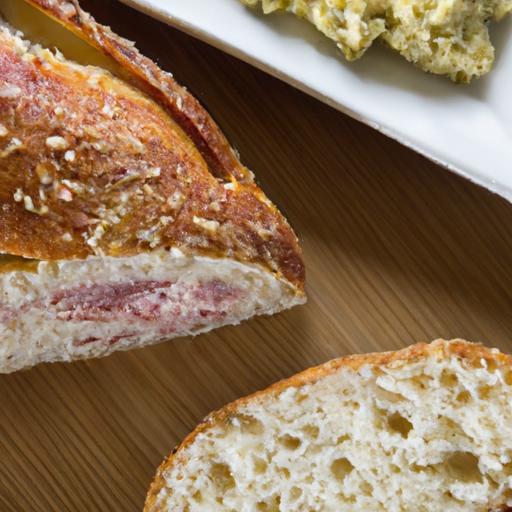
Slice this aromatic loaf piping warm and pair with high-quality butter or a drizzle of truffle oil. Garnish with fresh sprigs of rosemary or a sprinkle of flaky sea salt for visual appeal and flavor punch. It also makes a superb base for open-faced sandwiches topped with roasted vegetables, goat cheese, or smoked salmon.
| Nutritional Info (Per Serving) | Calories | Protein | Carbohydrates | Fat |
|---|---|---|---|---|
| Classic Yeasted Bread | 180 kcal | 6g | 36g | 3g |

Expand your culinary horizons with more innovative yeast recipes by exploring our guide on fermentation techniques. For an in-depth scientific peek into yeast biology, visit ScienceDaily’s yeast research article.
Q&A
Q&A: Unlocking Yeast – Creative Uses for Your Bag of Magic
Q1: What exactly makes yeast the “magic” ingredient in baking?
A1: Yeast is like a tiny alchemist living in your pantry. It’s a living microorganism that feeds on sugars and releases carbon dioxide gas and alcohol in the process. This natural fermentation causes dough to rise, creating that irresistible fluffy texture and distinctive aroma in breads and pastries. It’s truly magic in action!
Q2: Beyond baking bread, what are some creative ways to use yeast?
A2: Yeast’s talents extend far beyond the loaf. You can use it to craft homemade pizza dough, fluffy pancakes, and even in brewing your own beer or kombucha at home. Adventure further by experimenting with yeast in fermented condiments like sourdough starter crackers, or try your hand at making yeast-leavened desserts like babka or cinnamon rolls.
Q3: Can yeast be used in savory dishes, or is it just for sweet treats?
A3: Absolutely! Yeast shines in savory realms too. It’s a key player in rye breads, garlic knots, and focaccia sprinkled with sea salt and herbs. Nutritional yeast, a deactivated form, adds a cheesy, umami kick to sauces, soups, and even popcorn – perfect for vegan cooking.
Q4: What are some tips for keeping yeast happy and active?
A4: Yeast prefers warm but not hot environments-think body temperature, around 98°F (37°C)-and a bit of sugar to feast on. Avoid water that’s scalding, as it can kill your yeast. Keep it stored in a cool, dry place or in the fridge to extend its life. If you’re unsure whether your yeast is still lively, proof it first by mixing it with warm water and a pinch of sugar; bubbles and foam mean it’s ready to perform.
Q5: How can I experiment with different types of yeast?
A5: Dive into the world of yeast varieties! Instant yeast works quickly and is super convenient, while active dry yeast needs a bit of awakening but lends depth of flavor. Wild yeast captured through sourdough starters brings unique, complex tastes and aromas reflecting your local environment. Compare and contrast them in your recipes to discover your personal favorite magic maker.
Q6: Is it possible to use yeast for non-food projects?
A6: Yeast’s magic isn’t limited to the kitchen. In science classrooms, it’s often used in fermentation experiments to teach biology concepts. Some creative hobbyists even harness yeast fermentation to produce bioethanol for small-scale renewable energy projects. While less culinary, these endeavors prove yeast’s versatility beyond dough.
Q7: What’s the best way to “unlock” the full potential of yeast in everyday cooking?
A7: Start by embracing patience and curiosity. Yeast works best when given time to do its dance. Slow rises enhance flavor and texture. Experiment with different flours, hydration levels, and fermentation times. Most importantly, treat your yeast as a living friend-listen to how your dough feels and looks rather than strictly following every measurement. This intuitive approach will unlock the true magic hiding in your bag of yeast.
In Conclusion
As the last sparkles of yeast activate in your recipes, remember that this tiny packet holds more than just the power to leaven bread – it’s a gateway to culinary creativity and beyond. Whether you’re crafting rustic loaves, bubbling up homemade beer, or experimenting with innovative beauty treatments, unlocking the full potential of your yeast transforms mere ingredients into magic. So next time you reach for that humble bag, let your imagination rise alongside your dough, and watch as ordinary moments turn extraordinary with a little yeast-powered wonder. Happy creating!