
In the bustling heart of every kitchen, the art of food preservation is a dance between freshness and flavor-a delicate balance that can elevate your meals or, if misstepped, lead to unexpected disappointment. From freezer frost fiascos to fridge spoilage slip-ups, even seasoned cooks can fall into common traps that sabotage their hard-earned groceries. In this article, we’ll uncover the top food preservation blunders that lurk behind those innocent-looking leftovers and pantry staples. Prepare to learn what not to do, so your food stays fresher, safer, and more delicious-because great cooking begins long before the first sizzle hits the pan.
Common Mistakes That Lead to Premature Food Spoilage
Top Food Preservation Blunders: What Not to Do in Your Kitchen is a crucial guide for anyone passionate about extending the life of their homemade goods and pantry staples. Whether you’re new to food preservation or a seasoned pro, understanding how to avoid pitfalls like improper canning, sealing errors, freezer burn, and cross-contamination can save your hard work-and your health.
Prep and Cook Time
Preparation: Varies based on method, typically 10-20 minutes to prep supplies.
Processing Time: 20-60 minutes, depending on technique.
Yield
One batch of preserved food, typically 4-6 jars or freezer-safe containers.
Difficulty Level
Medium – requires some familiarity with preservation basics and attention to detail.
Ingredients
- Fresh produce or protein, thoroughly washed and prepared
- Preservation medium: vinegar, salt, sugar, or brine solutions depending on recipe
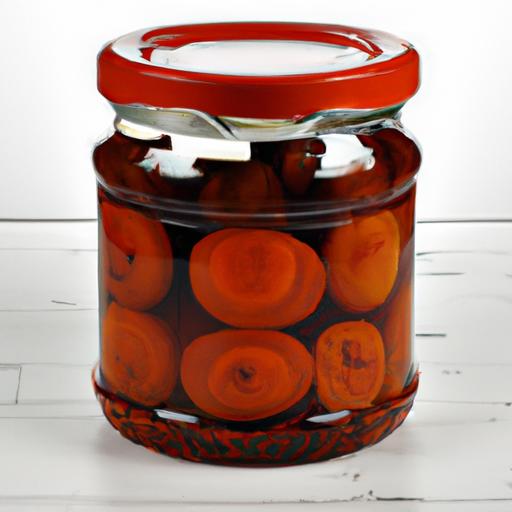
- Clean, sterilized jars or freezer bags
- Proper sealing lids and sealing equipment (canner or vacuum sealer)
- Labels and permanent marker for dating and identification
Instructions
- Prepare your ingredients by washing and trimming any damaged parts. Use only the freshest, blemish-free produce or proteins to minimize spoilage risk.
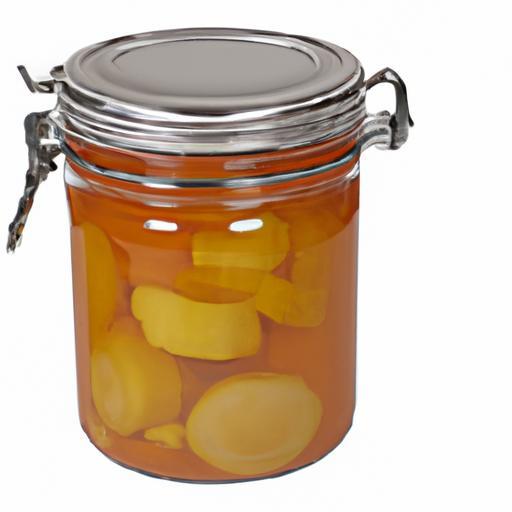
- Sterilize all jars and lids by boiling in water for 10 minutes. Dry lids separately to maintain the seal’s integrity.
- Fill jars or freezer bags carefully, leaving proper headspace tailored to your preservation method – usually ½ inch for canning and minimal for freezing.
- Remove air bubbles from jars using a plastic spatula or chopstick; for freezer bags, press out excess air before sealing. This prevents oxidation and microbial growth.
- Seal jars immediately after filling. For canning, use a water bath or pressure canner as directed, heating jars to recommended temperatures to kill bacteria. For freezing, vacuum-seal bags or use airtight containers.
- Label each container with the food item and preservation date. Store jars upright in a cool, dark place; freeze bags in the coldest part of your freezer.
- Follow safety guidelines for your specific preservation method. As per the USDA [Food Safety and Inspection Service](https://www.fsis.usda.gov/food-safety), improper canning or sealing can create dangerous anaerobic environments where harmful bacteria thrive.
Tips for Success
- Never reuse canning lids; always use new lids that guarantee a perfect seal.
- Use BPA-free containers or glass jars to prevent chemical leaching.
- Store preserved items away from fluctuating temperatures to avoid spoilage.
- Consistently sanitize work surfaces and utensils to prevent cross-contamination. Separate raw and cooked foods completely during prep and storage.
- Use heavy-duty freezer bags and double-bag delicate foods prone to freezer burn-remove as much air as possible.
- When in doubt, test seals by pressing the lid’s center after cooling; a properly sealed jar will not flex.
- Maintain a clear inventory of stored foods with rotation systems: “first in, first out” to use older items quickly.
Serving Suggestions
Properly preserved foods can be transformed into vibrant, flavorful dishes. For example, crisp pickled vegetables can complement smoky grilled meats, while home-canned tomatoes add richness to pasta sauces and stews. Frozen berry blends make refreshing smoothies or beautiful compotes. Always rinse canned pickles or preserves before use if the brine is very strong. Garnish dishes with freshly chopped herbs or a drizzle of quality olive oil for a restaurant-quality finish at home.

| Nutrient | Per Serving (1 Jar) |
|---|---|
| Calories | 80 |
| Protein | 2g |
| Carbohydrates | 18g |
| Fat | 0g |
For a comprehensive guide on safe home canning techniques and troubleshooting, check out our detailed Complete Guide to Home Canning.
Q&A
Q&A: Top Food Preservation Blunders – What Not to Do in Your Kitchen
Q1: Why is freezing leftovers in a hot container a bad idea?
A1: Placing hot food directly into the freezer is like setting off a tiny kitchen meltdown. The heat raises the freezer’s internal temperature, threatening other stored foods and encouraging bacterial growth before everything chills down. Always cool leftovers to room temperature first, but don’t let them linger too long-within two hours is your safety window!
Q2: Can I just store cooked rice straight in the fridge without cooling it?
A2: Nope! Cooked rice is a notorious culprit for food poisoning if not cooled quickly. Leaving it warm in the fridge encourages Bacillus cereus bacteria to multiply. Spread the rice out on a shallow pan, cool it fast, then seal it tightly before refrigeration.
Q3: Is it okay to refreeze thawed meat?
A3: Refreezing meat can be a slippery slope. If the meat was thawed in the fridge and never left out at room temperature, it’s generally safe to refreeze-but quality takes a hit with freezer burn and texture loss. Avoid repeated freeze-thaw cycles to keep your meat juicy and delicious.
Q4: What’s the problem with storing tomatoes in the fridge?
A4: Tomatoes get cold feet in the fridge-literally! Refrigeration stunts the flavor development and can make them mealy or mushy. Keep tomatoes at room temperature, away from direct sunlight, to preserve their vibrant taste and texture.
Q5: How harmful is it to store bread in the fridge?
A5: Bread hates the fridge almost as much as tomatoes do. The cold air dries it out quickly and speeds up the staling process. Instead, keep bread in a cool, dry place or freeze it for longer storage.
Q6: Why shouldn’t I keep eggs on the refrigerator door?
A6: The fridge door is a temperature rollercoaster! Frequent opening causes temperature swings that can shorten eggs’ shelf life and encourage bacteria growth. Store eggs inside the main body of the fridge, where temperatures are steadier.
Q7: Can leftover soups and stews sit out overnight before refrigeration?
A7: Playing it safe means no. Leaving soups or stews out overnight is an open invitation for bacteria to party. Cool them down quickly and refrigerate within two hours to keep your meals safe and scrumptious.
Q8: Is it okay to store fresh herbs in water like flowers?
A8: Yes, but with a twist! Fresh herbs like parsley, cilantro, or basil thrive when trimmed and placed in a jar with fresh water, then covered loosely with a plastic bag in the fridge-like a mini herb bouquet. This little trick keeps them vibrant longer than just wrapped in a damp paper towel.
Q9: What’s the risk of overstuffing the fridge?
A9: A packed fridge restricts air circulation, making it harder to maintain consistent temperatures. Warm spots can form, promoting localized spoilage. Keep some breathing room for optimum freshness and prevent your perishables from becoming a microbial jungle gym.
Q10: Why is labeling and dating stored food important?
A10: Without labels, your fridge becomes a time capsule of mystery meals. Dating your containers tracks freshness, helping you avoid the “Is this still safe?” game and cut down on unnecessary waste. A little note goes a long way toward healthier habits and safer eating!
Avoid these classic preservation faux pas, and your kitchen will thank you with fresher flavors, fewer food scraps, and a happy, healthy household. Preservation perfection is within your reach-one smart step at a time!
Future Outlook
As you navigate the vibrant world of flavors and textures in your kitchen, remember that preserving food is both an art and a science. Avoiding these common preservation blunders ensures your dishes remain as fresh and delicious as the day they were first crafted. By mastering proper techniques and staying vigilant against pitfalls, you safeguard not only the integrity of your ingredients but also the health of everyone at your table. So, next time you reach for the freezer or tuck away leftovers, let knowledge be your secret ingredient-transforming potential mishaps into culinary triumphs. Here’s to preserving perfection, one bite at a time!